Events
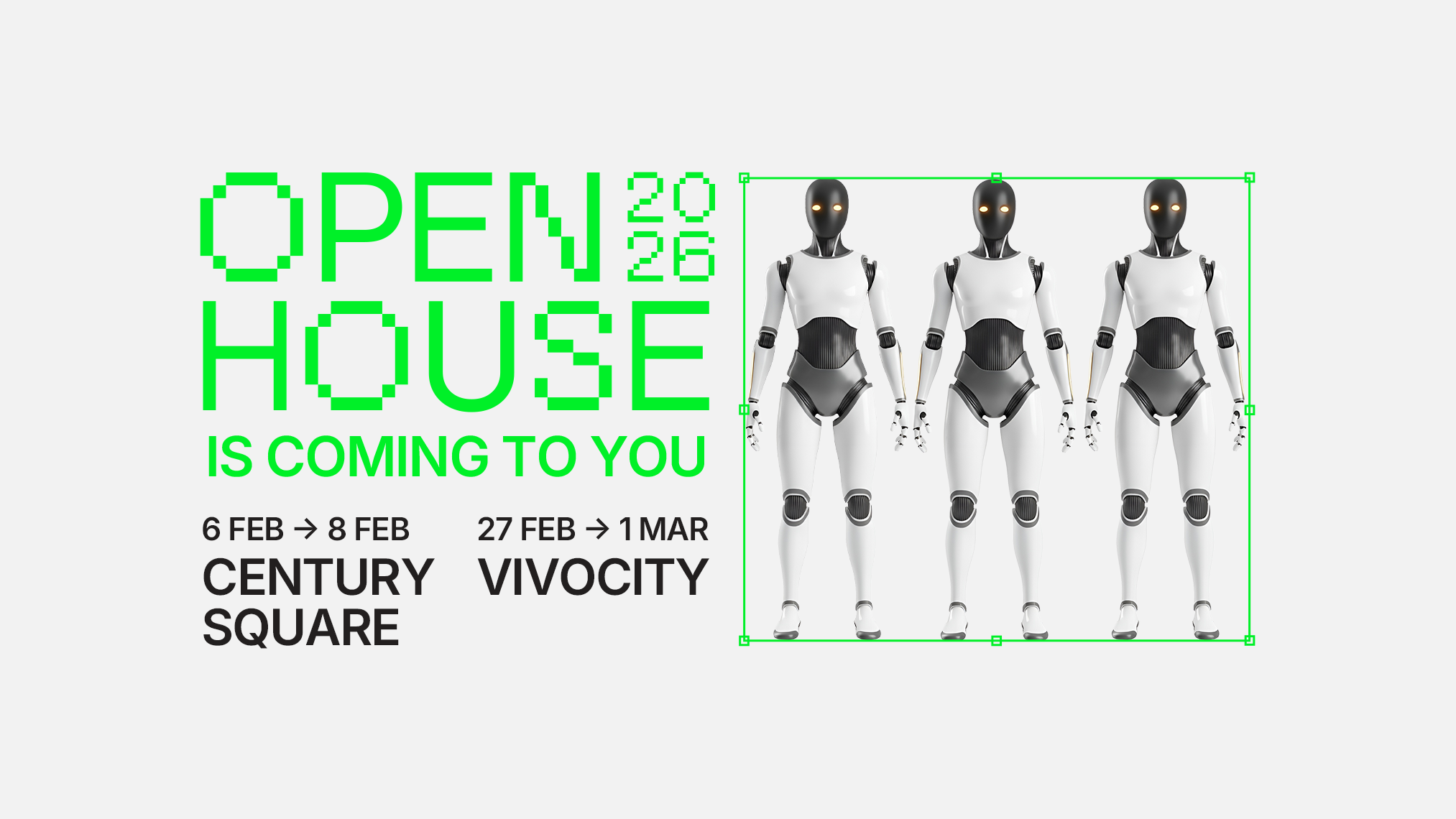
SUTD Open House 2026
SUTD Open House 2026 is coming to you supercharged—experience Design·AI in action with unique, immersive experiences at two locations and online. See how Design·AI powers creativity and drives breakthroughs—with AI as your creative partner and innovation catalyst.

From prevention to treatment: Designing personalised healthcare operations through analytics
ESD Research Seminar by Wang Xiaodong (Frank) – Healthcare extends beyond the clinical setting; it is a complex system where patients navigate interconnected stages of prevention, diagnosis, and treatment. In this talk, Frank provides an overview of his research, which examines healthcare systems through the lens of the patient journey.

Workshop on Emerging AI Technologies for Music (EAIM 2026)
The Audio, Music, and AI (AMAAI) Lab at ISTD proudly presents its inaugural workshop on Emerging AI Technologies for Music (EAIM 2026), to be held as part of the AAAI-26 Conference at Singapore EXPO from 26 to 27 January 2026.
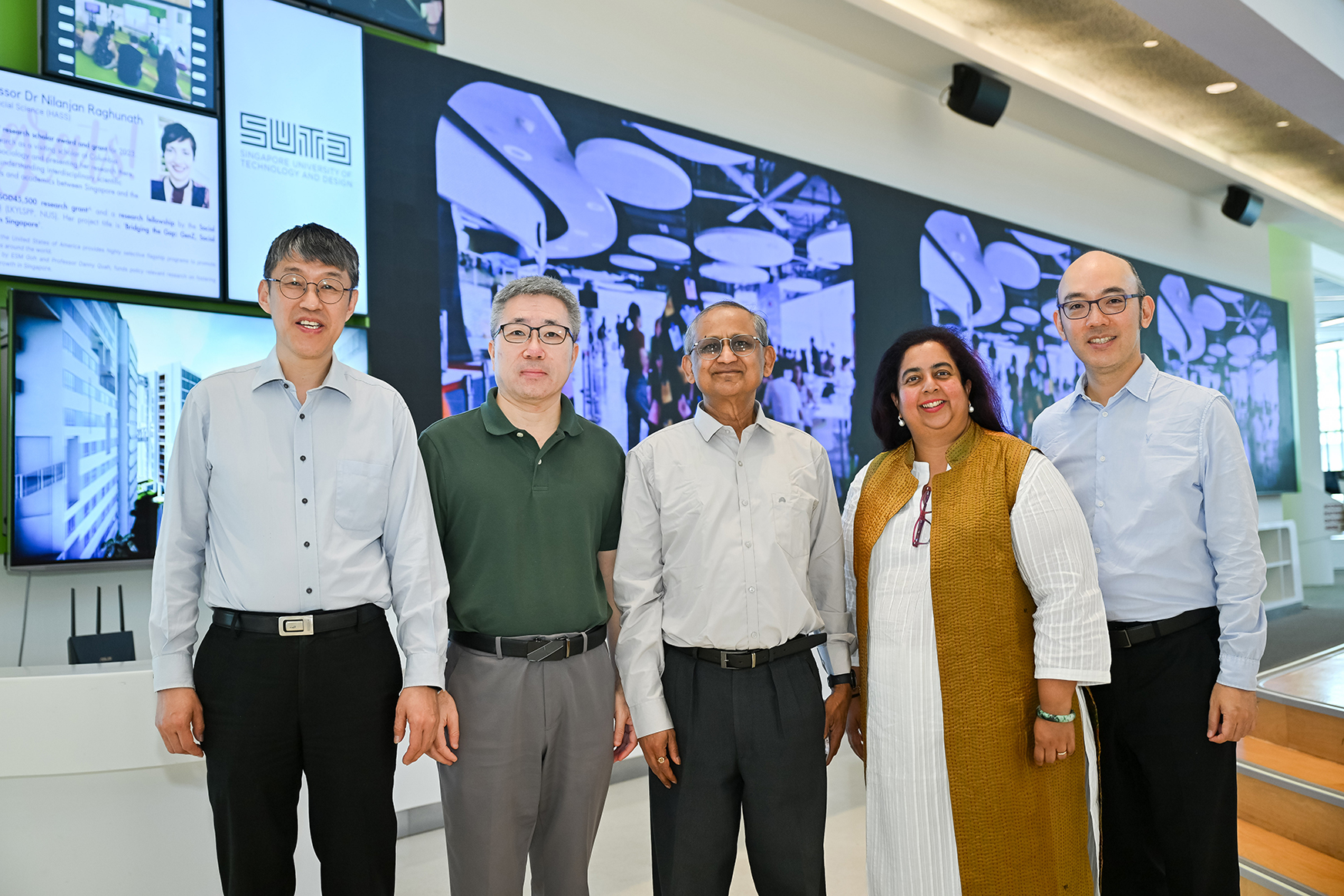
SUTD AI Research Day 2026
Organised by the ISTD Pillar, this flagship event is dedicated to exploring the frontiers of Artificial Intelligence. This year’s edition focused on the transition of AI from laboratory experimentation to resilient, autonomous systems that are ethically aligned and clinically impactful.

Adaptive and robust optimisation algorithms for large scale machine learning
ESD Research Seminar by Ali Kavis – This seminar will investigate the shortcomings of classical approaches and explore how data-driven, adaptive mechanisms could help in theory and application.
Self-creating random walks for decentralised learning under Pac-Man attacks
ESD Research Seminar by Xingran Chen – In this seminar, we investigate an adversarial threat termed the “Pac-Man” attack, in which a malicious node probabilistically terminates any random walk (RW) that visits it.
Energy-aware edge AI accelerator design for applications from CNNs to LLMs
ISTD PhD Oral Defence Seminar by Dongrui Li – The dissertation investigates four AI accelerator design directions, each validated through tapeout prototypes. Spiking Neural Network (SNN) accelerators are explored with in network computing.
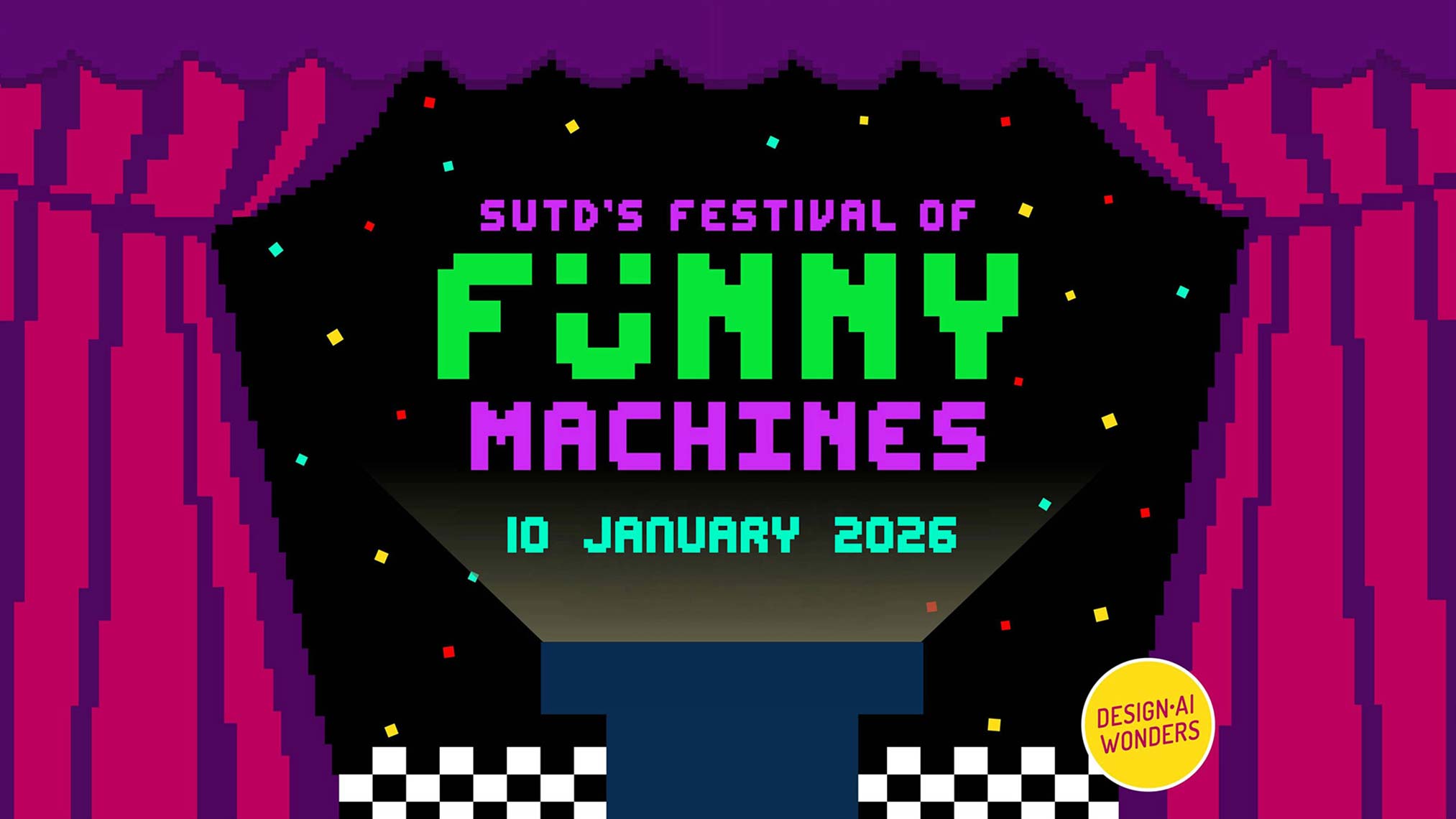
SUTD's Festival of Funny Machines
Join us for a full-day of celebration where design, humour, technology, and imagination collide. Featuring forums, hands-on workshops, live performances, and the grand finale of the Design∙AI Funny Machine Challenge.
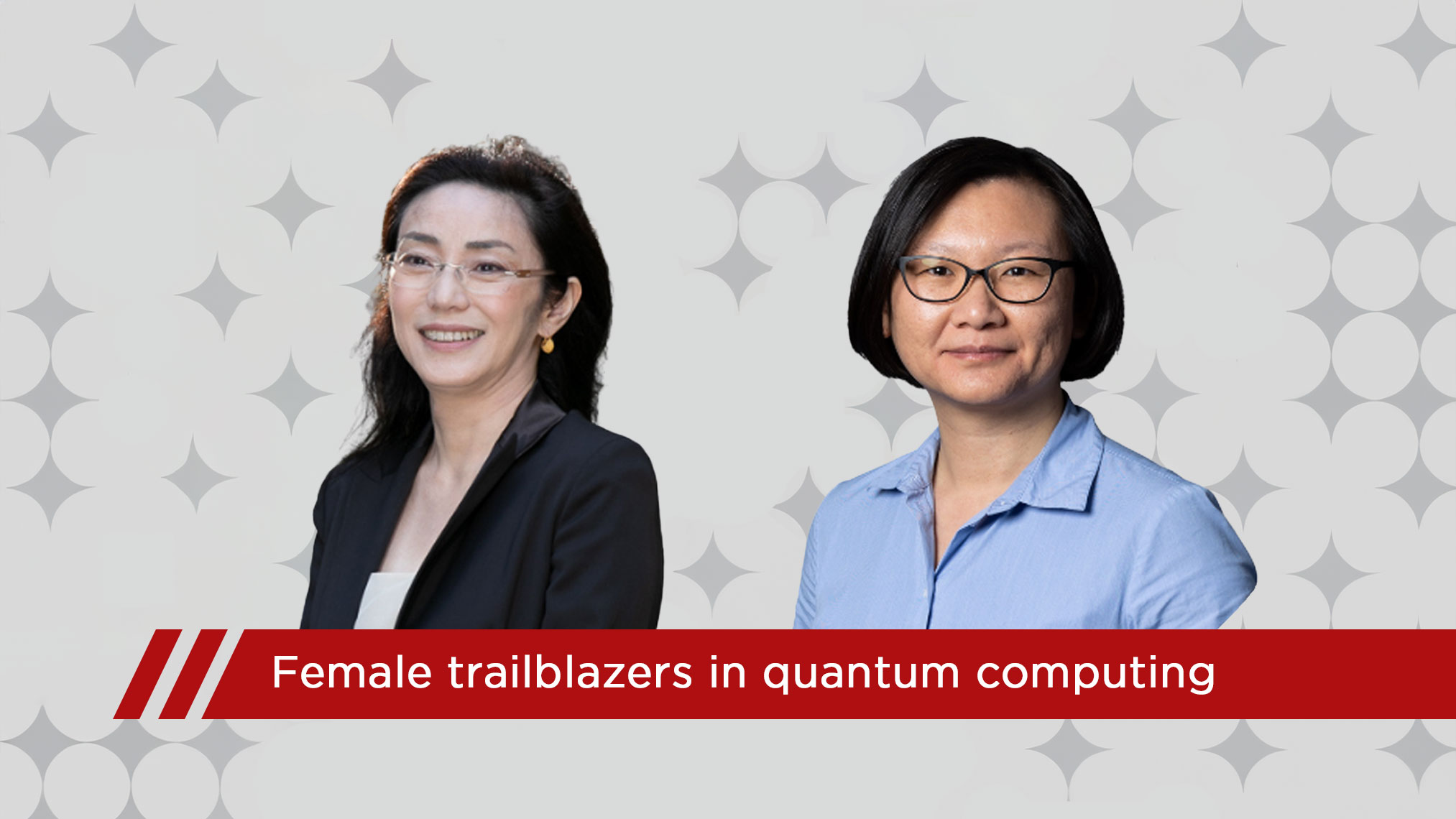
Transforming Ideas into Impact: High-Tech Leadership Across Academia and Industry
A fireside chat with Prof Kae Nemoto and Dr Patricia Lee—from campus to quantum leadership, hear their challenges, breakthroughs and the lessons that shaped their journey.
Dialogues with Leaders: Networking with Experts in Human-Centred Design
Dialogues with Leaders by Vishnu Hari – Vishnu will be sharing on his career path leading up to the founding of ego AI.