Events

Adaptive and robust optimisation algorithms for large scale machine learning
ESD Research Seminar by Ali Kavis – This seminar will investigate the shortcomings of classical approaches and explore how data-driven, adaptive mechanisms could help in theory and application.

Self-creating random walks for decentralised learning under Pac-Man attacks
ESD Research Seminar by Xingran Chen – In this seminar, we investigate an adversarial threat termed the “Pac-Man” attack, in which a malicious node probabilistically terminates any random walk (RW) that visits it.
Energy-aware edge AI accelerator design for applications from CNNs to LLMs
ISTD PhD Oral Defence Seminar by Dongrui Li – The dissertation investigates four AI accelerator design directions, each validated through tapeout prototypes. Spiking Neural Network (SNN) accelerators are explored with in network computing.
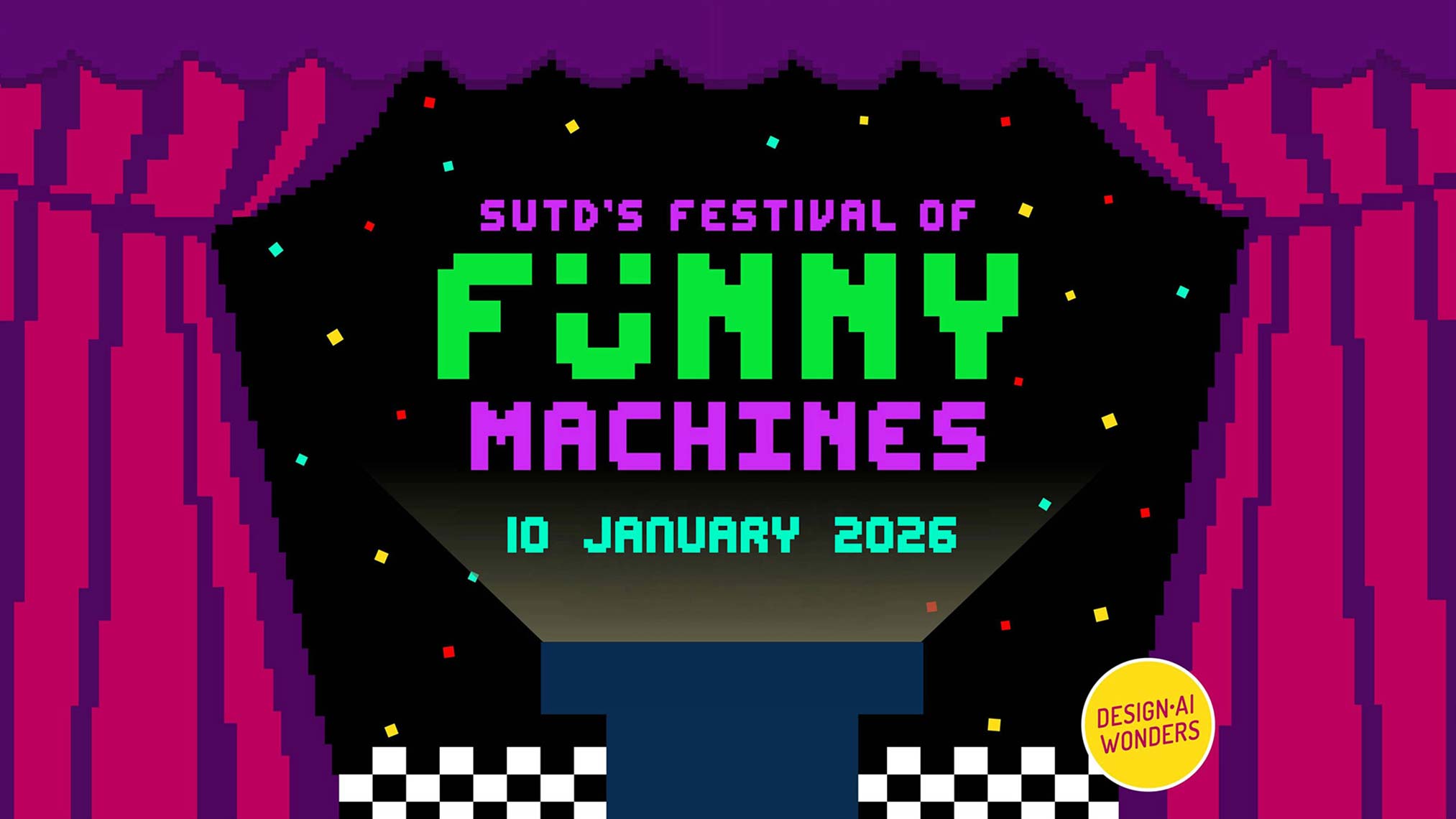
SUTD's Festival of Funny Machines
Join us for a full-day of celebration where design, humour, technology, and imagination collide. Featuring forums, hands-on workshops, live performances, and the grand finale of the Design∙AI Funny Machine Challenge.
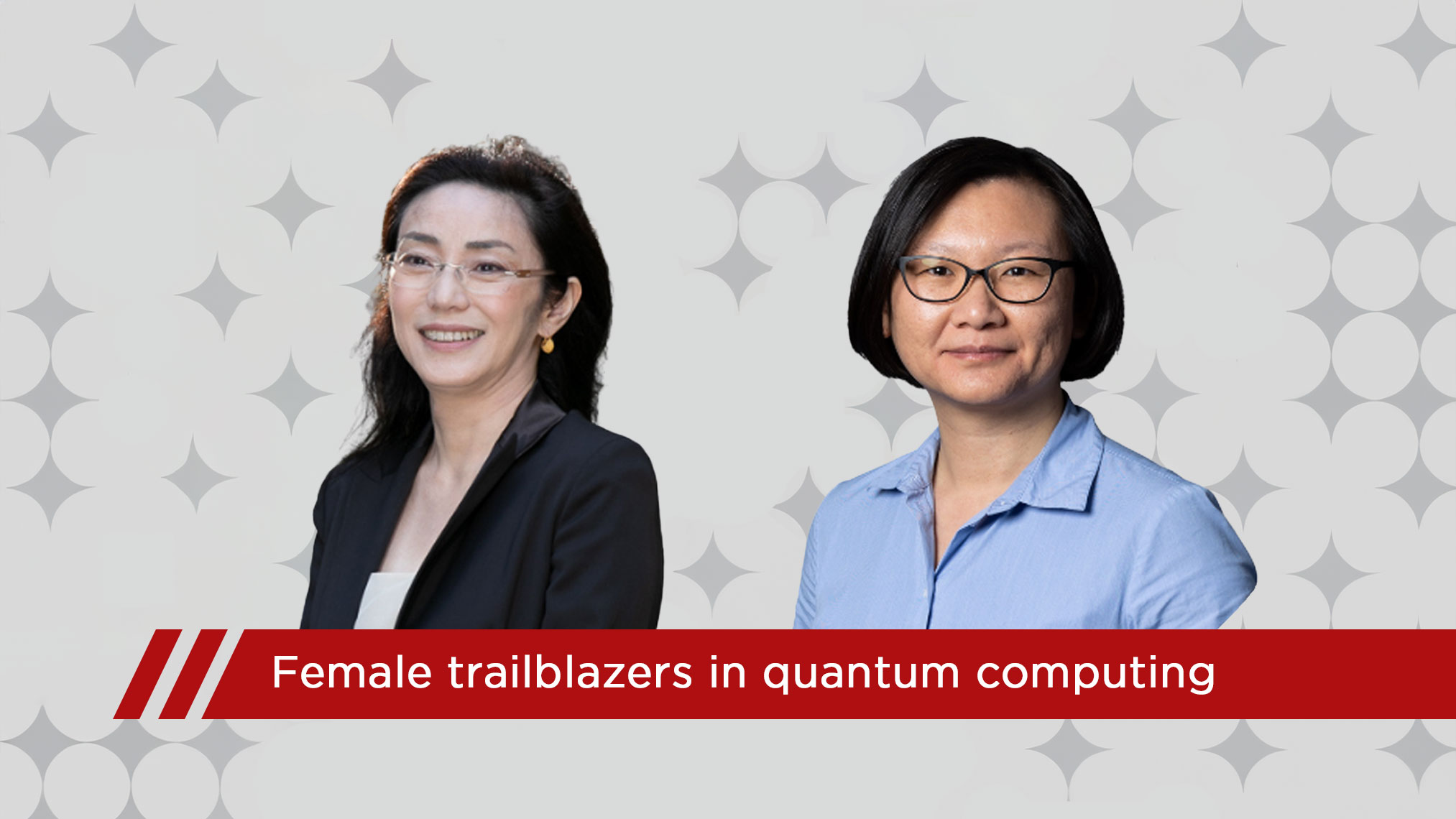
Transforming Ideas into Impact: High-Tech Leadership Across Academia and Industry
A fireside chat with Prof Kae Nemoto and Dr Patricia Lee—from campus to quantum leadership, hear their challenges, breakthroughs and the lessons that shaped their journey.
Dialogues with Leaders: Networking with Experts in Human-Centred Design
Dialogues with Leaders by Vishnu Hari – Vishnu will be sharing on his career path leading up to the founding of ego AI.

Smart EV charging management in modern power systems: The transition from loads to grid assets
ESD Research Seminar by Can Berk Saner (aka John) – This talk examines accommodating large-scale EV penetration by managing charging and converting EVs from demanding loads into useful grid assets.

Befriending the quantum computing disruption: Lessons from double-bracket quantum algorithms
ESD Research Seminar by Marek Gluza – Dr Marek Gluza will explore what is likely to make up the disruption caused by quantum computing, how it will come about and when (or actually whether) it will happen.
Think. Play. Design – turning ideas into meaningful game art
ISTD COIL Seminar by Fernanders Koak – In this 45-minute session, Lead Concept Artist Fernanders Koak will introduce the fundamentals of Design Thinking from identifying player needs, defining problems, and ideating gameplay mechanics, to rapid prototyping and creative iteration.

Cascading failures in power grids and their containment
ESD Research Seminar by Bogdan Cautis – What if cascading failures in power grids and online information diffusion in the blogosphere are governed by similar viral diffusion models?