News
Quantum Tunnelling Transistor Shatters the 60-Millivolt Barrier Holding Back Computer Chips
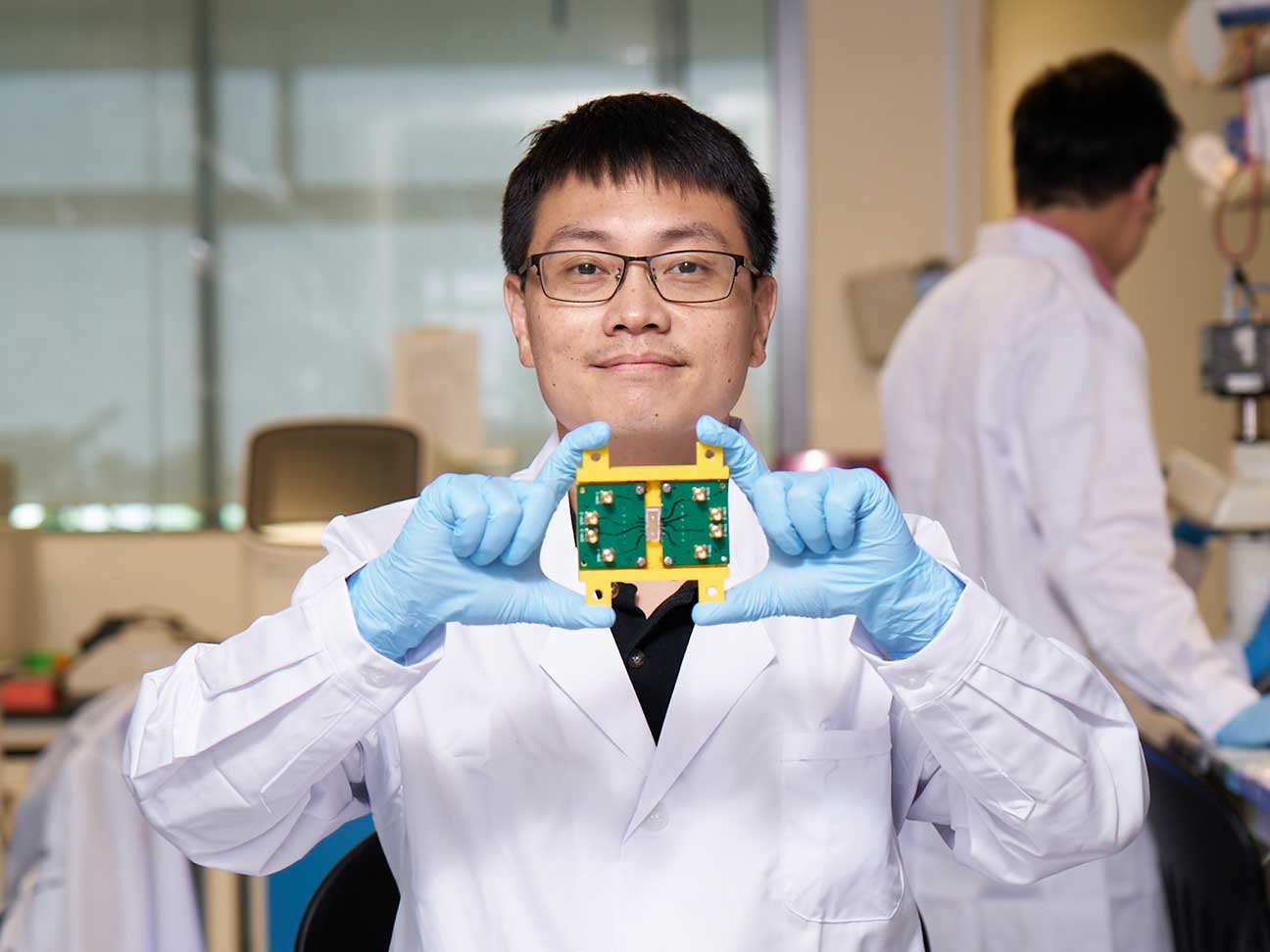
SUTD Assistant Professor Ang Yee Sin contributed to the development of a quantum-tunnelling transistor that overcame a fundamental switching limit in conventional transistors, paving the way for more energy-efficient computer and AI chips.
In rain and darkness, how should self-driving cars trust their sensors?
SUTD Assistant Professor Zhao Na and team developed new methods to help self-driving cars better perceive their surroundings in challenging conditions.
Why not exercise more? People need other people to sustain healthy living habits
In this opinion piece by LKYCIC’s Dr Belinda Yuen, Francine Chan and Dr Xin Yang, they discuss why health programmes must move towards practical skills, coaching and follow-up that help and encourage residents to sustain healthy behaviour in daily life.
From ‘red ocean’ to ‘blue ocean’: Why Singaporean firms are exploring Nanning to enter China’s market
SUTD Research Assistant Professor Samuel Chng urged Singaporeans to scrutinise investment opportunities carefully, verify business claims and seek independent assessments, cautioning that even promising markets could contain unsound ventures.
Researcher wins award for developing AI technology to help students learn
SUTD researcher and PhD student Nizam Kadir, a Seed Award 2026 recipient, studies machine pedagogical intelligence to enable AI to tailor teaching to students’ needs.
Researchers Decode up to 1,023 Qubits Using Rank Decomposition
SUTD Assistant Professor Feng Pan co-developed a new algorithm that enabled faster quantum error-correction decoding and demonstrated its capabilities on codes containing up to 1,023 qubits.
Outfoxing artificial intelligence: The great human-AI face-off
In an emerging economy underpinned by tech, the age-old pursuit of academic mastery is no longer enough. SUTD President Prof Phoon Kok Kwang shares his thoughts in this opinion piece.
Reimagining the university for the AI age
As the world’s first Design·AI university, the Singapore University of Technology and Design is embedding AI across education and research to prepare graduates for a rapidly changing world.
Younger researchers studying pressing labour issues get more support from NTUC
Dr Sarah Chan and Dr Suhaila Binte Zainal Shah from LKYCIC join NTUC’s newly established Associate Researchers Circle, an initiative that supports emerging labour researchers and strengthens Singapore’s labour research ecosystem through collaboration, mentorship, and policy-relevant research.
How BT has built a legacy of partnerships recognising success in Singapore’s business scene
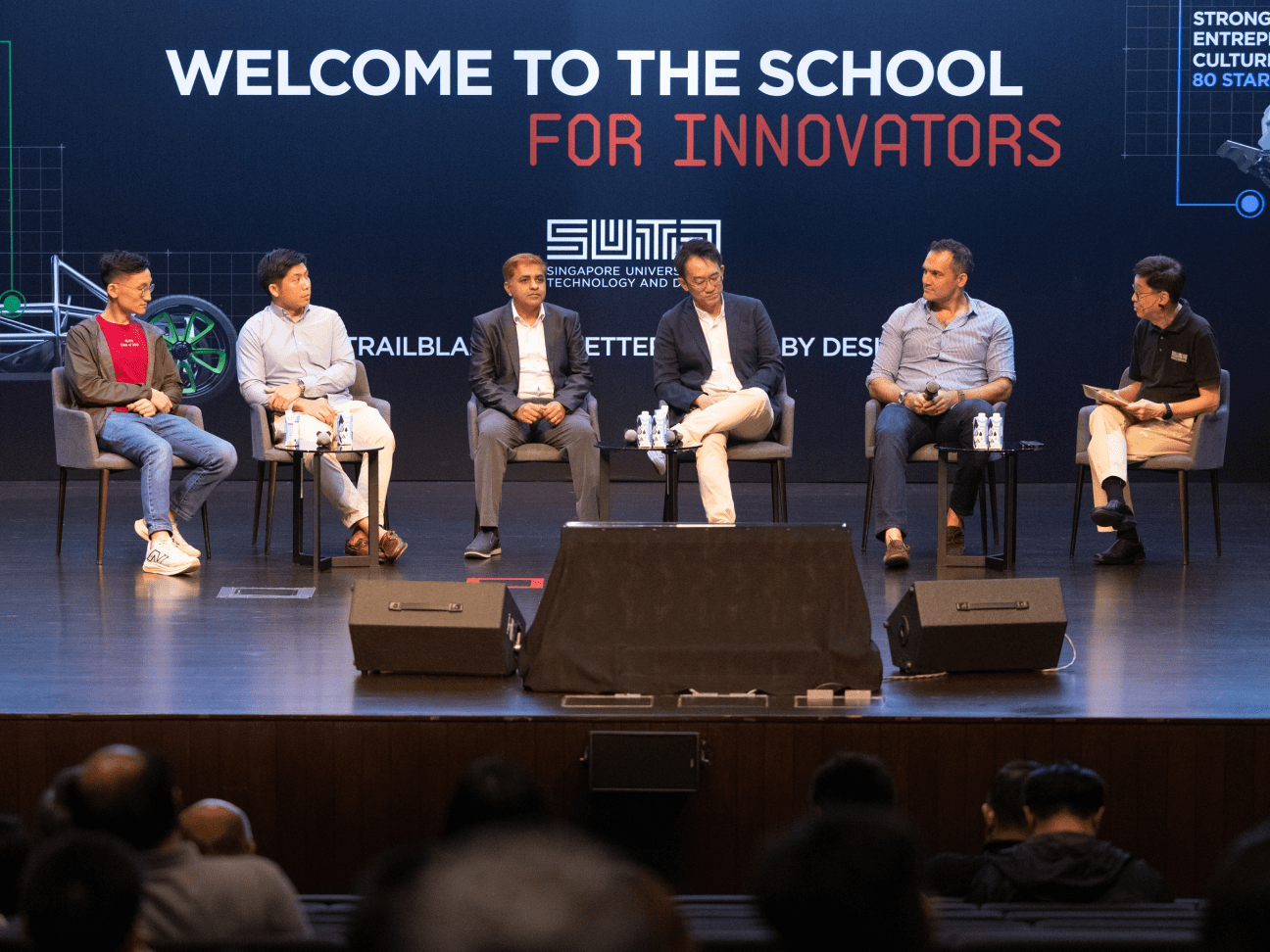
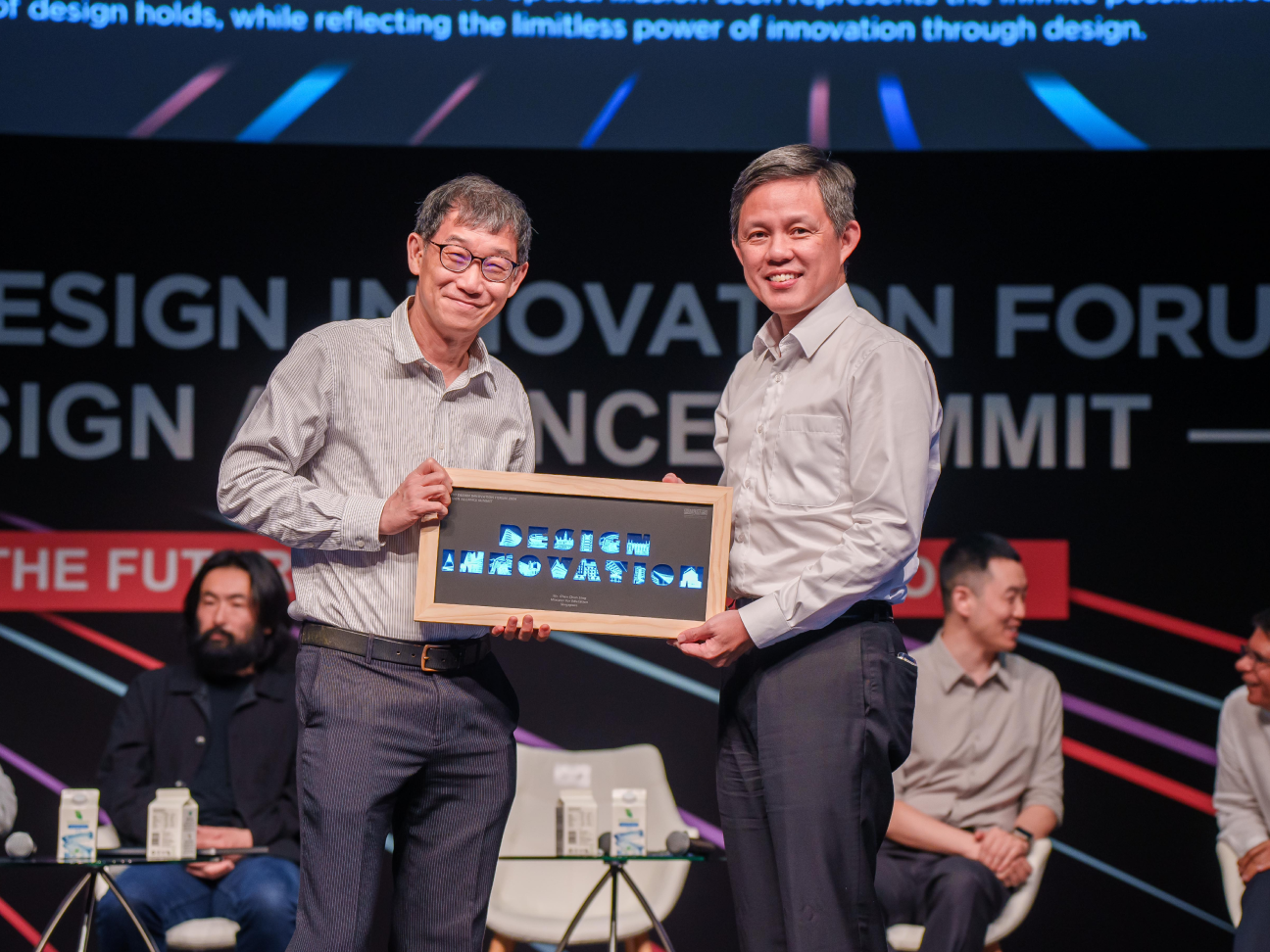
Jointly organised by SUTD and BT, the Design AI and Tech Awards held its inaugural ceremony May 2025. SUTD Deputy President Professor Tai Lee Siang highlighted how the Awards recognised innovators combining design and AI to solve business challenges.