
Faculty
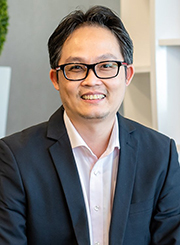 Ang Lay Kee, Ricky Associate Provost, International Relations, and Ng Teng Fong Chair Professor for SUTD-ZJU IDEA PhD, University of Michigan |
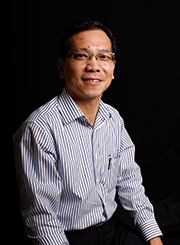 Pey Kin Leong Associate Provost, Digital Learning PhD, National University of Singapore |
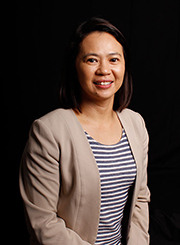 Low Hong Yee Head of Pillar (EPD), Associate Professor (EPD), Co-Advisor of Dyson-SUTD Innovation Studio PhD, Case Western Reserve University |
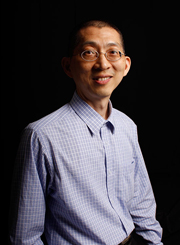 Yeo Kiat Seng Advisor for Global Partnerships PhD, Nanyang Technological University |
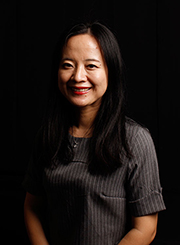 Yang Hui Ying Programme Director (NEED), Professor |
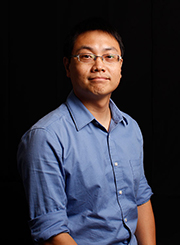 Ye Ai Associate Professor PhD, Old Dominion University |
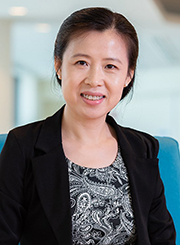 Cai Kui Associate Professor JointPhD, Technical University of Eindhoven, The Netherlands & National University of Singapore |
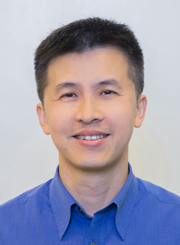 Ngai-Man (Man) Cheung Associate Head of Pillar (Education, ISTD), Associate Professor PhD, University of Southern California |
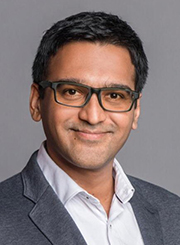 Mohan Rajesh Elara Associate Professor PhD, Nanyang Technological University |
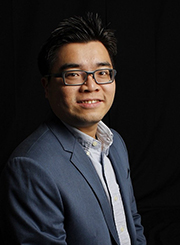 Foong Shaohui Associate Head of Pillar (EPD), Co-Director for Dyson-SUTD Innovation Studio, and Associate Professor PhD, Georgia Institute of Technology |
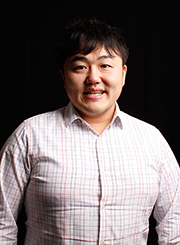 Michinao Hashimoto Associate Professor PhD, Harvard University |
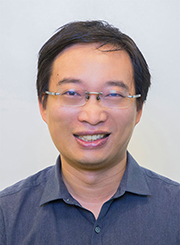 Lu Wei Associate Head of Pillar (Research, ISTD), Associate Professor PhD, Singapore-MIT Alliance, National University of Singapore |
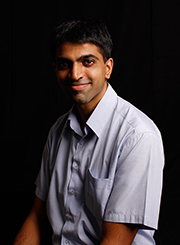 Nagarajan Raghavan Associate Professor PhD, Nanyang Technological University |
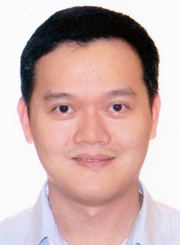 Tan U-Xuan Programme Director, SUTD Technology Enterprenuership Programme (STEP), Associate Professor PhD, Nanyang Technological University |
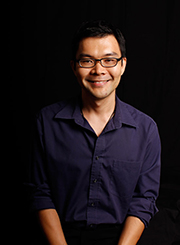 Joel Yang Associate Professor PhD, Massachusetts Institute of Technology |
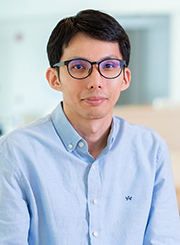 Desmond Loke Assistant Professor PhD, National University of Singapore |
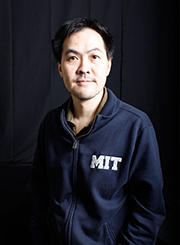 Teo Tee Hui Senior Lecturer PhD, Nanyang Technological University |
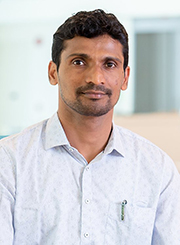 Shubhakar Kalya Senior Lecturer PhD, Nanyang Technological University |
Research Facilities
Under the NEED programme, students will have access to cutting-edge research facilities in SUTD such as the Electronic Design Laboratory (EDL), an electronic design and innovation hub which supports research and design activities in the broad areas of electronic circuits and systems.
The EDL houses a high-performance wire bonding machine, a wedge bonder, a probe station, an oscilloscope, a spectrum analyzer and several workstations with EDA software as well as test and measuring equipment.
What's next
Find out more
Frequently asked questions
What is STEM-Unity?
STEM-Unity is a six-week experiential innovation programme by SUTD where students work in teams to solve real-world community challenges using SUTD’s Design·AI approach. Students learn human-centred design, design thinking, applied AI and prototyping, and turn their ideas into practical technology-enabled solutions.
How much are the programme fees?
The programme fee is S$1,000 per student before GST, or S$1,090 inclusive of 9% GST. Payment is made upon application.
How long is the programme?
The programme runs over six weeks, divided into two stages:
- Stage A – Learn & Ideate: Weeks 1–3
- Stage B – Build & Realise: Weeks 4–6
For a detailed breakdown of each stage, please refer to the “Programme run” page on our webpage.
How is the programme conducted? Is it in-person or online?
STEM-Unity uses a blended format combining online learning and in-person facilitation. Students will attend online consultation sessions during the programme with SUTD mentors. SUTD will facilitate the kick-off, pitching, and the Final Showcase in-person during the programme.
What will students learn?
Students will learn:
- Human-centred design and design thinking
- How to identify and solve real community problems
- Applied AI for ideation and prototype development
- Digital and physical prototyping
- Teamwork and collaboration
- Pitching and presentation
- Testing, feedback and iterative improvement
The programme is designed to develop creativity, empathy, critical thinking, communication, AI fluency and problem-solving skills.
Can’t find what you need?