


Highlights
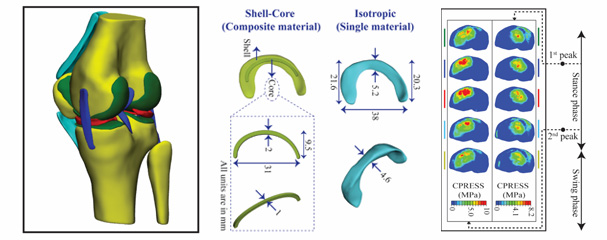
SUTD-led research sets the groundwork for patient-specific 3D printed meniscus
SUTD together with the University of Miyazaki developed a novel methodology to provide non-invasive analysis of meniscal implants.
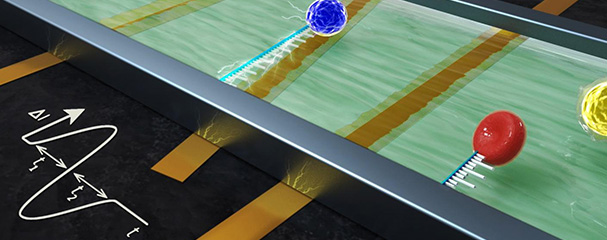
Simultaneous measurement of biophysical properties and position of single cells in a microdevice
SUTD research team led by Associate Prof Dr Ye Ai developed a microfluidic impedance flow cytometry device for the lateral position measurement of single cells and particles with a novel N-shaped electrode design.
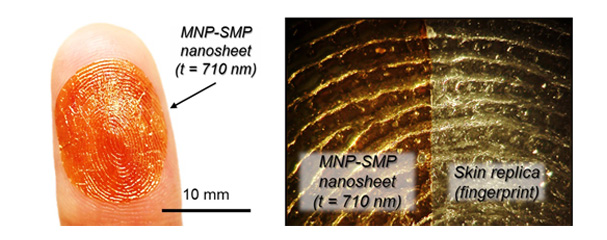
SUTD develops syringe-injectable, self-expandable and ultraconformable magnetic nanosheets for smart drug delivery
The ultrathin films are able to be injected using minimally-invasive syringe needles and can be used as a platform to deliver molecular and cellular drugs.
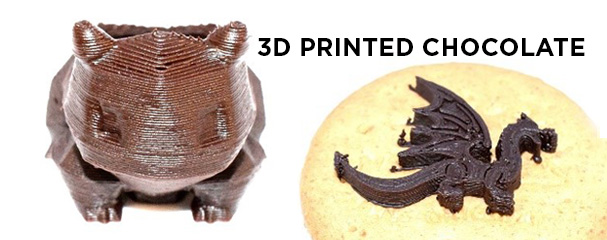
SUTD’s breakthrough research allows for 3D printed chocolate without temperature control
SUTD’s Soft Fluidics Lab developed a new approach, ‘Chocolate-based Ink 3D Printing’ (Ci3DP), to print chocolate-based inks at room temperature by cold extrusion.
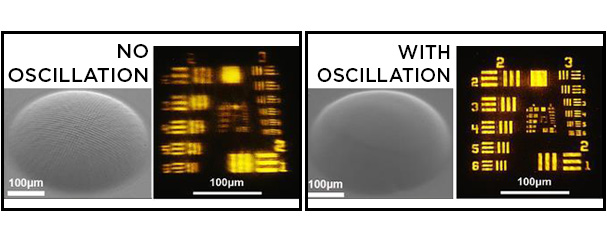
Oscillation assisted 3D printing renders ultrafast fabrication of microlens array
Researchers from SUTD and SUSTech proposed an approach which integrated oscillation-assisted DLP 3D printing with grayscale UV exposure to render an ultrafast and flexible fabrication of microlens arrays with optical surface smoothness.
Industry and University Awards – Engineering Product Development (EPD)
Industry and University Awards – Engineering Product Development (EPD)
EPD Awards – Engineering Product Development (EPD)
EPD Awards – Engineering Product Development (EPD)
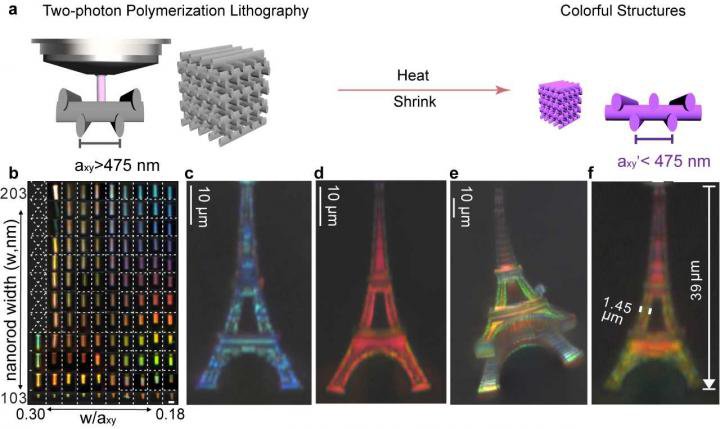
Structural colour printing of 3D microscale objects by shrinking photonic crystals
The 3D-printed model of the Eiffel Tower, measuring less than half the width of a human hair at 39 micrometers, exhibits multiple colours due to the manner in which light interacts with the nanostructures that hold up the model.
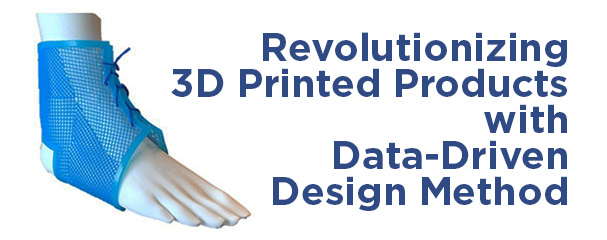
SUTD Researchers Revolutionize 3D Printed Products with Data-Driven Design Method
SUTD demonstrated this new cost-effective, data-driven approach by designing and 3D printing an ankle brace that has varying degrees of rigidity to provide both comfort and support for the user.
2019 National Winner of the James Dyson Award – Engineering Systems and Design (ESD)
2019 National Winner of the James Dyson Award – Engineering Systems and Design (ESD)