

Highlights

Featured Freshmore research: Felix Teo’s Analysing Poverty in Singapore
Our HASS Freshmore core course, ‘02.003 Social Science: Understanding Behaviour, Culture and Society’, begins with the foundational debates of political economy. We read selections from Adam Smith’s The Wealth of Nations, including his famous discussion of the origin of the division of labour and its role in promoting national wealth.
SUTD researchers discover that dual-language gameplay protects against cognitive ageing
SUTD researchers had set out to test the effect of bilingualism in mitigating cognitive decline in older adults. The team developed and conducted a novel game-based cognitive training programme and found that older adults who played in dual-language mode improved their cognitive skills more than those who played in single-language mode.
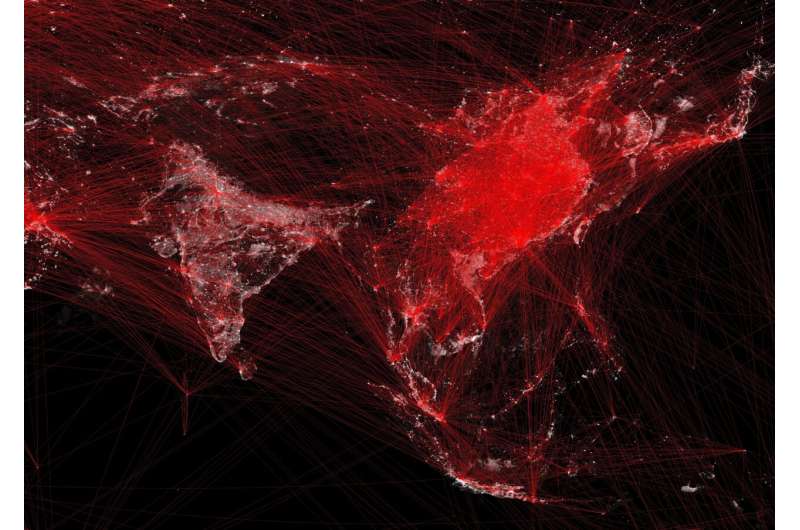
Economies take off with new airports: Research shows positive impacts of airport investments
Be it for work or vacation, chances are that many will have passed through an airport. In the largest cities, the airport presents to travelers the first glimpse of a new land and a reflection of the surrounding city. Beyond first impressions, airports stand as an important economic hub for local policymakers, with a continuous flow of goods and passengers fueling the urban economy.
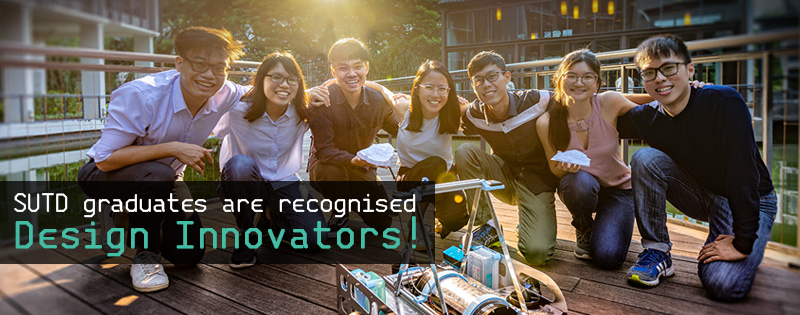
SUTD Breaks New Ground With New Design Accredited Degrees
Every single SUTD graduate from our undergraduate degree programmes is now recognised as being “design-trained”. This marks the first time all degrees in a university worldwide have been design accredited.
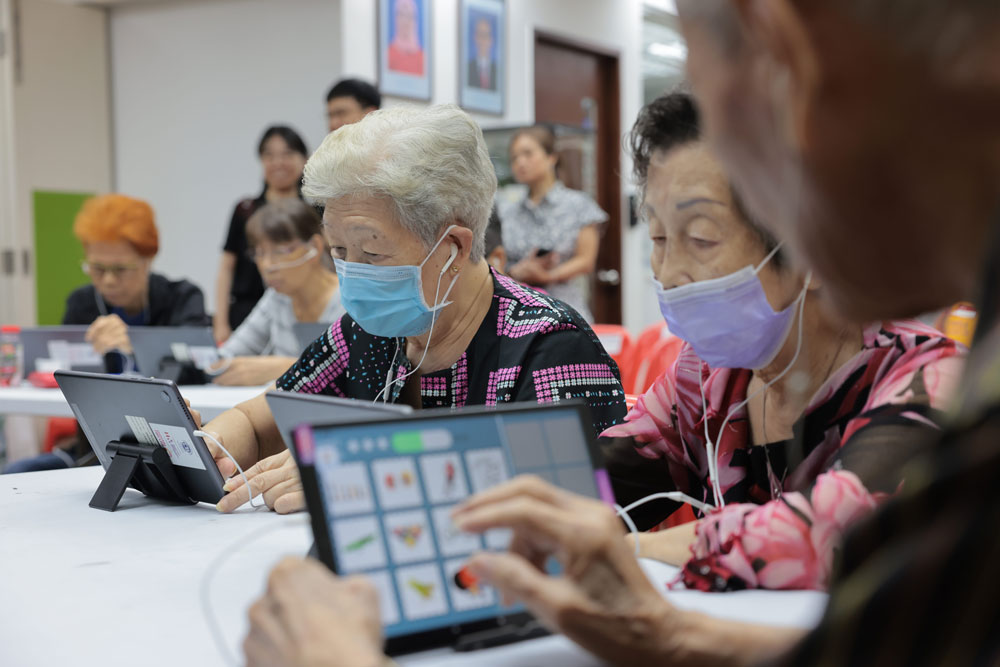
SUTD Launches World’s First Bilingual Game App Aimed at Staving Off Dementia
Move over Super Mario and Candy Crush, Ami is set to take the game world by storm – for the mature audiences at least. Ami operates on the scientific hypothesis that bilingualism or multilingualism has positive effects on the cognitive abilities of the elderly.

Bilingualism as a catalyst for social development in children
Through this research, Assoc Prof Yow aims to develop ideas on ways to embrace language diversity, with the ultimate goal of harnessing the advantages of bilingualism to improve the developmental and educational outcomes for children from all walks of life.

HASS announces co-winners for 2022 Digital Humanities Award
The Humanities, Arts, and Social Sciences (HASS) cluster at SUTD is pleased to announce the 2022 co-winners of the Digital Humanities Award.
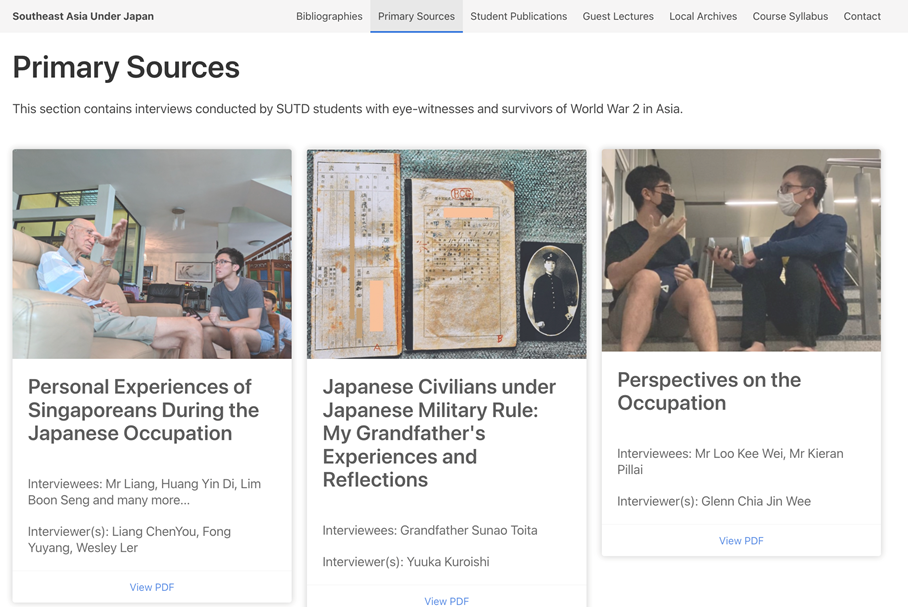
Students Han Xing Yi and Velusamy Sathia Kumar Ragul receive excellent review for their online repository project on the Japanese Army Occupation during World War II
As their final project for the course 02.126 Southeast Asia under Japan: Motives, Memoirs, and Media, students Han Xing Yi and Velusamy Sathia Kumar Ragul designed a voluminous online repository for primary and secondary sources related to studying the occupation of Southeast Asia by the Japanese Imperial Army during World War II.

How do children learn to trust an adult’s non-verbal cues?
In judging a communicator’s trustworthiness, children consider their track record of accuracy and degree of access to knowledge, find SUTD researchers.
Are tech-savvy millennials safe from technological disruptions in their careers?
A unique exploration of millennials’ vulnerabilities to work disruptions and how we can create better career futures.