

Blog
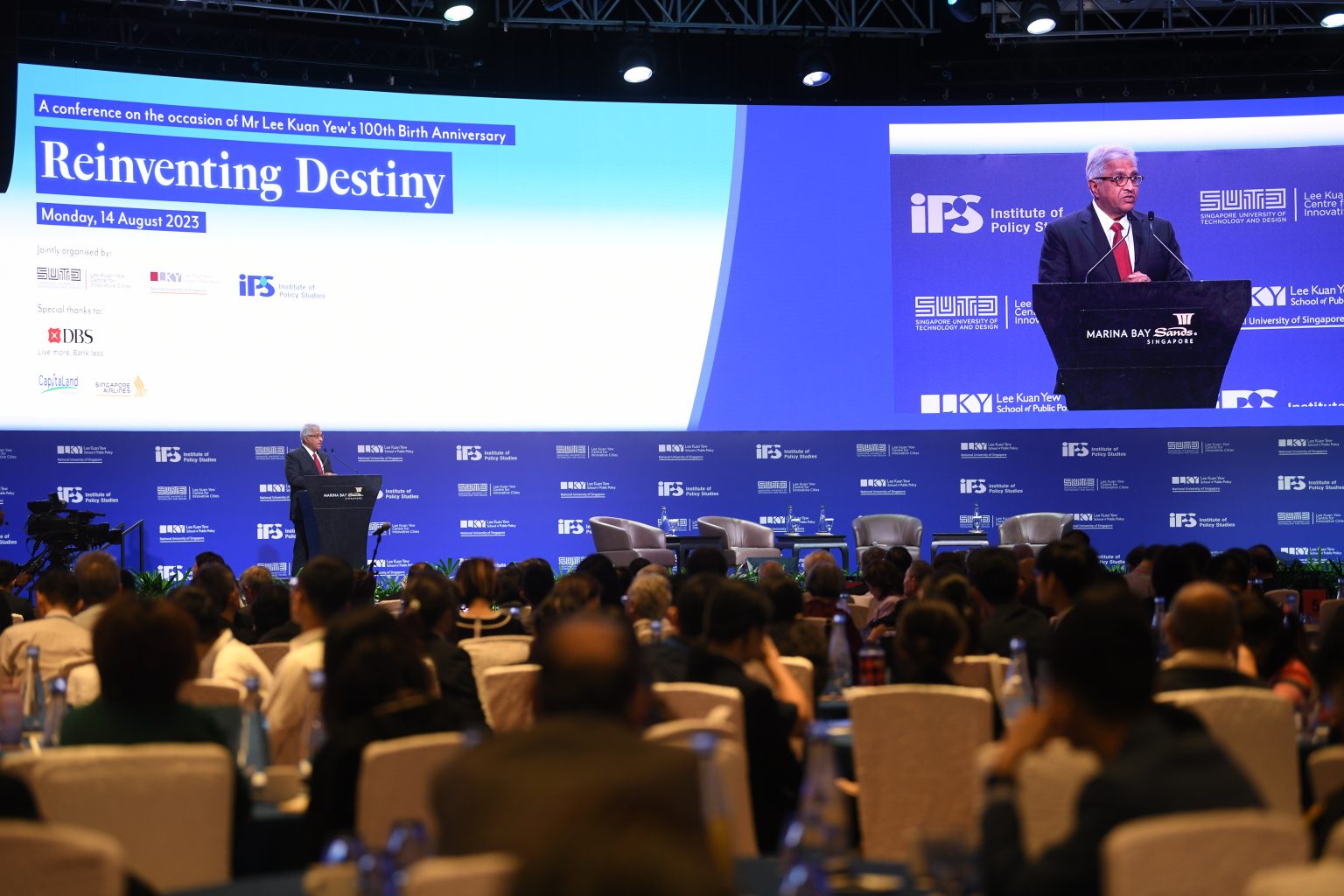
“Reinventing Destiny” – A Conference on the Occasion of Mr Lee Kuan Yew’s 100th Birth Anniversary
The conference was held on 14 Aug 2023 at the Sands Expo and Convention Centre. It was organised by the Singapore University of Technology and Design’s Lee Kuan Yew Centre for Innovative Cities, the National University of Singapore’s Lee Kuan Yew School of Public Policy, and Institute of Policy Studies.
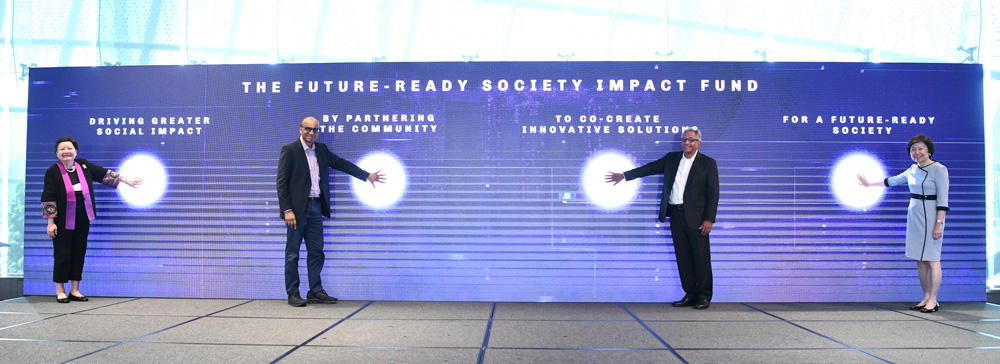
Launch of the Future-Ready Society Knowledge Partnership and Impact Fund
The Future-Ready Society Impact Fund was launched on 10 May 2023 by Senior Minister and Coordinating Minister for Social Policies Tharman Shanmugaratnam.
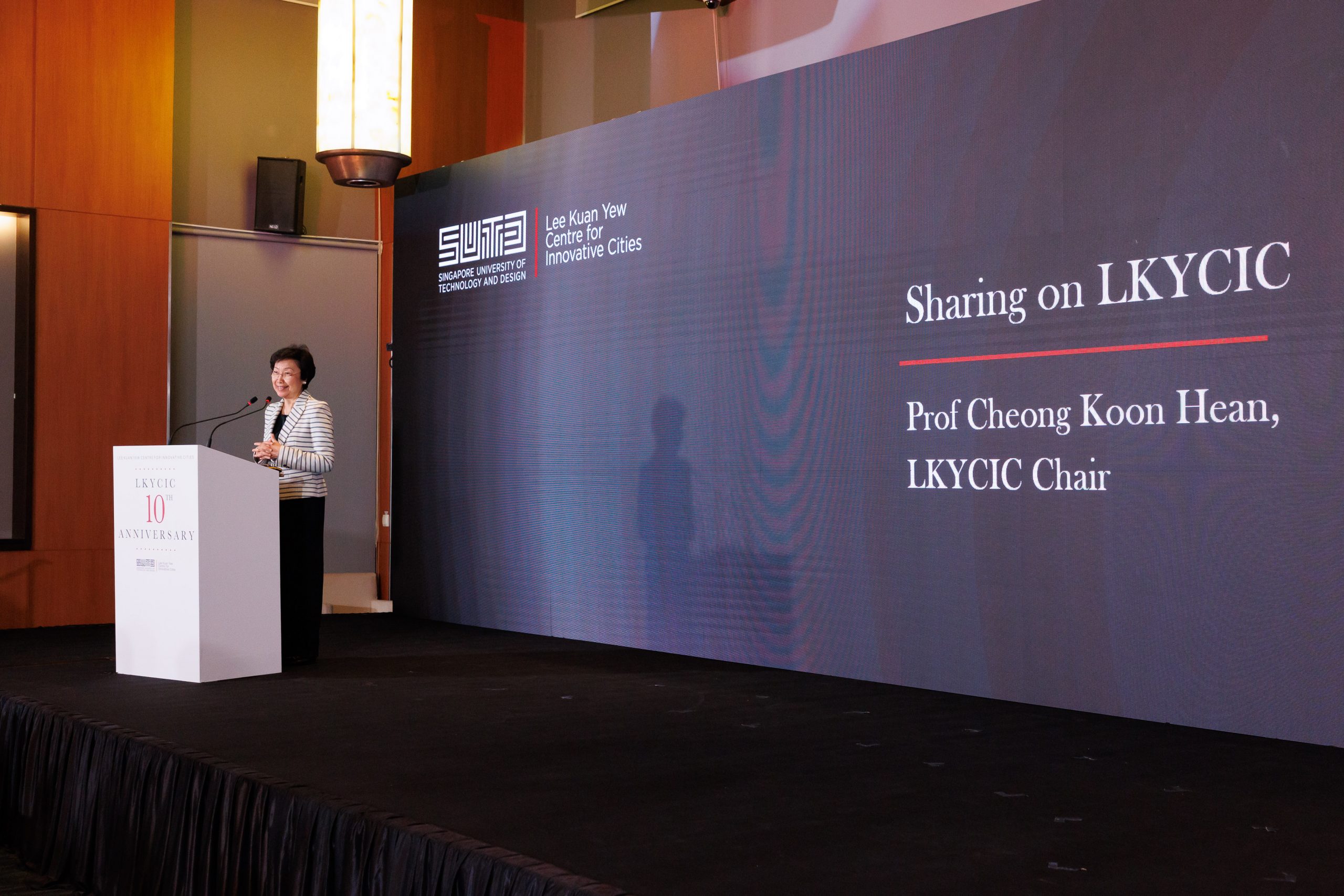
Lee Kuan Yew Centre for Innovative Cities Celebrates 10th Year Anniversary
Established on 1 September 2012 as one of the research centres of excellence in SUTD, the Lee Kuan Yew Centre for Innovative Cities (LKYCIC) is only one of two institutions in Singapore that carry the name of our founding prime minister Mr Lee Kuan Yew.

Striking a Chord: Investigating Singapore’s Beloved National Day Songs
Tan Yin Xi and Samuel Chng examine whether a “reminiscence bump” can help us understand the enduring popularity of some of Singapore’s National Day songs.

SolidGround.sg: A new resource for those facing online harassment or abuse
LKYCIC researchers Catherine Chang and Holly Apsley launch Solidground.sg – a resource site for those facing online harassment or abuse in Singapore.

Waste not, want not: Understanding online public concerns toward food waste reduction in Singapore
In 2019, Singapore generated 744 million kilograms of food waste. To put it into perspective, that is equivalent to 51,000 double-decker buses. Globally, a whopping 1/3 of all food for human consumption goes to waste every year. Although Singapore is small, Singaporeans have big appetites, and with that, arises the inevitable issue of food waste.
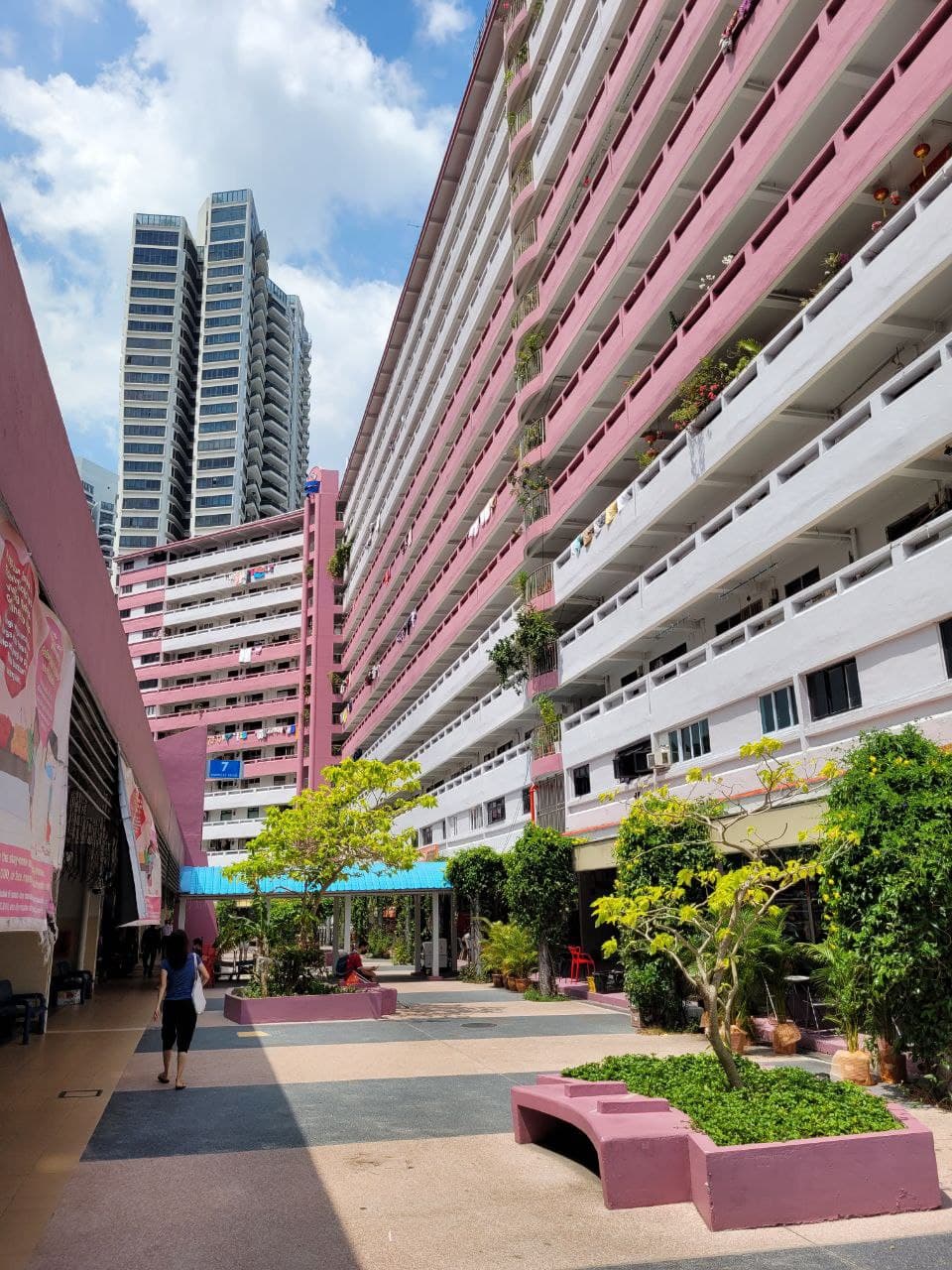
Facilitating social mixing in public spaces
Public spaces are shared spaces where people from all walks of life encounter one another as they go about their daily activities. As a space of encounter, they hold considerable potential as a platform for community building and strengthening social resilience.

COVID-19 and the Future of Work
We are currently in the midst of an accelerated race towards the “Future of Work,” fueled by the growth of digitalization and automation. In this post, we explore what new work arrangements due to the COVID-19 pandemic have shown about the possible futures of work.
Transforming industries and workplaces in an era of climate change
At the end of 2019, many predictions were made about the key trends that would shape business in the next decade. Almost all of the predictions include new technologies and online platforms: 5G, artificial intelligence, e-commerce and digital currencies to name a few. But there is another disruptive force that is frequently mentioned alongside technology: climate change.
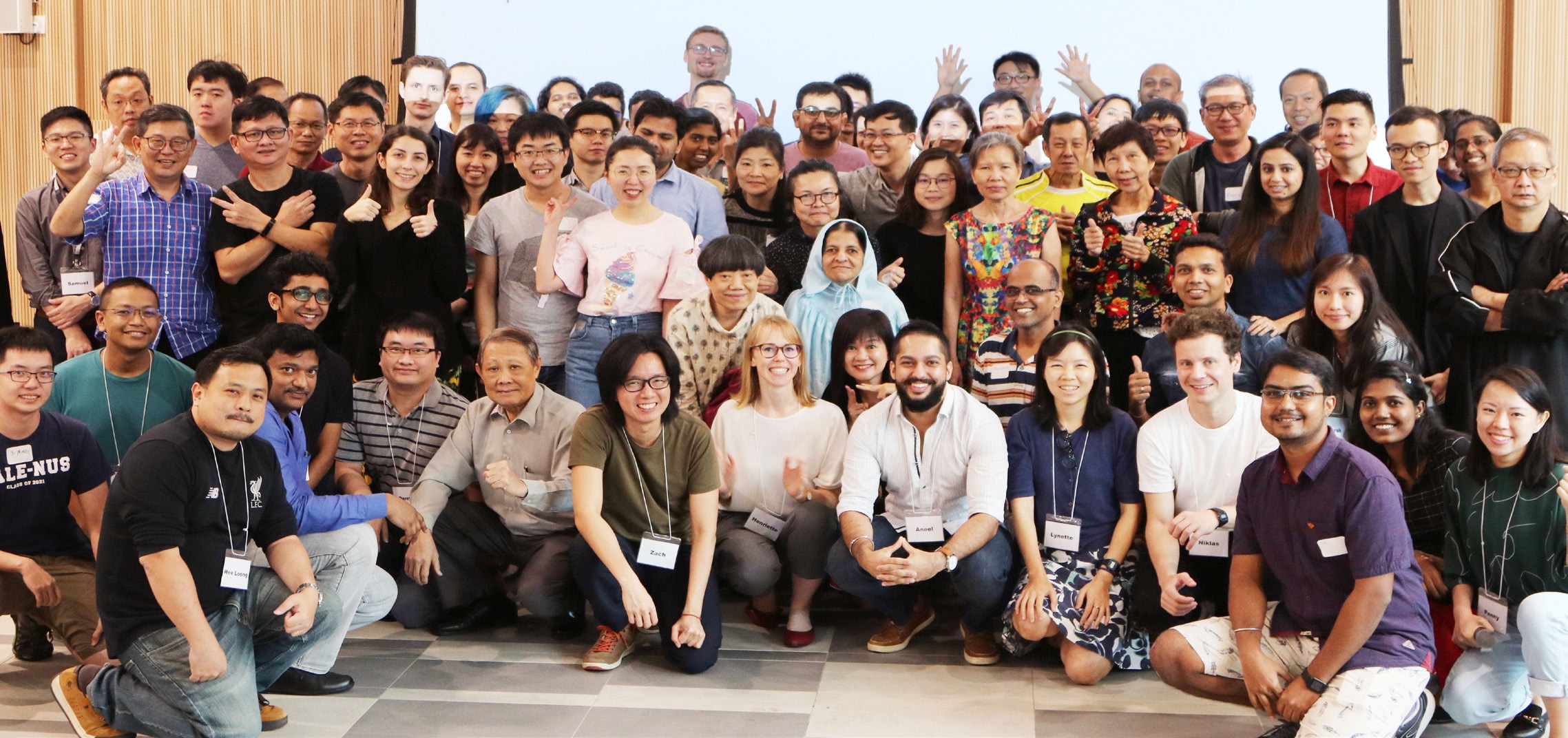
What do Singaporeans want from Driverless Mobility?
The deployment of Autonomous Vehicles (AVs) in cities is an exciting development and we currently see them being tested in a growing number of trials in many cities around the world. In this post, we share some preliminary findings from a Driverless Mobility Dialogue hosted by the Centre and the Sustainable Urban Mobility Research Laboratory at SUTD.