


Highlights
IPS-Nathan Lecture III: Singapore in a Time of Flux: Optimism from the Jaws of Gloom
LKYCIC Chair Professor Chan Heng Chee delivered her 3rd IPS-Nathan lecture, titled “Singapore in a Time of Flux: Optimism from the Jaws of Gloom”, on 15 July 2020. The lecture was live-streamed on IPS’ Facebook page, and was moderated by Mr Bilahari Kausikan, Chairman of Middle East Institute, National University of Singapore.
IPS-Nathan Lecture II: The US-China Rivalry: Inevitable War or Avoidable War
LKYCIC Chair Professor Chan Heng Chee delivered her 2nd IPS-Nathan lecture, titled “The US-China Rivalry: Inevitable War or Avoidable War?”, on 1 July 2020. The lecture was live-streamed on IPS’ Facebook page, and was moderated by Professor Joseph Liow, Dean of College of Humanities, Arts, & Social Sciences, Nanyang Technological University.
LKYCIC Research Fellow Wins Praemium Erasmianum Foundation Research Prize
Dr Thijs Willems’ PhD dissertation was selected alongside four other winners. They were recognised for their dissertation papers’ outstanding quality, true interdisciplinary methods, originality, international scope and excellent readability.
IPS-Nathan Lecture I: Disruption. Democracy Falters. Capitalism Flounders. World Order Unravels
In her first lecture as IPS’ 7th S R Nathan Fellow, Professor Chan Heng Chee outlined four big challenges the world faces today — disruption, faltering democracy, floundering capitalism and the unraveling of the world order. The lecture was moderated by Prof Danny Quah, Dean of Lee Kuan Yew School of Public Policy and was live-streamed on IPS’ Facebook page on 18 June 2020.

COVID-19 and the Future of Work
We are currently in the midst of an accelerated race towards the “Future of Work,” fueled by the growth of digitalization and automation. In this post, we explore what new work arrangements due to the COVID-19 pandemic have shown about the possible futures of work.

Transforming industries and workplaces in an era of climate change
At the end of 2019, many predictions were made about the key trends that would shape business in the next decade. Almost all of the predictions include new technologies and online platforms: 5G, artificial intelligence, e-commerce and digital currencies to name a few. But there is another disruptive force that is frequently mentioned alongside technology: climate change.
What do Singaporeans want from Driverless Mobility?
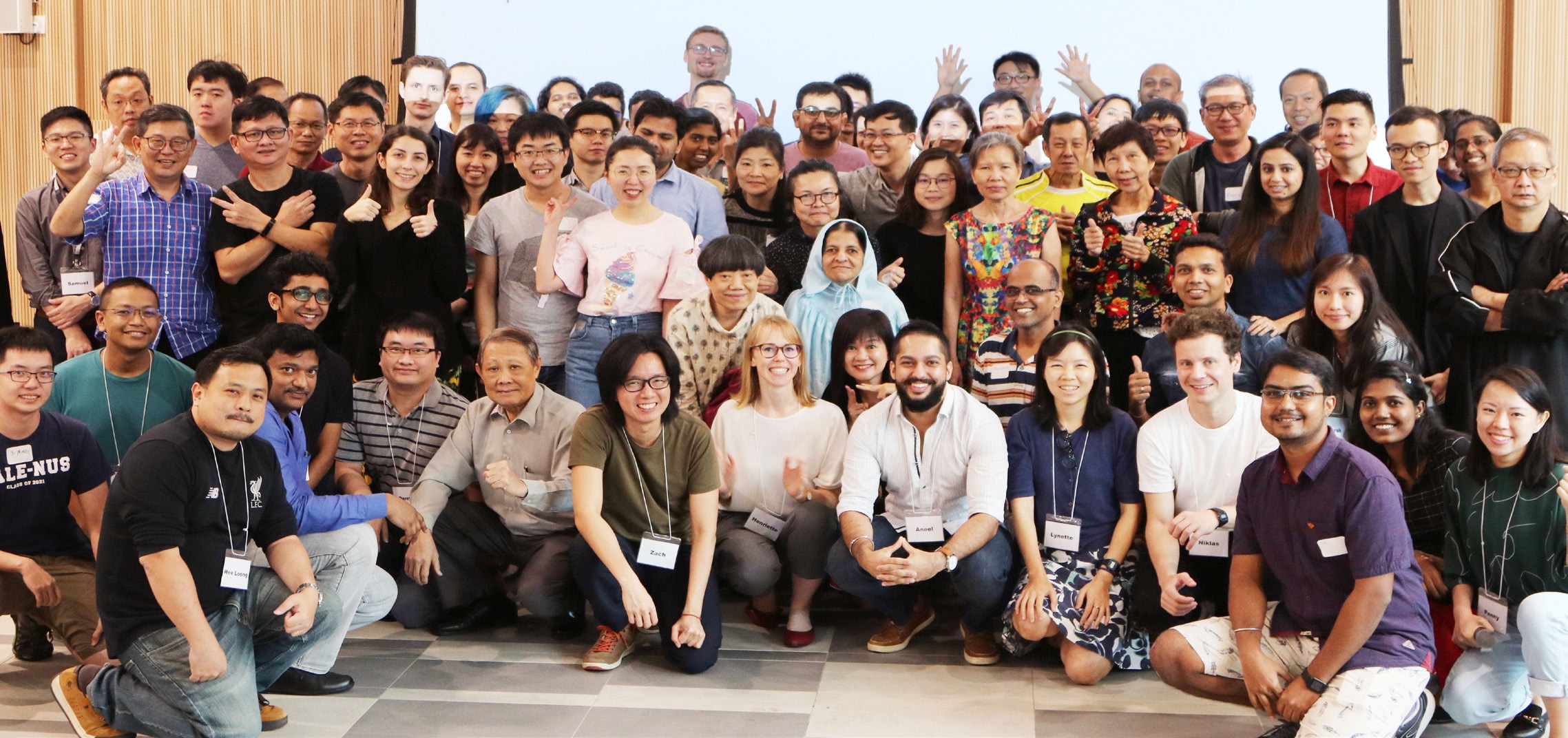
The deployment of Autonomous Vehicles (AVs) in cities is an exciting development and we currently see them being tested in a growing number of trials in many cities around the world. In this post, we share some preliminary findings from a Driverless Mobility Dialogue hosted by the Centre and the Sustainable Urban Mobility Research Laboratory at SUTD.

Under the ban of e-scooters
LKYCIC Research Fellow Sam Chng discusses Singapore’s e-scooter ban on a CNA Podcast.
GitHub as a mechanism for public participation?
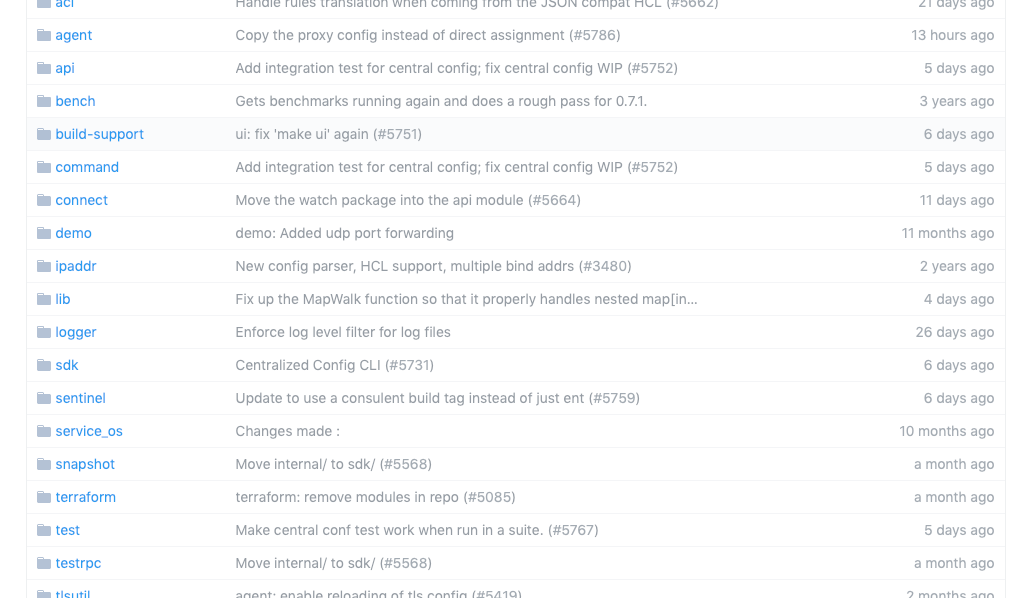
Digital participation has become a hot topic in recent years, whereby traditional methods of gathering feedback from the public – Town Halls, workshops and meetings – are increasingly being augmented by online tools. In this blog post we explore the potential for existing digital collaboration platforms such as GitHub to support participatory planning.
Towards more participatory governance in Singapore
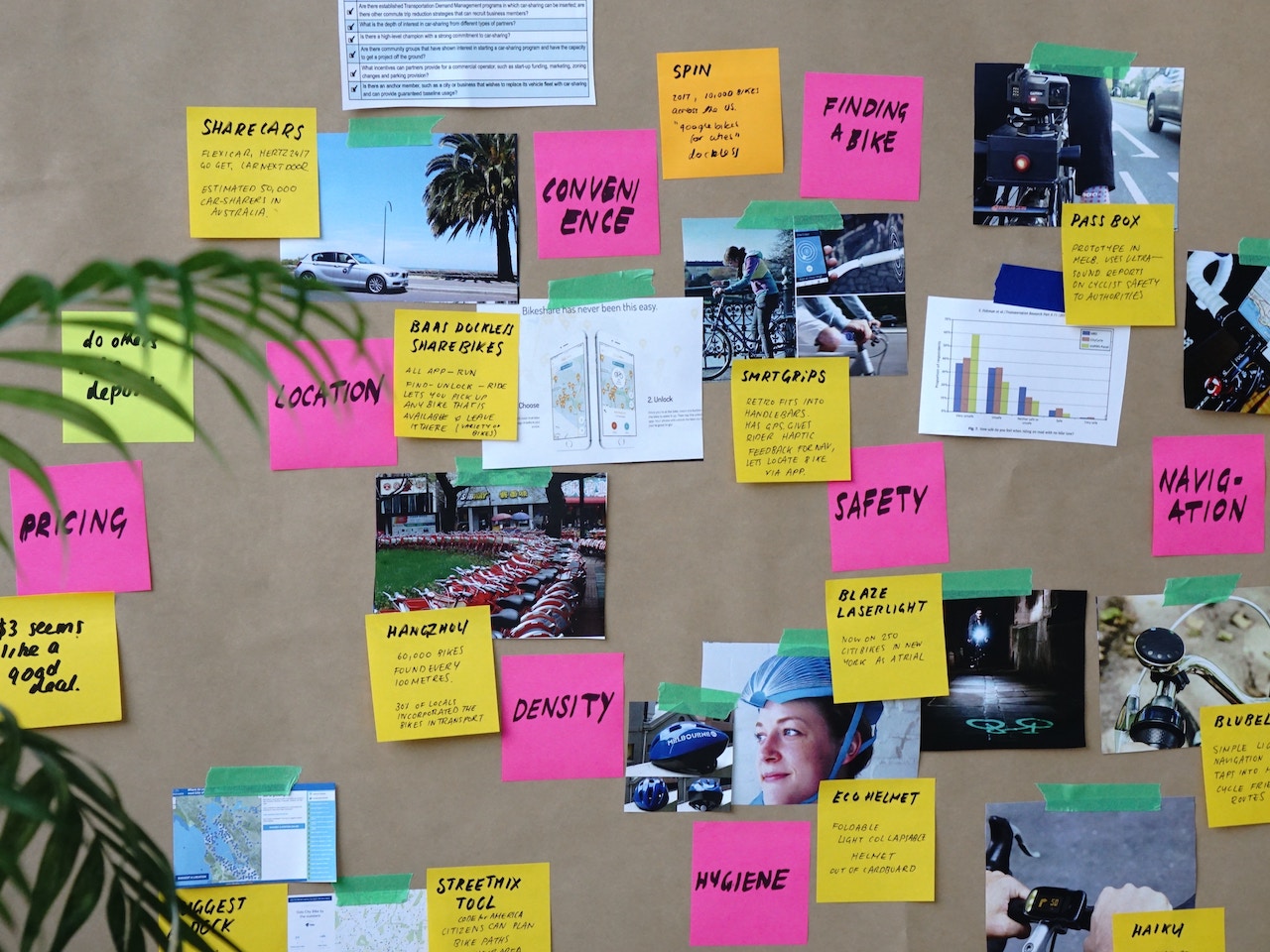
Since the early days of independence, the Singapore government has tried and tested various modes of engagement with its constituents. Many of the earlier iterations of engagement consisted of campaigns to communicate policies and national development goals; however, with time, these methods of engagement began to take on different shapes and forms, and have adopted collaborative elements in an effort to experiment with more participatory, interactive dialogue.