

Climate Resilience Learning Journey
On 29 July 2026, a Climate Resilience Learning Journey was held in collaboration with the National Climate Change Secretariat (NCCS), bringing together over 100 participants from public service agencies to learn about current heat resilience research. The learning journey is part of the Climate Resilient Citizenry and Staying Cool research, led by the Lee Kuan Yew Centre for Innovative Cities (LKYCIC) at the Singapore University of Technology and Design (SUTD), in collaboration with the Heat Resilience and Performance Centre (HRPC) at the Yong Yoo Lin School of Medicine, National University of Singapore (NUS) and Singapore-ETH Centre (SEC).
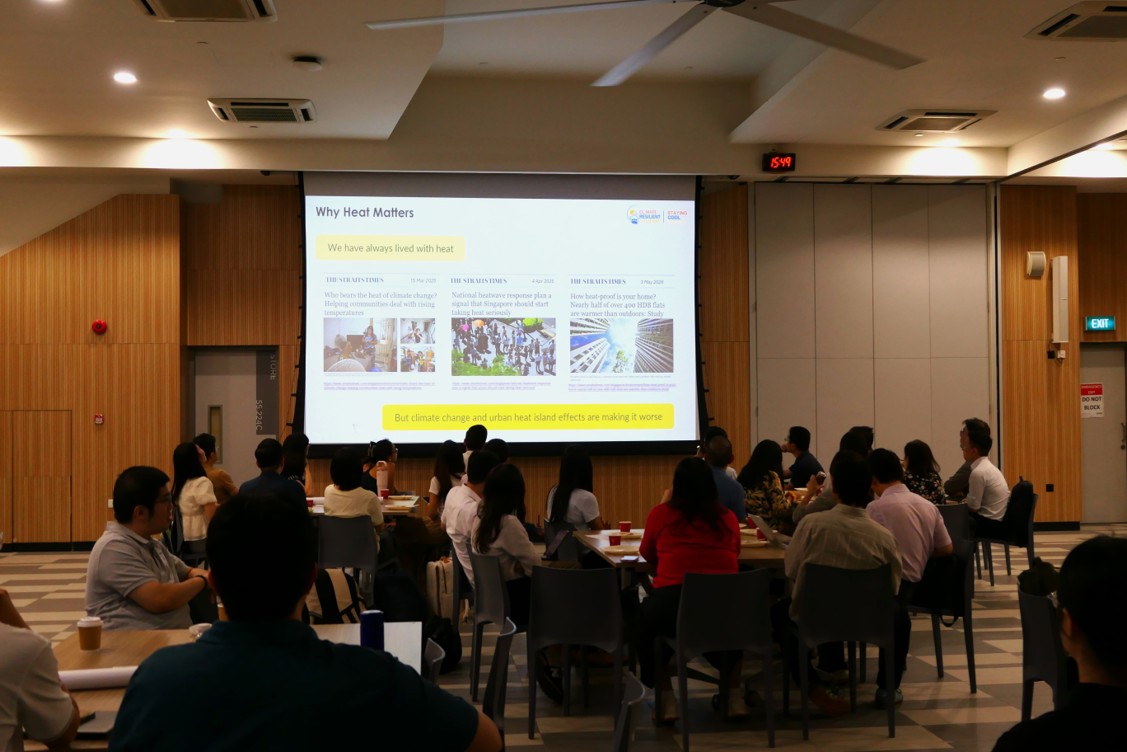
Participants attending the Climate Resilience Learning Journey workshop held at SUTD
The learning journey served as a unique platform for researchers to engage public service representatives, sharing key research findings and potential interventions being piloted to strengthen heat resilience in the community. Participants also had the opportunity to direct questions to a panel of experts, including Associate Professor Jason Lee (HRPC, NUS), Research Assistant Professor Samuel Chng (LKYCIC, SUTD), Dr Zheng Kai (Architecture and Sustainable Design, SUTD) and Dr Andrew Sayampanathan (Associate Consultant and Public Health Physician, SingHealth).
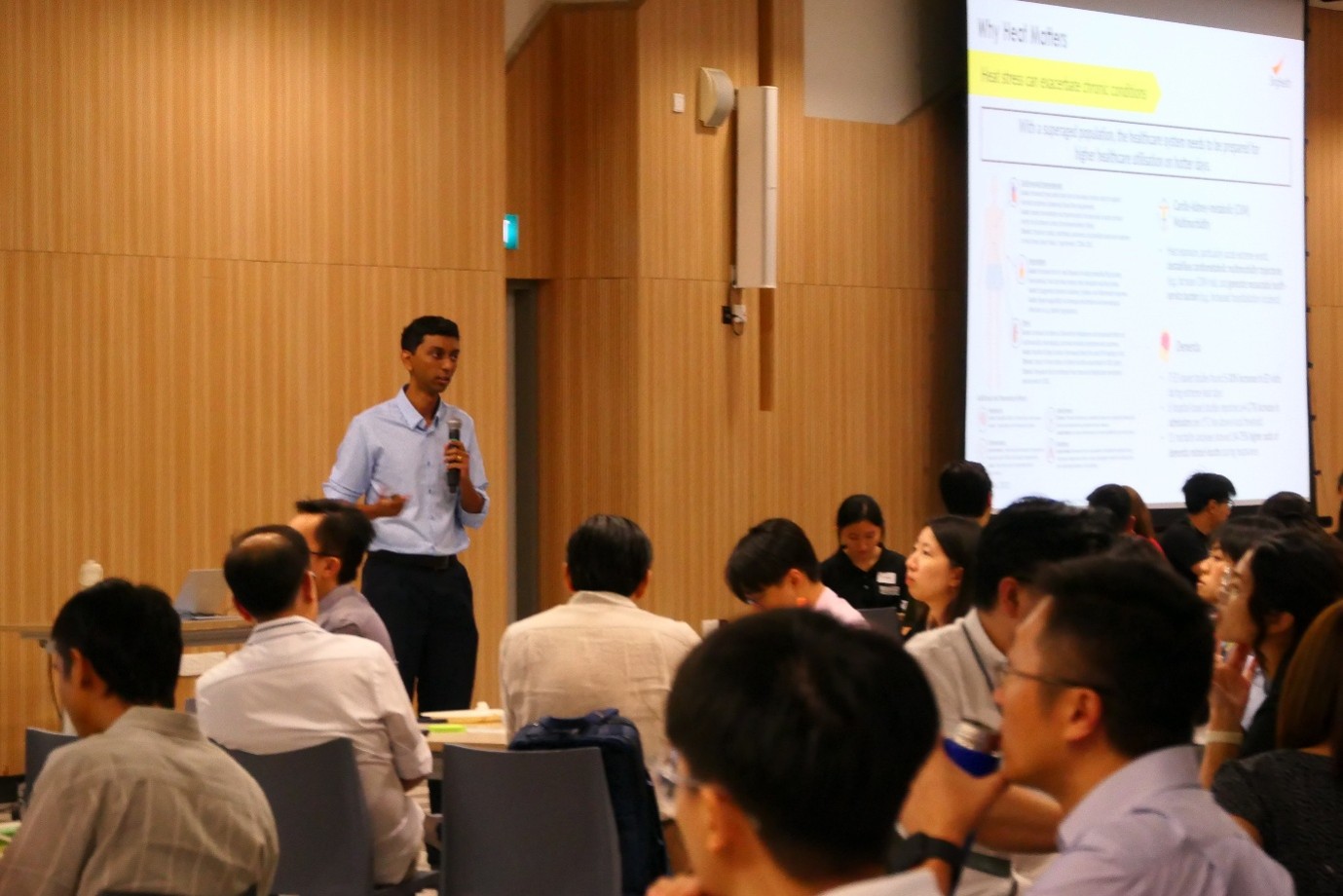
Dr Andrew Sayampanathan (Associate Consultant and Public Health Physician, SingHealth) sharing the impacts of heat on health
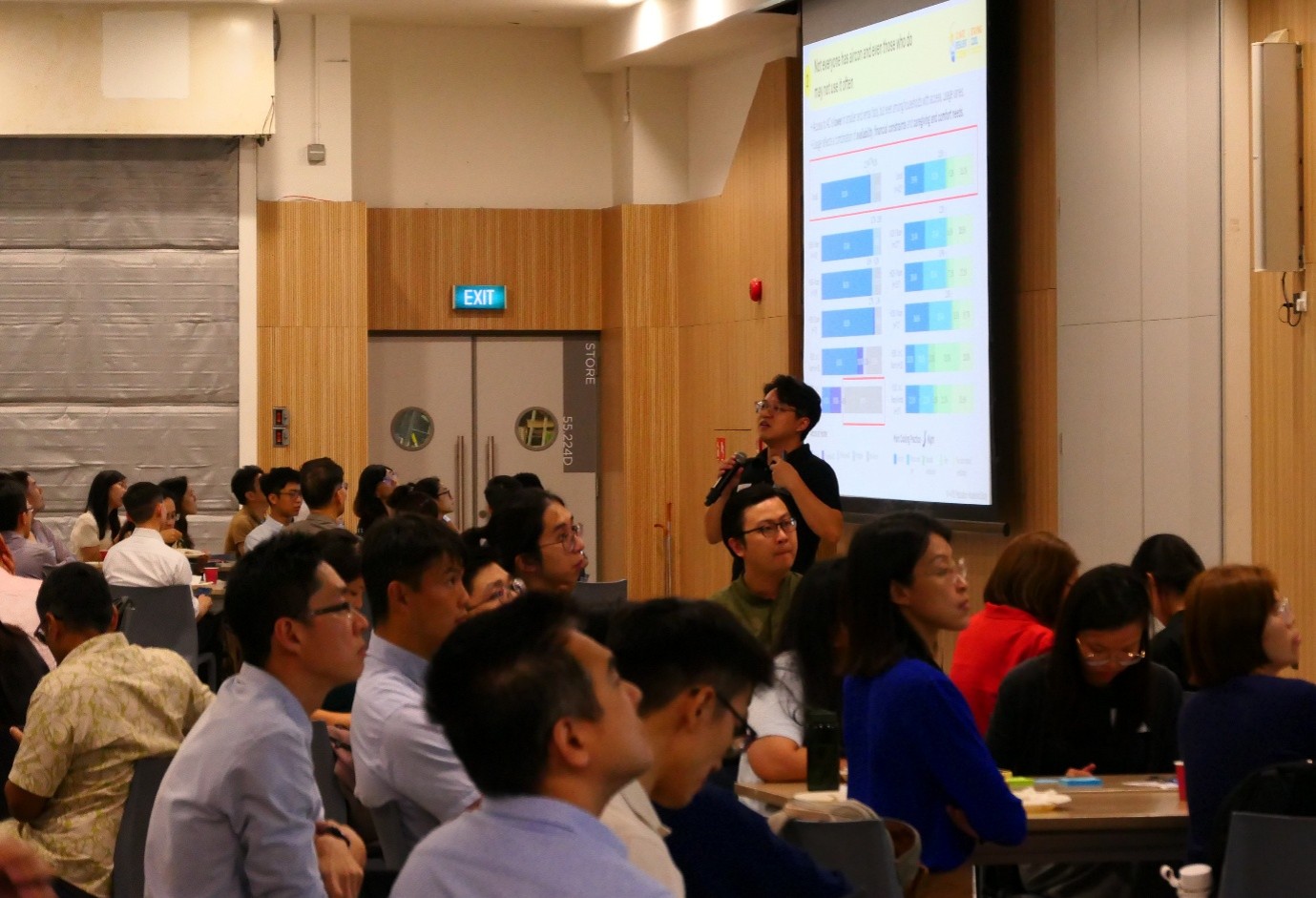
Research Assistant Professor Dr Samuel Chng (LKYCIC, SUTD) sharing insights from the Climate Resilient Citizenry x Staying Cool research
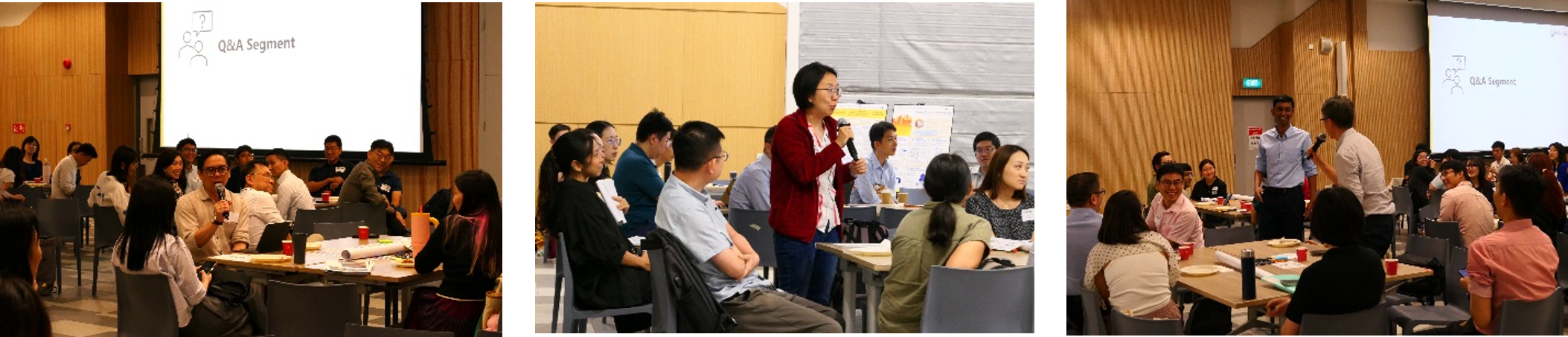
Participants asking questions during the Q&A segment
Through expert presentations and interactive activities, participants reflected on how rising heat affects everyday life, examining the role of homes – through their physical designs and household cooling practices – in shaping indoor heat exposure and thermal comfort.
A highlight of the workshop was the hands-on activities, where participants put on the cap of a “Heat Detective” to identify common home interior features that could promote or impede sustainable cooling, as well as a household heat mapping exercise to reflect on how heat is experienced in their own homes and possible interior changes to improve natural ventilation.
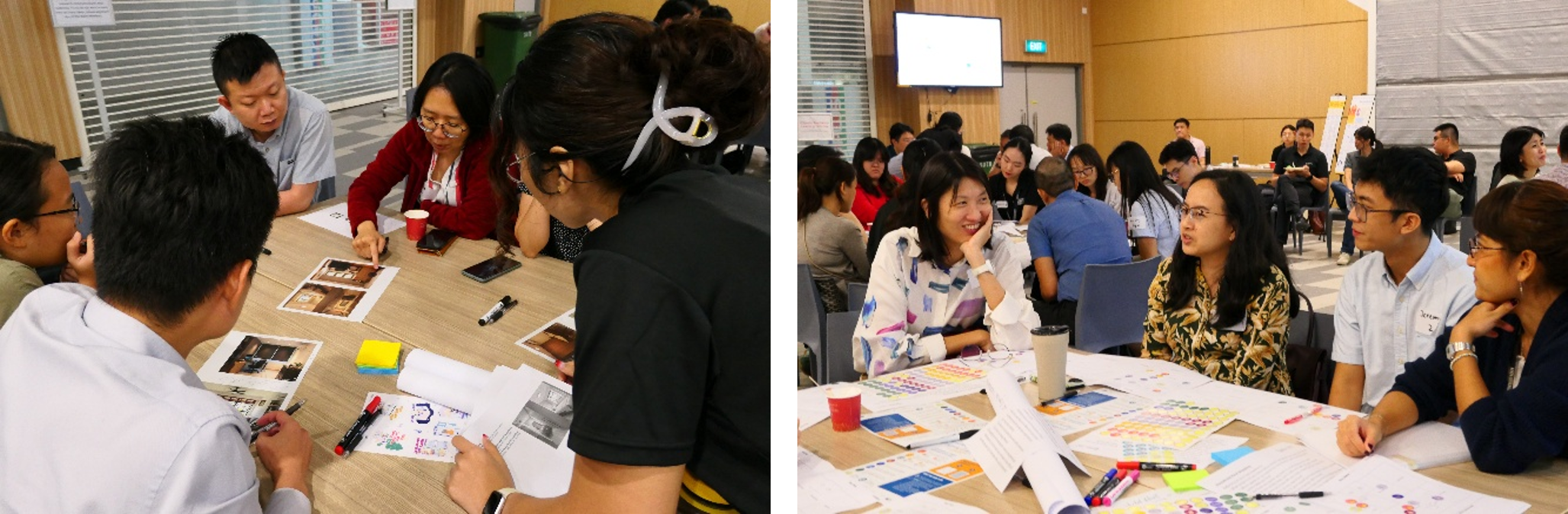
Participants engaging in hands-on activities during the workshop
The learning journey concluded with participants visiting exhibition booths by LKYCIC, the Net Zero Futures Lab, and Carbon1010, showcasing the research capabilities of the different research centres and labs at SUTD. A site visit to the Fab Lab was also arranged, where SUTD students shared sustainable mobility projects including an electric vehicle built via additive manufacturing (Project EVAM), a first-and-last-mile autonomous vehicle platform (Project P50), and an autonomous mobility solution for wheelchair-bound and elderly residents (Project Icarus).
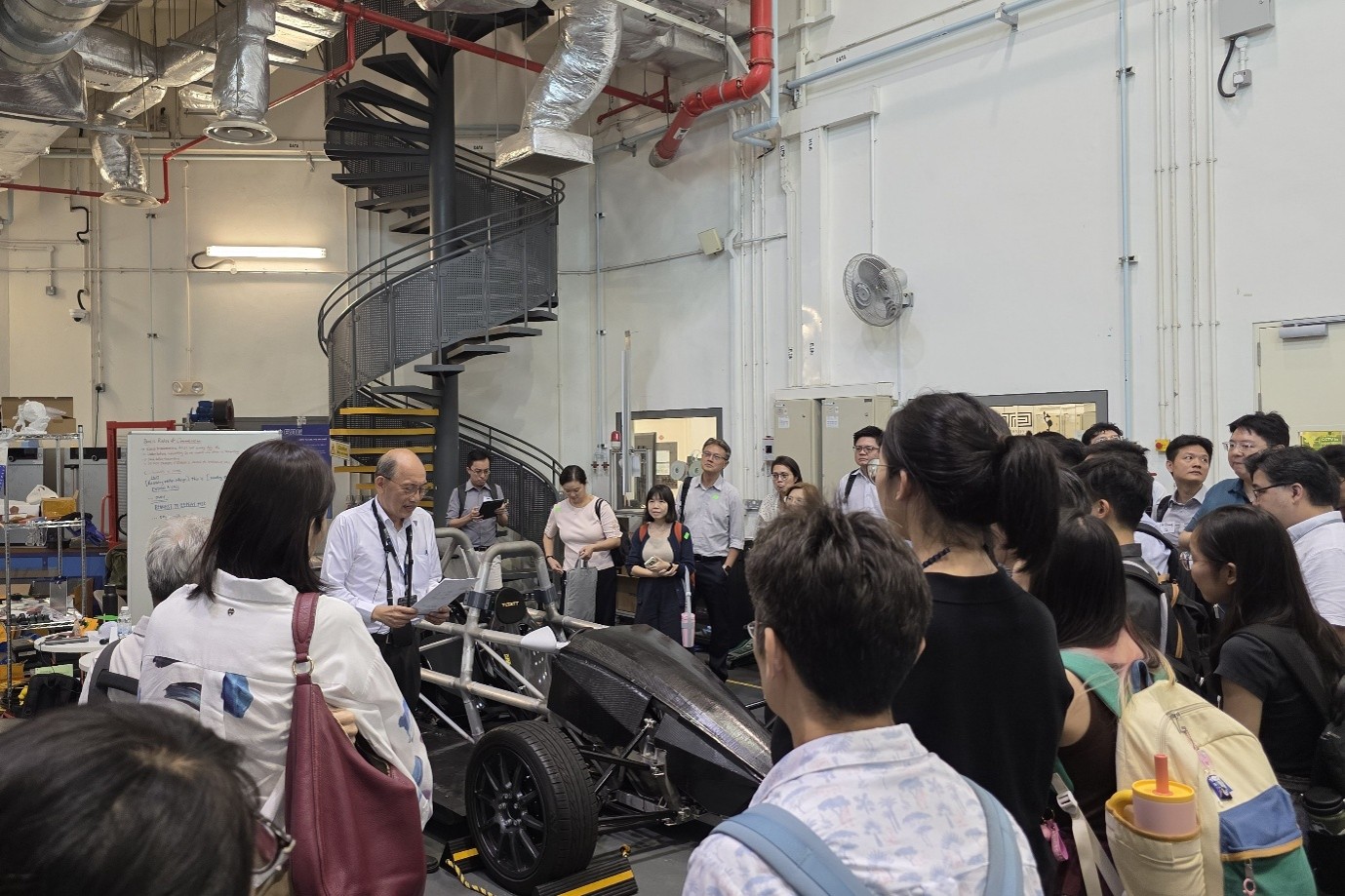
Participants visiting the SUTD Fab Lab