

From Global Leadership to Collective Action: LKYCIC at the Forefront of Urban Dialogue at World Cities Summit 2026
From Global Leadership to Collective Action: LKYCIC at the Forefront of Urban Dialogue at World Cities Summit 2026
How are cities addressing mobility and housing challenges across different contexts and scales?
At the World Cities Summit 2026, the Lee Kuan Yew Centre for Innovative Cities (LKYCIC), Singapore University of Technology and Design (SUTD) contributed to discussions examining how cities are responding to these shared urban challenges. LKYCIC, working alongside the Centre for Liveable Cities (CLC), co-organised the Lee Kuan Yew World City Prize Network (LKYWCP Network) Research Fellowship Masterclass on 16 June 2026, to better understand the enablers, barriers, and solutions to achieving affordable housing and active mobility in cities. The LKYWCP Network, launched at World Cities Summit 2024, is a platform connecting Lee Kuan Yew World City Prize cities to share best practices, collaborate on urban challenges, and exchange knowledge on building liveable and sustainable cities.
Global City Strategies in Focus: 15 June Lee Kuan Yew World City Prize Lecture
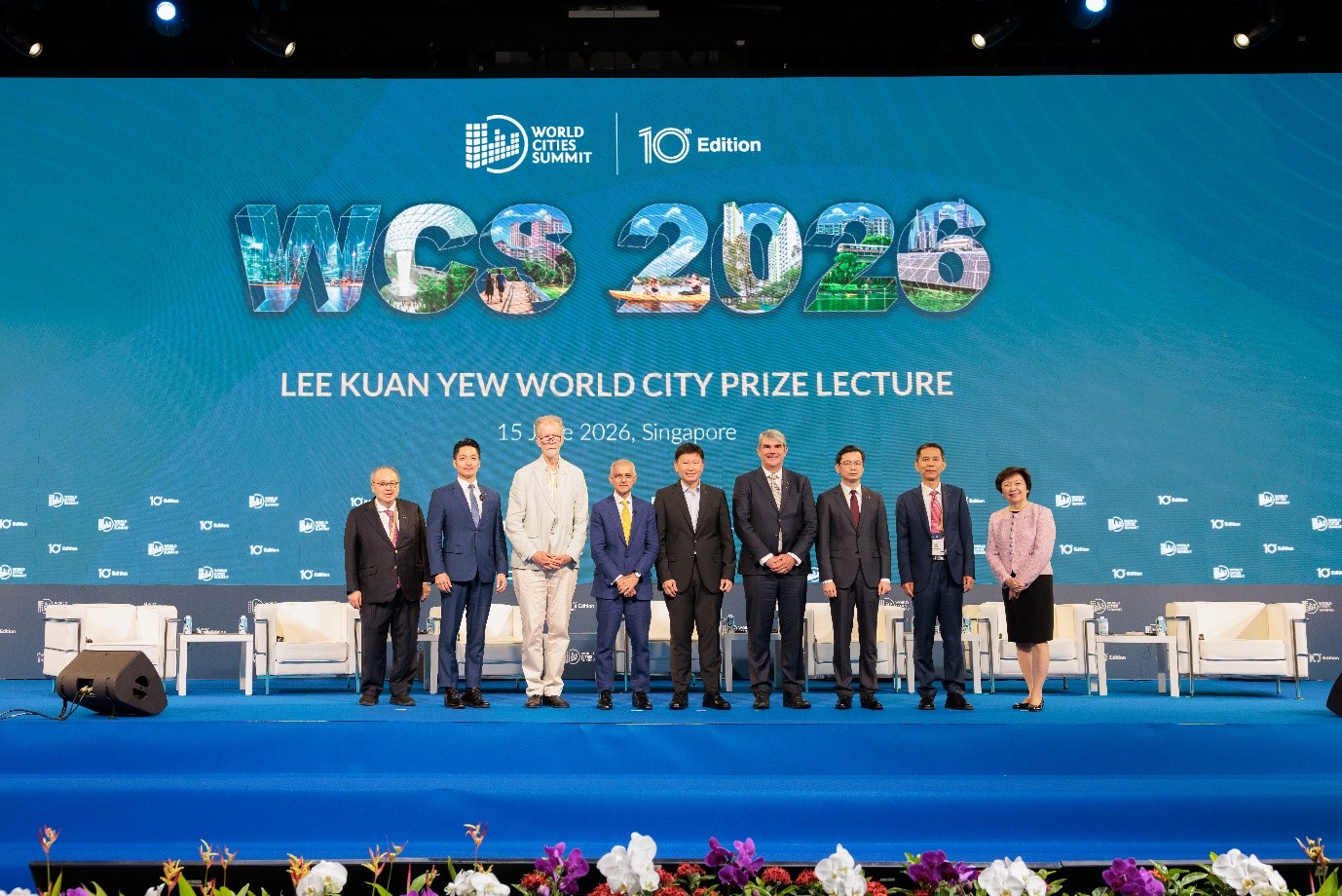
Professor Cheong Koon Hean, Chair of LKYCIC and Chairman of the Prize Nominating Committee and Peter Ho, Chair of Lee Kuan Yew World City Prize Council with representatives of the laureate winner (London) and ‘ Special Mention Cities’ (Antwerp, Budapest, Guangzhou, Taipei and Tianjin)
The Lee Kuan Yew World City Prize is a biennial international award recognising cities that demonstrate outstanding leadership, innovation, and governance in creating liveable, sustainable urban communities, with the aim of sharing practical urban solutions globally. At the Lee Kuan Yew World City Prize Lecture, Professor Cheong Koon Hean, Chair of LKYCIC and Chairman of the Prize Nominating Committee, moderated a dialogue with representatives from the 2026 Laureate and Special Mention Cities. The session focused on how cities are addressing urban challenges through a combination of long-term planning, policy interventions, and project implementation.
London, the 2026 Laureate, presented a range of initiatives addressing regeneration, mobility, and environmental goals. These included the urban transformation of Queen Elizabeth Olympic Park and the Elizabeth Line, which improves connectivity across the city. Air quality policies such as the Ultra Low Emission Zone were also highlighted, alongside broader efforts to support economic growth and improve urban liveability. The discussion noted that while these measures operate at scale, they are accompanied by challenges related to public acceptance and behavioural change, particularly where policies affect daily travel choices.
The Special Mention Cities shared their cities’ responses, shaped by different local conditions. Antwerp described its “Big Link” project, which integrates transport infrastructure with green networks to reconnect neighbourhoods and improve environmental performance. Budapest discussed how constraints in funding have prompted reforms to existing transport systems, including changes to public space use and restrictions on private vehicles in selected locations. Guangzhou shared initiatives in electrification of mobility systems, environmental monitoring, and community-led renewal. Taipei presented its use of digital tools in city management and public service delivery, while Tianjin highlighted its approach to ecological planning, heritage conservation, and regulatory frameworks for managing growth.
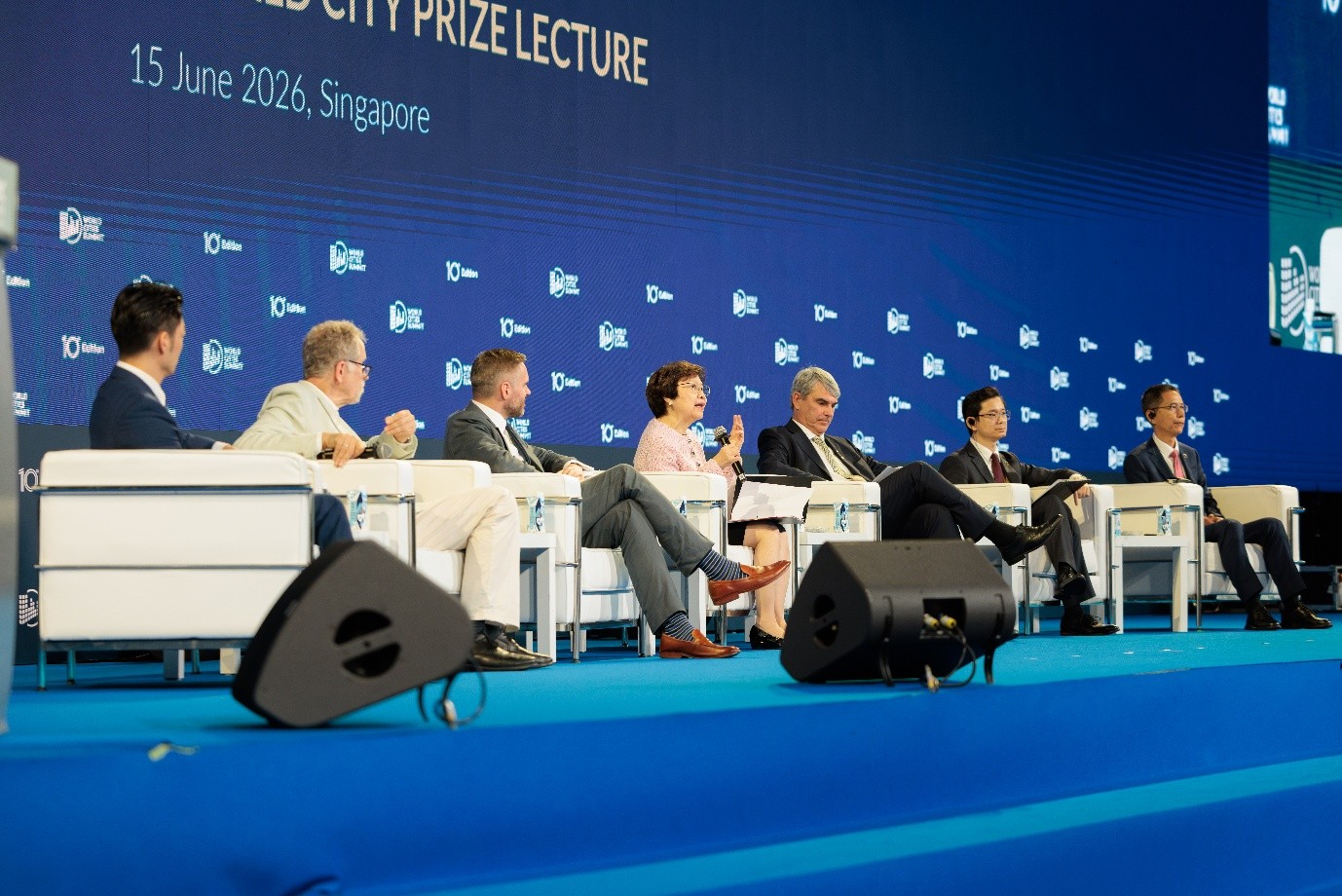
Professor Cheong Koon Hean, Chair of LKYCIC and Chairman of the Prize Nominating Committee moderating the discussion by the representatives of the laureate winner (London) and ‘ Special Mention Cities’ (Antwerp, Budapest, Guangzhou, Taipei and Tianjin) at World Cities Summit.
In the moderated discussion by Professor Cheong Koon Hean, climate adaptation was addressed through both infrastructure and system-level adjustments. Cities discussed upgrading drainage systems, incorporating green infrastructure, and adapting ecological strategies to changing environmental conditions. Technology was similarly framed as both an enabler and a constraint. While examples such as transport payment systems and environmental sensing illustrate the benefits of digital tools, cities also raised concerns about data privacy, cybersecurity, and the integration of new technologies into existing governance structures.
Insights on Housing and Mobility: 16 June Lee Kuan Yew World City Prize Network (LKYWCP Network) Research Fellowship Masterclass
In the masterclass, participants identified success factors such as coordination across agencies and alignment between infrastructure and land use, as well as barriers including regulatory constraints, financing challenges, and behavioural factors. The individual and group activities allowed participants to discuss and examine how similar challenges are approached differently across cities, and to consider how specific strategies might be adapted to their own contexts. The housing discussions highlighted a fundamental tension between housing as a financial asset and housing as a social necessity, with participants broadly agreeing that political will and long-term thinking are prerequisites for meaningful progress on affordability. Key policy action areas included the role of patient capital and long-term financing instruments in enabling affordable development, and the need to discourage speculative ownership. Retrofitting and designing for longevity were raised as sustainable alternatives to demolition and new build, while transit-oriented development emerged as a pathway to link affordable housing with broader mobility networks. Participants also grappled with the social impact of urban renewal, particularly gentrification and displacement, and stressed the importance of designing housing pathways that are inclusive of diverse demographic needs — including ageing populations, one-person households, and intergenerational living arrangements.
Active mobility was the other key discussion theme. Discussions touched on the political will required to shift away from car-centric planning, and the central role of policymakers in delivering concrete changes to infrastructure and pedestrian support. Participants also noted that climate and topography shape what forms of active mobility are realistic — in areas with challenging terrain, accessibility-enabling infrastructure such as escalators and other movement aids can play an important role in encouraging walking over public transport use.
Proposed solutions in the active mobility groups spanned a range of approaches: aligning land use and transportation planning, strengthening first- and last-mile connectivity, introducing targeted small-scale interventions to close accessibility gaps (such as bridges, underpasses, and lifts), deepening place-based understanding through environmental audit tools, enhancing data capabilities through GIS mapping and real-time monitoring.
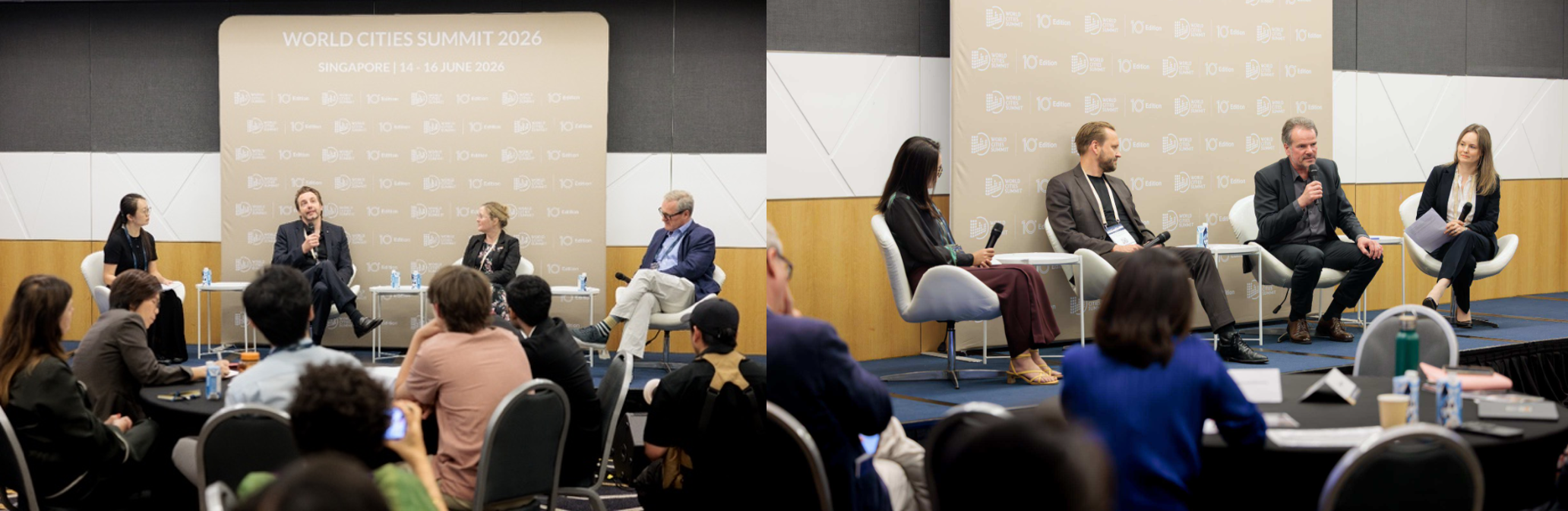
Panel discussion on active mobility (Antwerp, Brisbane and New York City) and housing (Copenhagen, Hamburg and Melbourne).
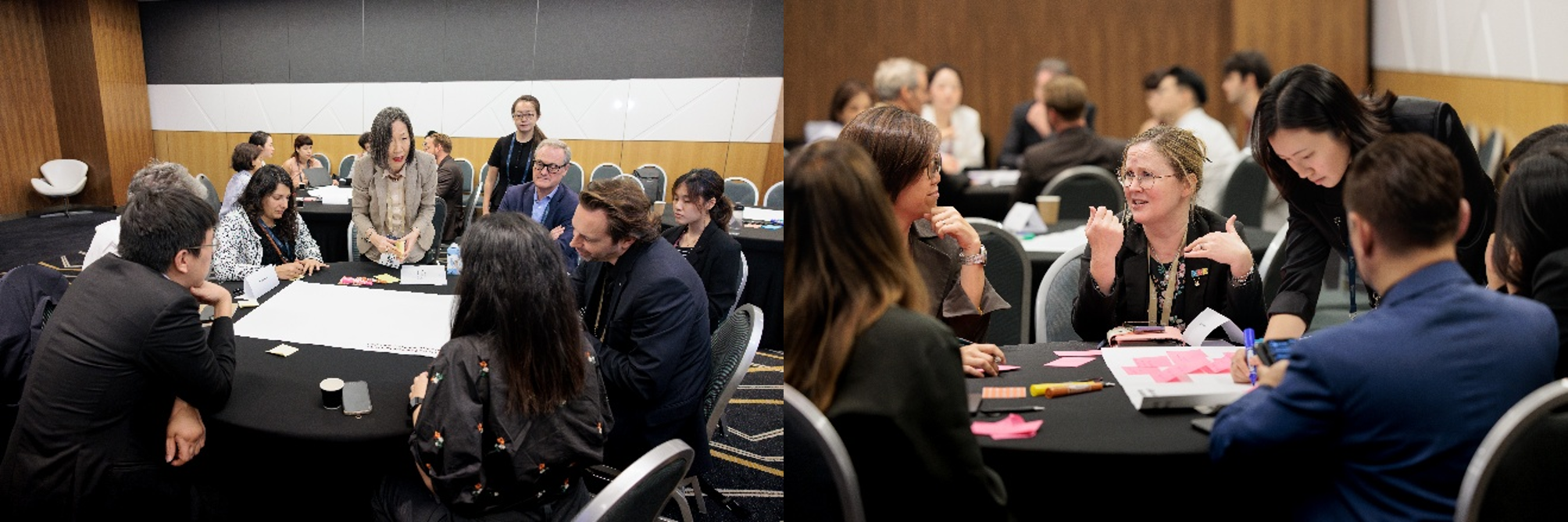
Breakout discussions on active mobility and housing.
Aside from the masterclass, six LKYWCP Network cities (Antwerp, Brisbane, Copenhagen, Hamburg, Melbourne, and New York City) shared their development experiences at the Lee Kuan Yew World City Prize Network (LKYWCP Network) Research Fellowship Masterclass session while winners of the 2026 LKYWCP spoke at the Lee Kuan Yew World City Prize special plenary.
Different Contexts, Shared Challenges: Insights Across Cities
Across both the plenary and masterclass, discussions consistently returned to the question of implementation. While cities presented a wide range of strategies and projects, much of the exchange focused on how these are delivered in practice, including the role of governance, financing, and stakeholder coordination. Mobility and housing were framed in relation to broader systems, particularly liveability, climate and social outcomes, rather than as isolated sectors.
This and the other sessions on the Lee Kuan Yew World City Prize and Network highlighted several recurring issues. Cities are navigating the tension between long-term transformation and implementation constraints, particularly in relation to infrastructure investment, housing supply, and financing. Mobility and housing were discussed not as standalone sectors, but as systems closely tied to liveability, environmental performance, and social inclusion. Participants pointed to the role of governance, regulation, and public acceptance in shaping outcomes, especially for policies related to air quality, land use, and emerging technologies.
Across the sessions, examples ranged from large-scale urban regeneration and transport infrastructure to incremental improvements at the neighbourhood level, reflecting the varied institutional and resource contexts in which cities operate. The sessions also highlighted variation in how cities approach similar challenges, reflecting differences in institutional structures, resource availability, and development trajectories. Both large-scale interventions and incremental approaches were discussed as viable pathways, depending on local conditions. The combination of plenary dialogue and masterclass discussion enabled participants to engage with these differences, moving between high-level strategies and more detailed considerations of implementation.
Authors: Ms Francine Chan, Dr Xin Yang