Research news
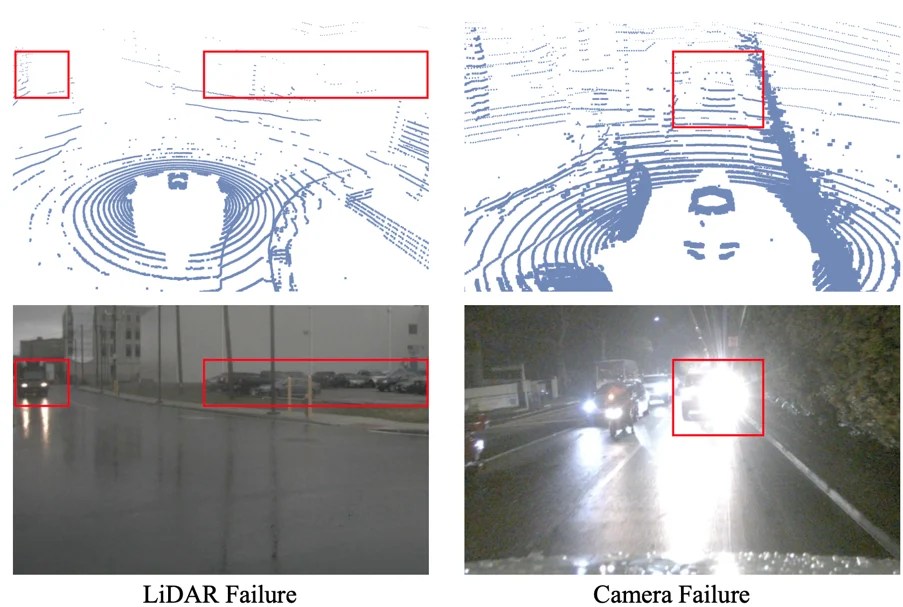
In rain and darkness, how should self-driving cars trust their sensors?
SUTD researchers have developed novel solutions that keep an autonomous vehicle’s perception accurate in rain, darkness and unfamiliar cities.
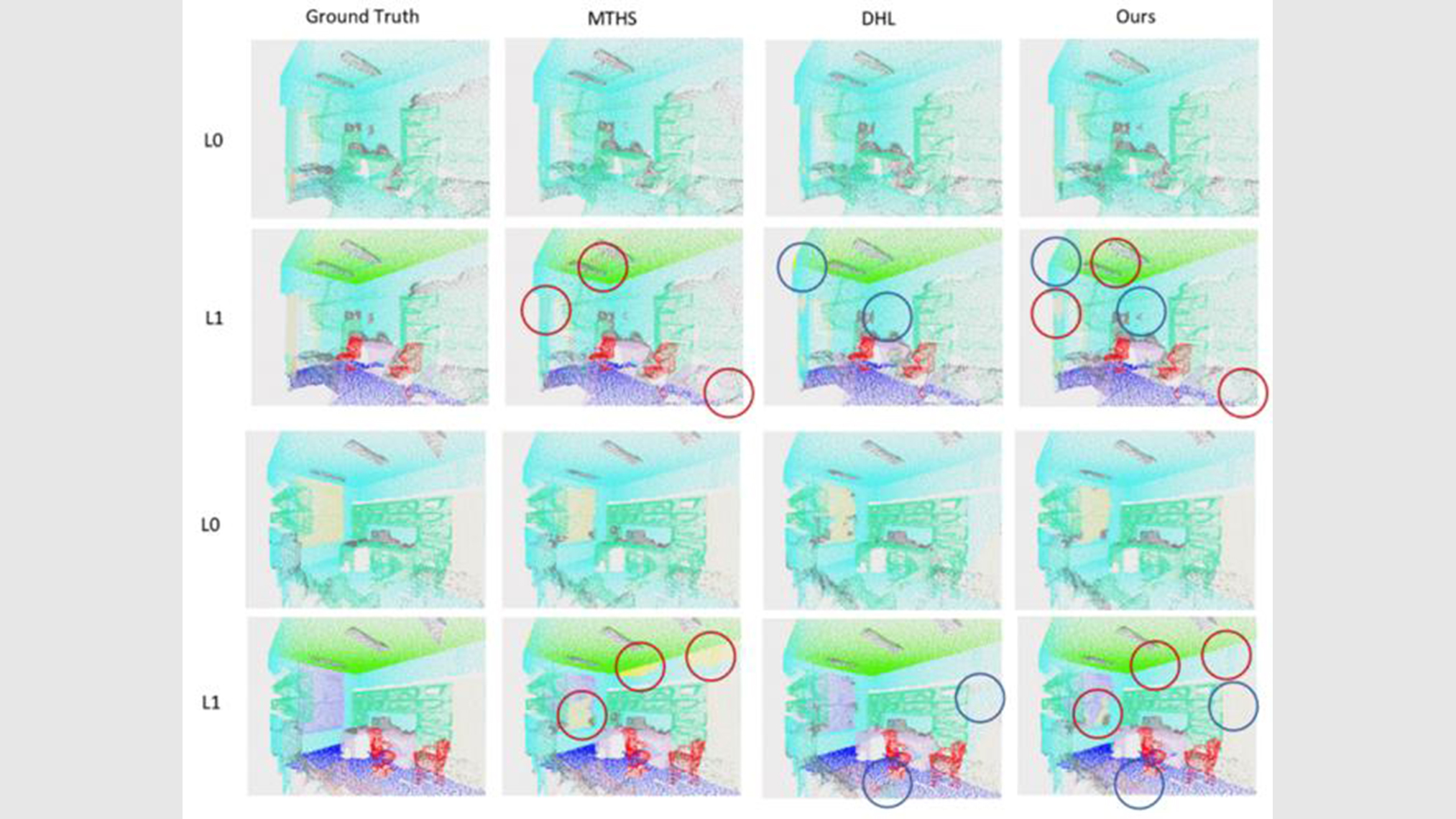
New AI framework to help machines understand 3D spaces in finer detail
A new framework developed by SUTD researchers could improve how robots, autonomous systems and augmented reality tools recognise objects and navigate complex real-world environments.
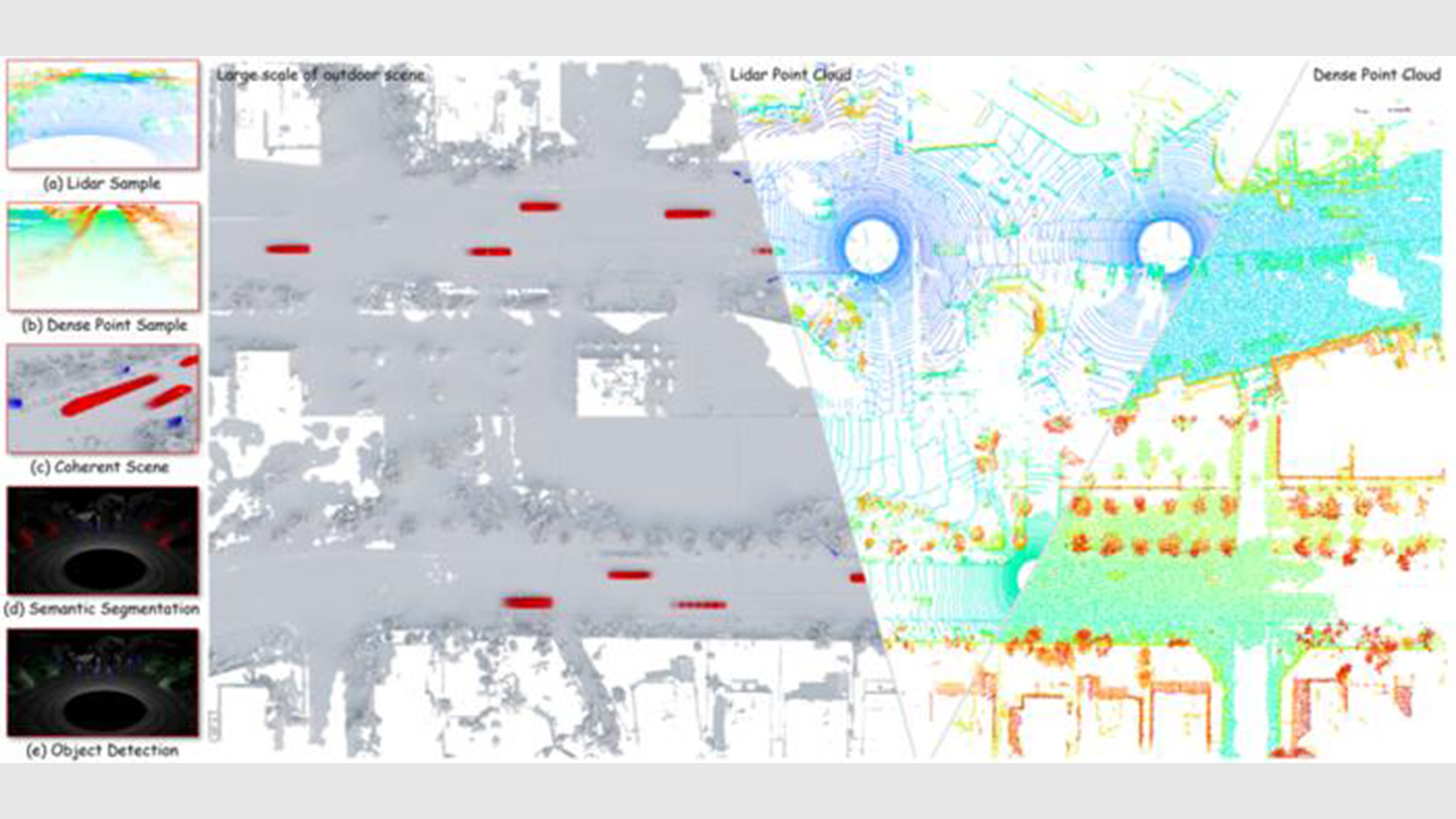
SUTD researchers develop AI framework to generate more realistic 4D LiDAR worlds for autonomous systems
HieraScaffold is an AI framework that could help autonomous-driving and robotics teams create large, dynamic simulation environments with less reliance on costly real-world LiDAR data collection.

Speaking for patients who cannot speak for themselves
SUTD researchers built an AI agent that individuals could train to voice their own end-of-life wishes, and asked what role such a system should responsibly play in rapidly ageing societies.

AI can observe child behaviour, but reading the signs takes a human expert
Researchers at SUTD show that AI can reliably identify behavioural cues in parent–child interactions, but interpreting what they mean remains a task for human experts.

A new attack reshapes the rules of Bitcoin mining
A new study by Professor Zhou Jianying and his collaborators introduces a pooled mining attack that overturns a long-standing assumption about Bitcoin’s security economics.

A win-win approach to designing cities for cars and pedestrians
SUTD researchers have developed a generative urban model that upends the notion that walkable neighbourhoods must come at the expense of road access, offering a new way to balance mobility and liveability.

SMU and SUTD Deploy Drone and AI-Driven Analytics to Improve Performance of National Swimmers
Singapore’s national swim team will get a new and improved “coach” – powered by artificial intelligence and leveraging drone technology. The system helps coaches
analyse their swimmers’ performance, including stroke duration, swimming velocity,
and the symmetry of the swimmer’s moving body, in real-time.

More than a quarter of SUTD faculty ranked top 2% of world’s best scientists for 2023
The prestigious list, as compiled by Stanford University, is based on the bibliometric information in the Scopus database and includes more than 220,000 researchers from across the globe, classified into 22 scientific fields and 174 subfields.

Better breathing with custom-fit masks for a good night’s sleep
To enhance the life quality of patients with sleep disordered breathing, researchers and clinicians led by an SUTD scientist used computational modelling to design custom-fit masks that have improved positive airway pressure treatment.