Research news
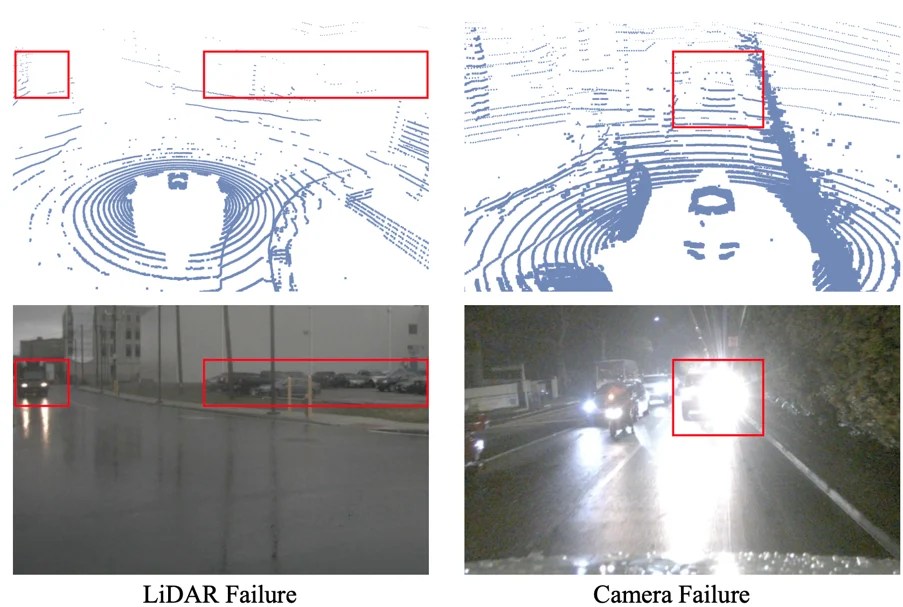
In rain and darkness, how should self-driving cars trust their sensors?
SUTD researchers have developed novel solutions that keep an autonomous vehicle’s perception accurate in rain, darkness and unfamiliar cities.

SUTD researchers develop robot that falls like a maple seed and sails like a boat
Researchers at SUTD have built a robotic platform that can be dropped from the air onto remote waters and sail autonomously using wind energy, pairing rapid aerial deployment with the potential for long duration marine monitoring.
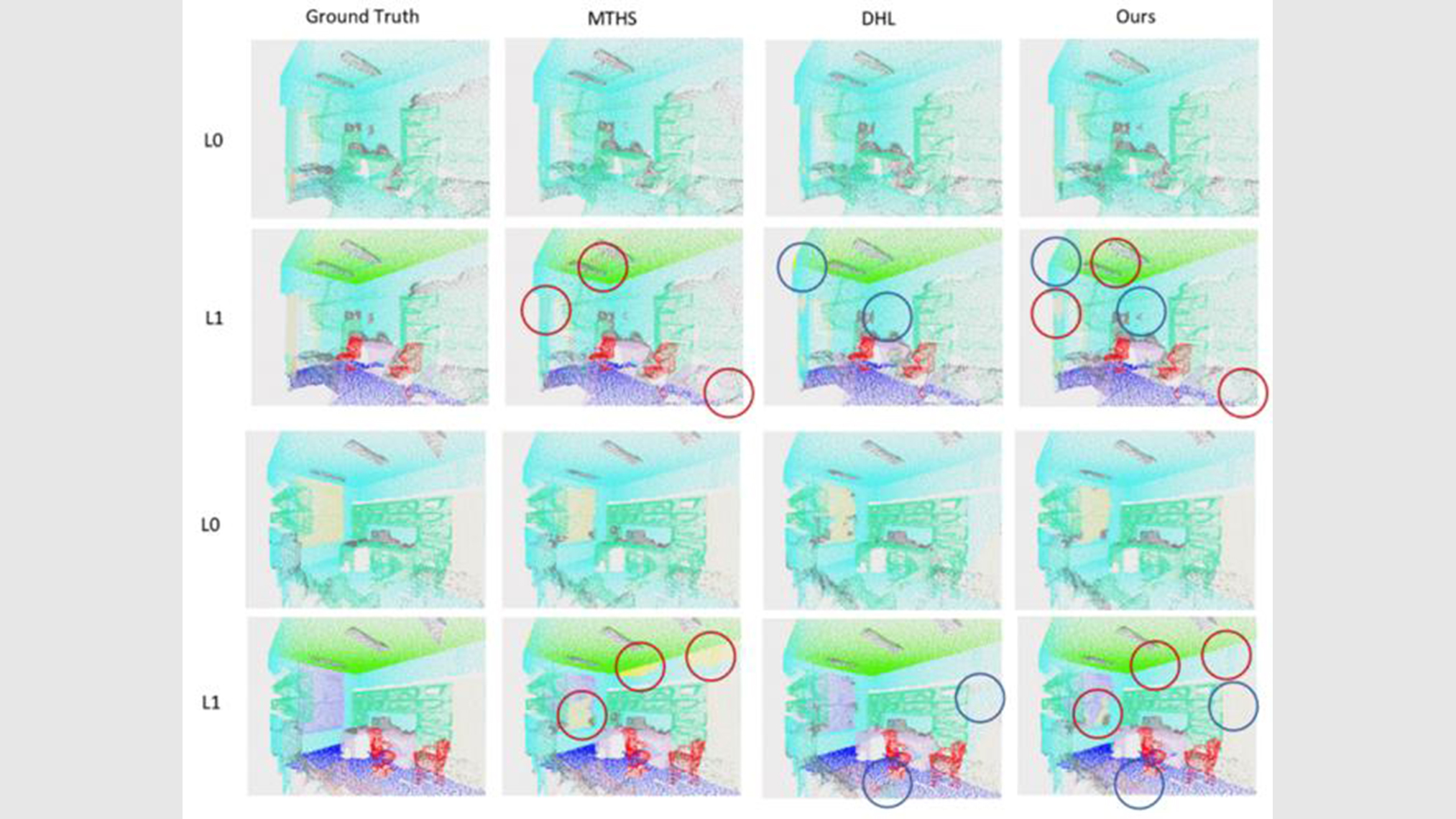
New AI framework to help machines understand 3D spaces in finer detail
A new framework developed by SUTD researchers could improve how robots, autonomous systems and augmented reality tools recognise objects and navigate complex real-world environments.
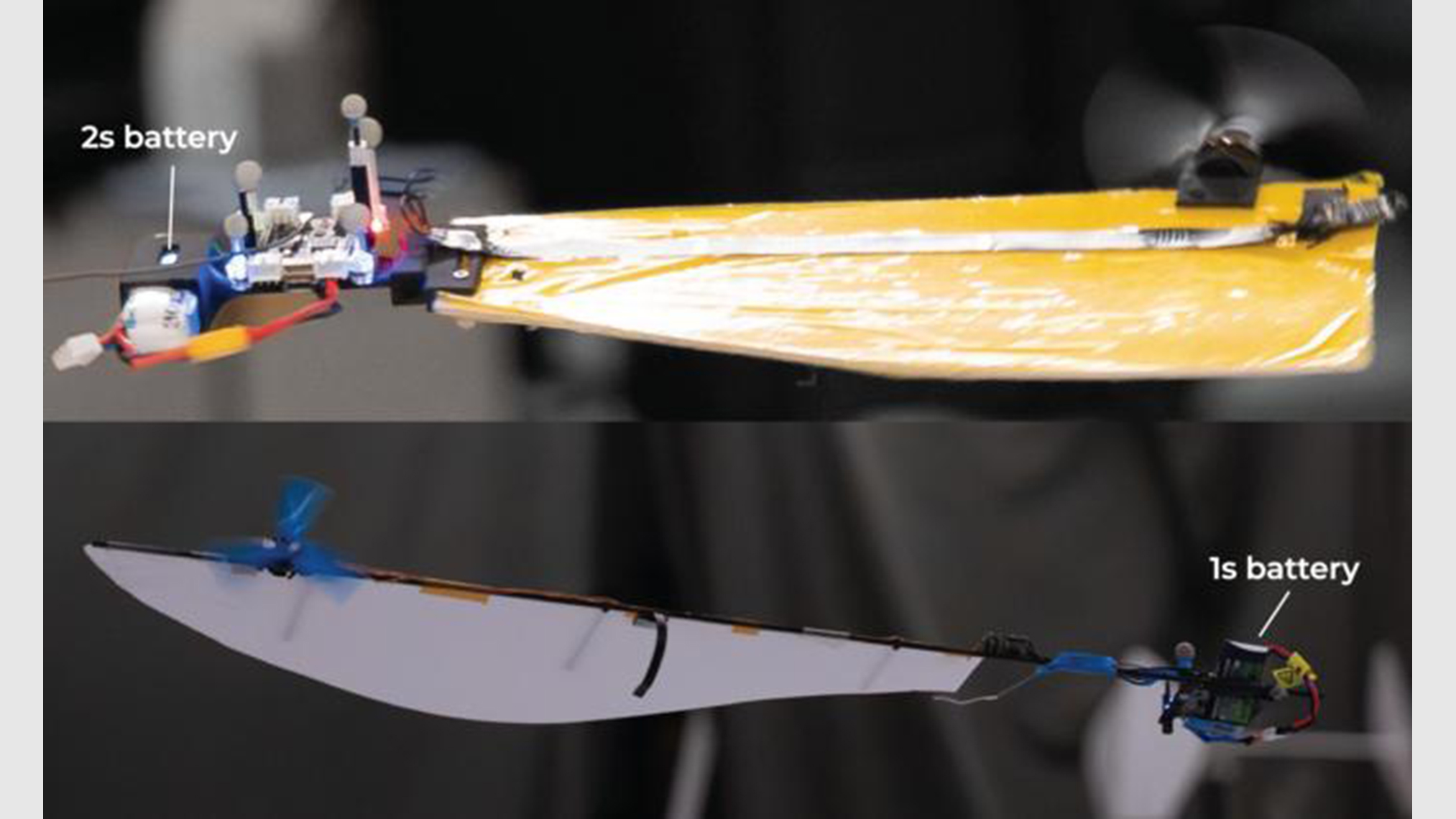
SUTD researchers improve one-motor flying robot’s accuracy on complex paths
By giving a maple-seed-inspired robot the ability to plan ahead, researchers improved its flight accuracy without adding motors or mechanical complexity.
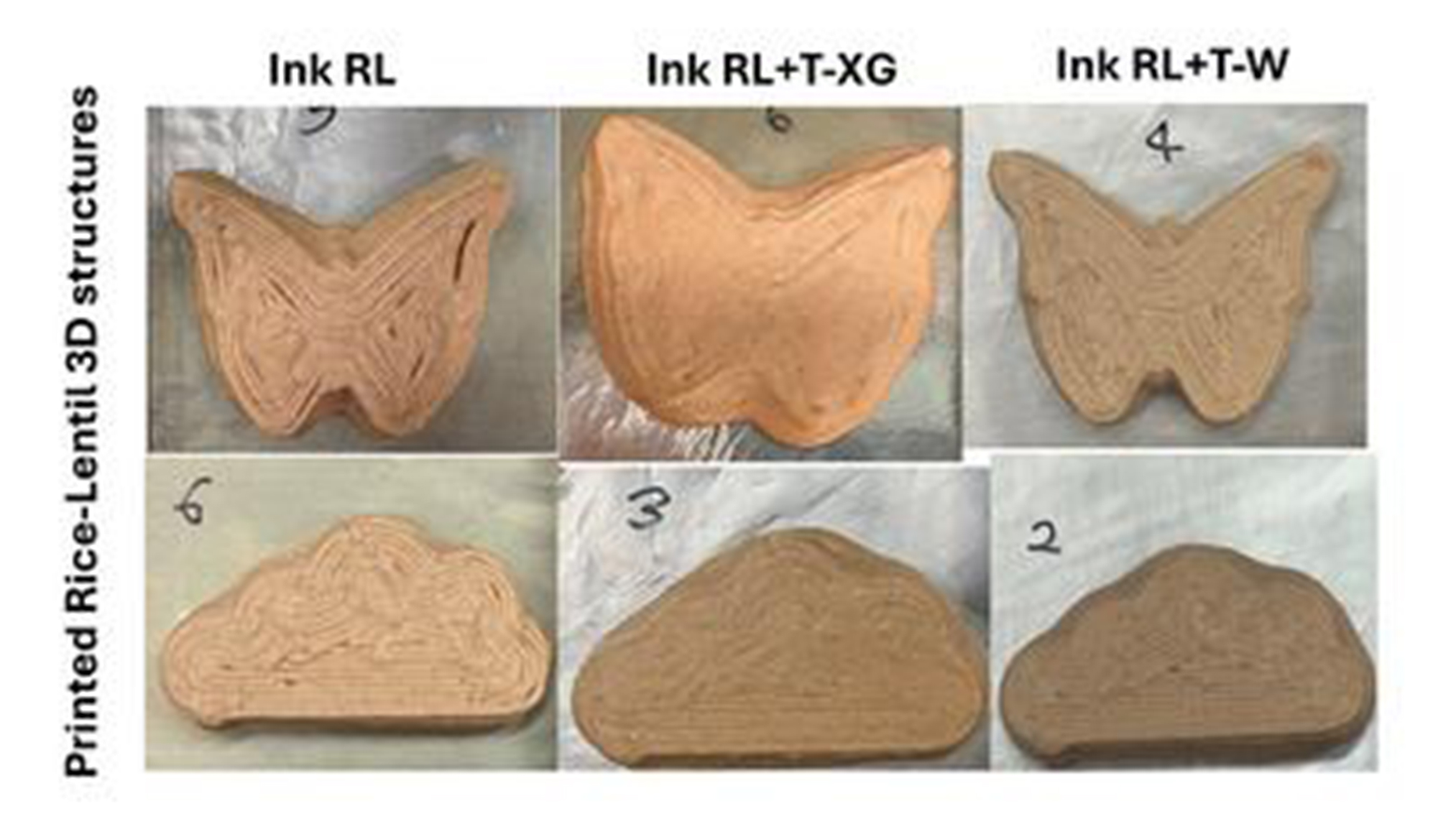
Printing balanced vegetarian dishes from rice and lentil flours
SUTD researchers have turned minimally processed rice and lentil flours into 3D-printable pastes that cook into distinctly textured foods, offering a route to complete-protein vegetarian meals that do not depend on refined protein isolates.
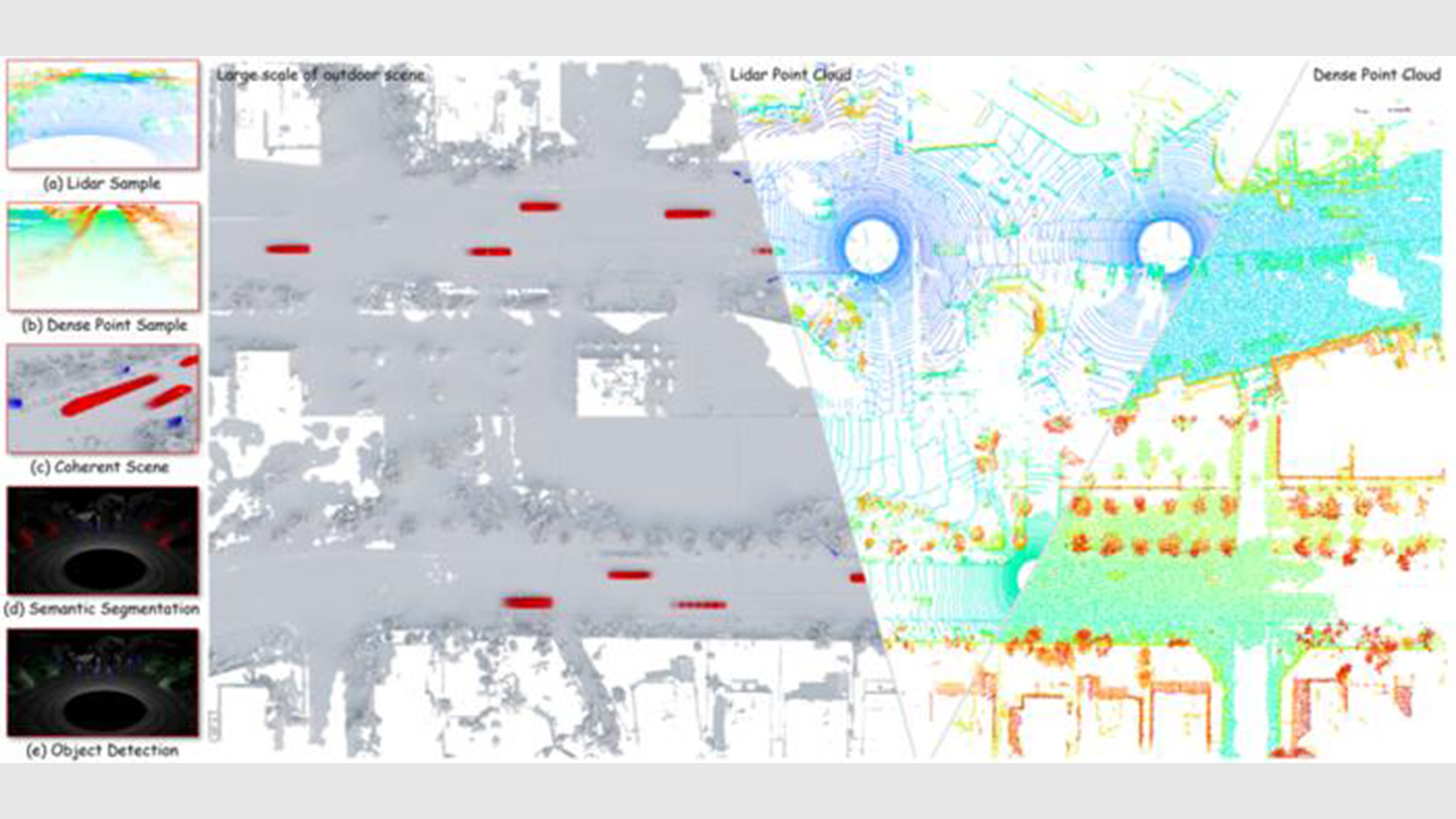
SUTD researchers develop AI framework to generate more realistic 4D LiDAR worlds for autonomous systems
HieraScaffold is an AI framework that could help autonomous-driving and robotics teams create large, dynamic simulation environments with less reliance on costly real-world LiDAR data collection.
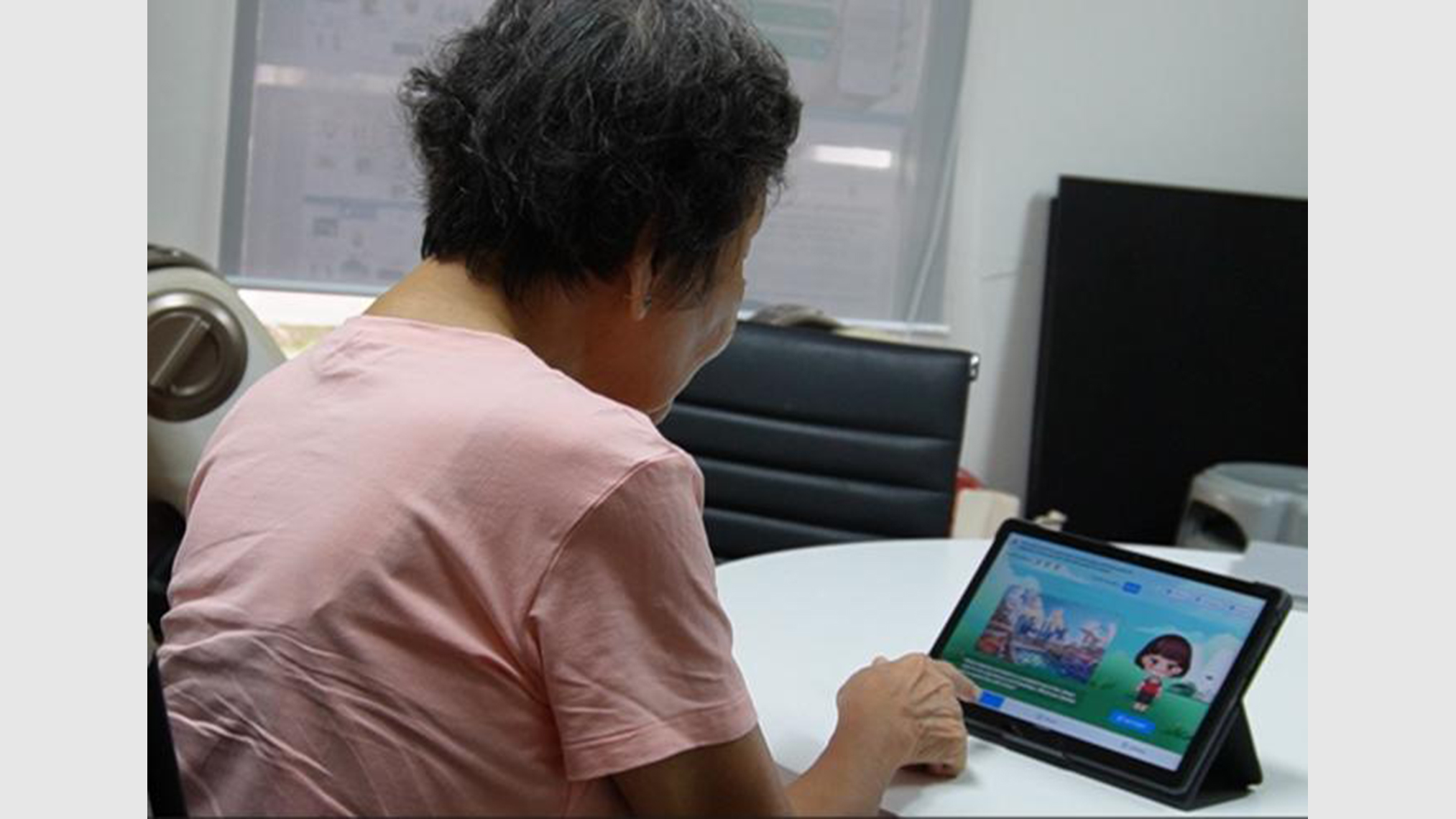
Chatbot companions win over older adults by being genuine rather than ‘human’
SUTD researchers have found that older adults are most open to embracing social chatbots that feel authentic and socially engaging but not too human, offering clear lessons for designers of AI companions.
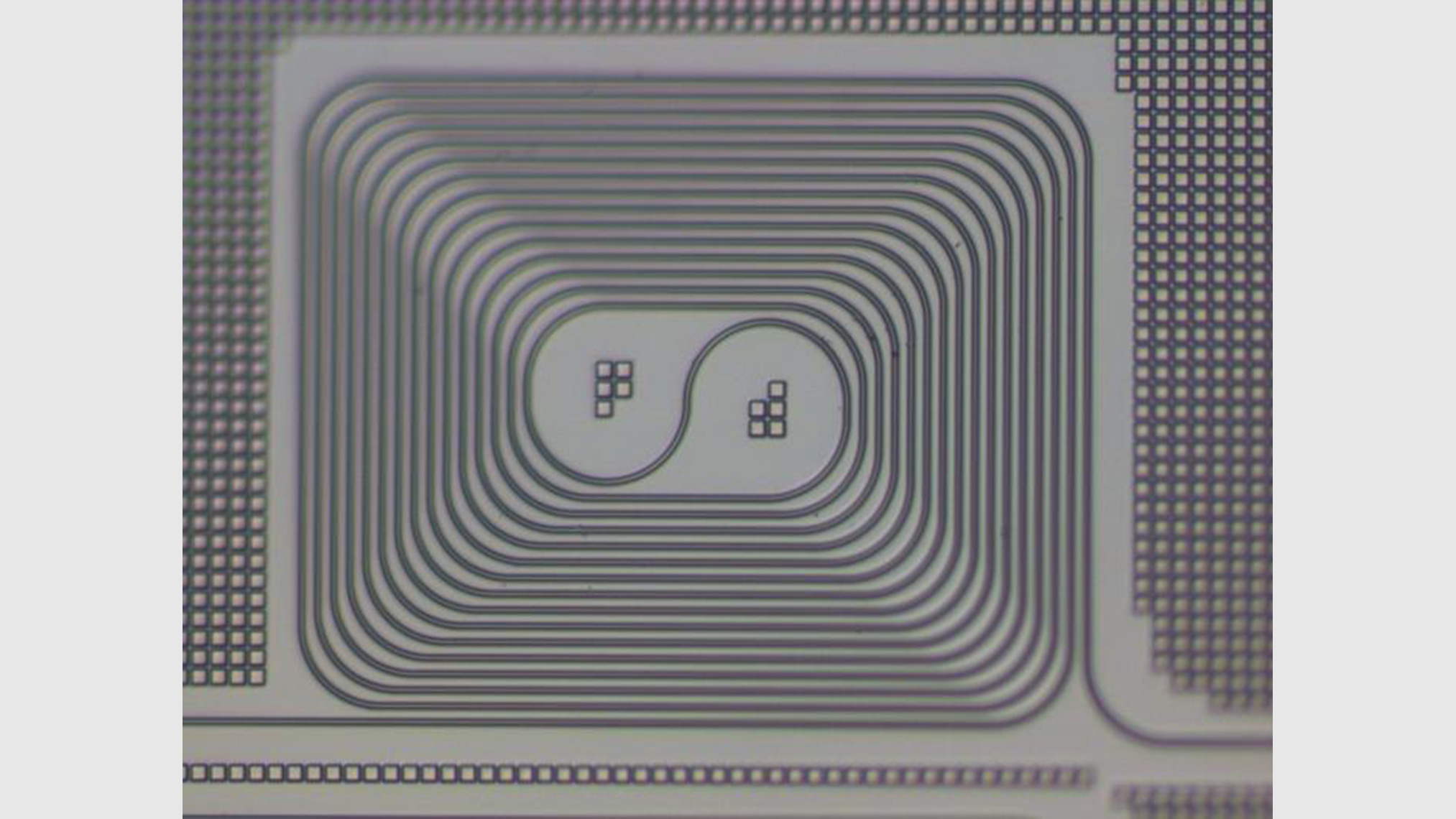
SUTD and A*STAR IME researchers enable wafer-scale broadband light generation by replacing hydrogen with a heavier isotope
The low-temperature process produces low-loss silicon nitride waveguides on an eight-inch wafer and an octave-spanning spectrum.
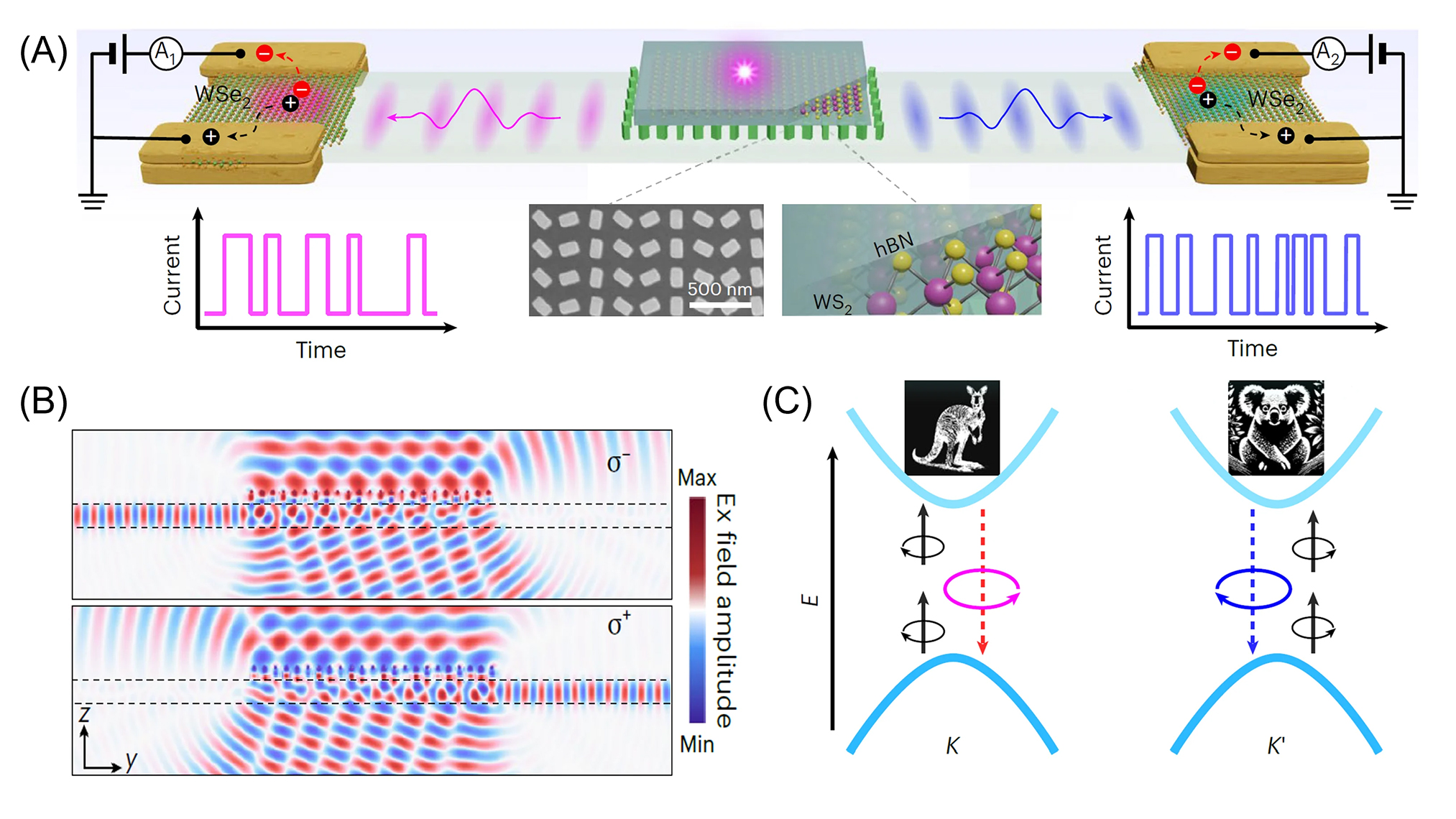
Tiny circuit turns a hidden property of electrons into a working info channel
SUTD researchers, together with international collaborators, have built a chip that writes, sorts, and electrically reads information stored in the “valleys” of an atomically thin material—all at room temperature and without bulky laboratory optics.

Modern life may be outpacing the human mind
A new conceptual review by SUTD researchers and James Cook University, Singapore, suggests that stress, loneliness and constant comparison may be linked to a mismatch between human instincts and modern environments.