Research news
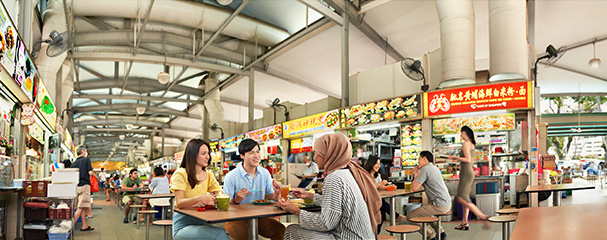
Catering to the various appetites of technology adoption in Singapore’s food centres
SUTD study shows that involving hawkers and food stall owners early in the technology implementation process is key to quicker technology adoption at their workplaces.

Transforming the world with 3D printed electronics
Written by leading experts and researchers from SUTD and NTU, ‘3D Printing and Additive Manufacturing of Electronics: Principles and Applications’ is designed to be a one-stop guide for anyone interested in the 3D printing of electronics.

Rethinking Southeast Asia’s Energy Plans
Scientists in Singapore are calling for revisions in planned hydropower expansions in light of the rapidly decreasing cost of solar photovoltaic systems.

SUTD researchers use nanoscale 3D printing to create high-resolution light field prints
SUTD researchers have used nanotechnology to create a unique print that displays a glasses-free 3D image under ordinary white light. The appearance of the image changes as the print is viewed from varying angles.

Using microorganisms to monitor water quality within minutes
SUTD researchers have demonstrated a technology that allows users with camera phones to track the health of aquatic microorganisms—assessing water quality and drinkability in the process.

New Processes for Automated Fabrication of Fibre and Silicone Composite Structures for Soft Robotics
This novel approach enables fabrication of complex and customised soft robot components, reducing time, effort and errors.
Using the environment to control quantum devices
A deeper understanding of how the environment impacts quantum behaviour is bringing quantum devices one step closer to widespread adoption.
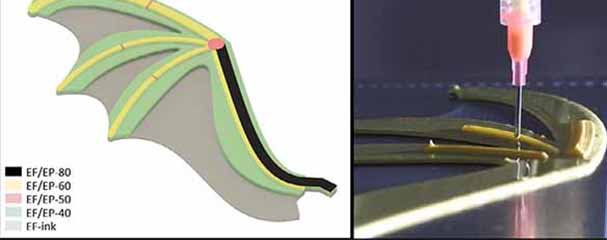
SUTD Breaks New Ground in 3D Printed Soft Robotics
Newly developed resins are tougher and will also allow for more robust integration of mechatronic components in 3D printed multi-material structures.
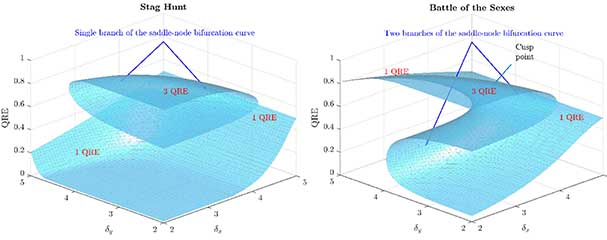
SUTD wins best paper at 35th AAAI conference on Artificial Intelligence 2021
SUTD Associate Professor Georgios Piliouras and research Stefanos Leonardos developed a novel connection which can help in the design of more efficient multi-agent AI systems.
SUTD study uncovers how big droughts in the Greater Mekong trigger CO2 emission bursts
Deeper understanding of the climate-water-energy nexus will significantly contribute towards planning and managing transnational power grids.