Research news
A butterfly’s first flight inspires a new way to produce force and electricity
The wings of a butterfly are made of chitin – SUTD researchers uncover the promising capability of chitin as a sustainable smart biomaterial.
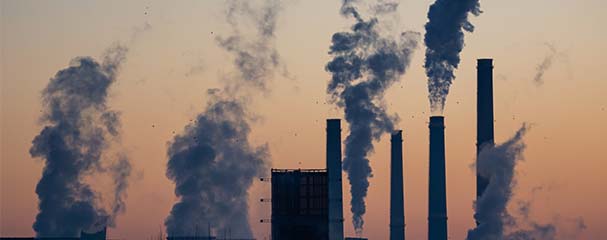
2D Nanosheets for Sustainable Carbon Capture
SUTD and A*STAR researchers produced an energy-efficient technique to rapidly synthesise 2D mica nanosheets for effective carbon dioxide capture.
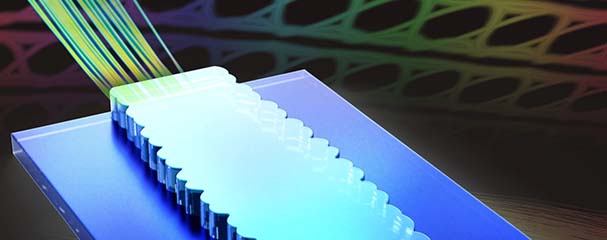
Chip-based dispersion compensation for faster fibre internet
SUTD scientists developed a novel CMOS-compatible, slow-light-based transmission grating device for the dispersion compensation of high-speed data, significantly lowering data transmission errors.
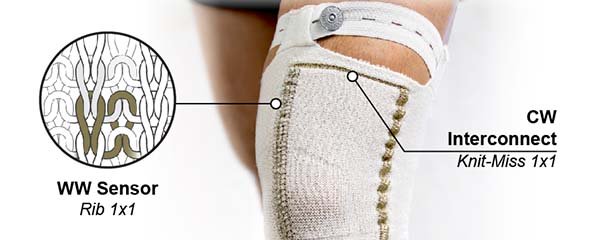
Stretchable knee wearable offers insight into improving e-textiles for healthcare
SUTD researchers developed a fully knitted, circuit-embedded knee wearable for wireless sensing of joint motion in real-time. Compared to other knitted electronics, this model has fewer externally integrated components and a more sensitive sensor, making it less error-prone.

Casting light on counterfeit products through nano-optical technology
SUTD led research in a 3D printed optical security label with nano-sized features. It taps on ambient light sources and is harder to crack due to its 33100 possible combinations.
Physicists’ review paper on quantum transport could pave the way to improved energy management at the nanoscale
The insights from the review could lead to the innovation of novel materials and devices to manage and control transport at the nanoscale.
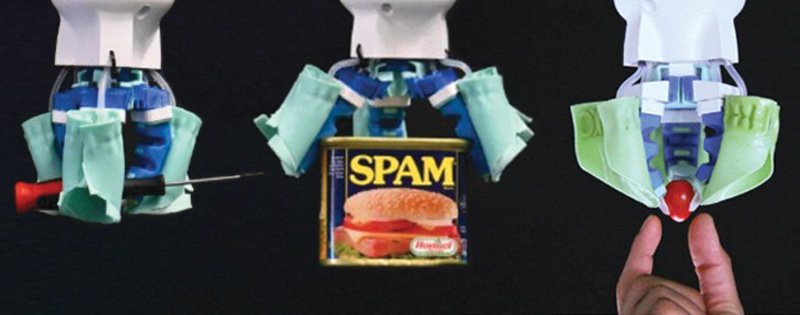
Need a hand? This robotic hand can help you pick your food items and plate your dish
From tiny grains of rice to a water bottle, the robotic hand designed by SUTD can pick and place items safely and reliably to meet the dynamic demands of food, logistics and consumer goods industries.
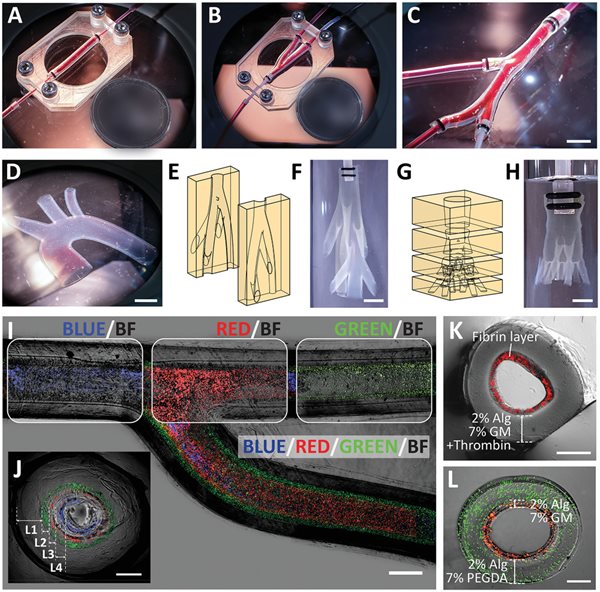
SUTD researchers turn to age-old molding technique to 3D-print cell-laden vascular models
The biofabricated vascular models will pave the way for drug development and deeper understanding of cardiovascular diseases.
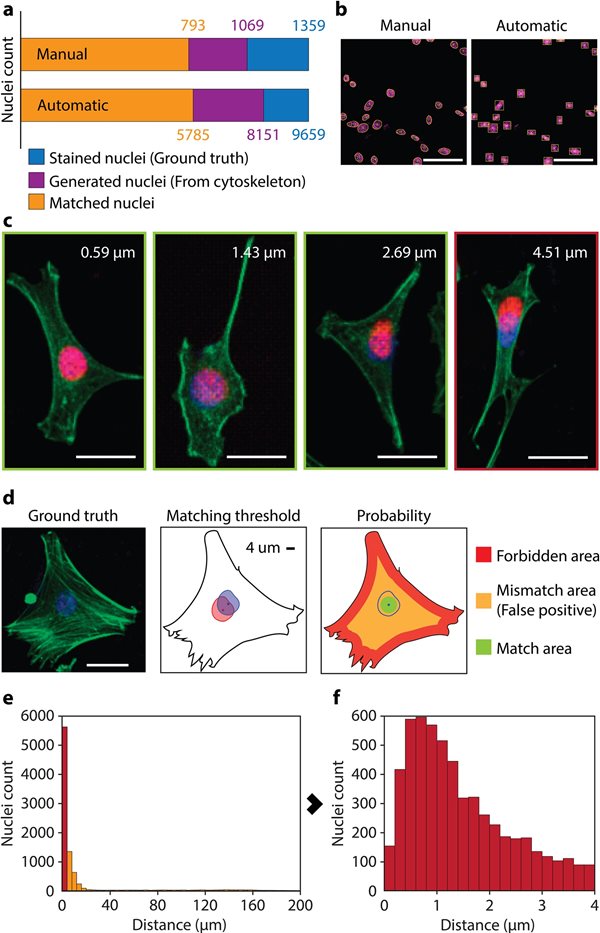
SUTD researchers unravel cell biology through artificial intelligence
Previously limited by the human interpretation of reality, one of the most basic principles of cell biology can now be demonstrated using machine learning.
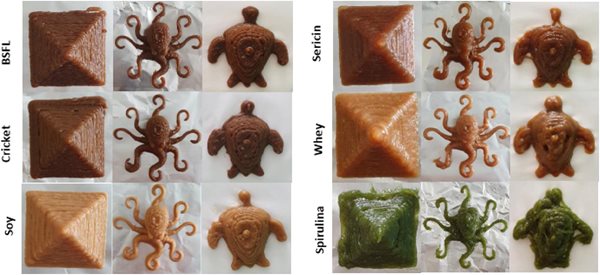
Fancy a side of 3D printed carrots and crickets with your meal?
Singapore based research team addresses food supply challenges through a more systematic and efficient 3D food printing approach to dish up alternative protein sources including algae, plant and insects.