Research news
Physicists’ review paper on quantum transport could pave the way to improved energy management at the nanoscale
The insights from the review could lead to the innovation of novel materials and devices to manage and control transport at the nanoscale.

SUTD researchers develop a novel reconfigurable device that can bridge the gap between processor and memory
The device works both as a reconfigurable memory component and as a programmable shift register.
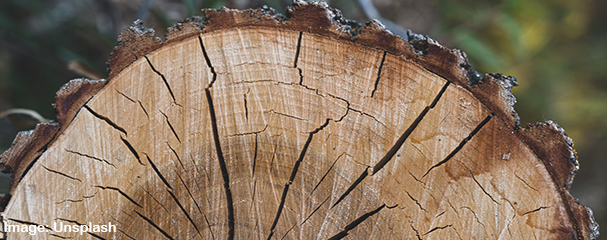
Tree rings reveal 400 years of rainfall patterns, forecasting an increase in extreme weather conditions in Pakistan and Afghanistan.
Tree rings forecast an increase in extreme weather conditions in Pakistan and Afghanistan
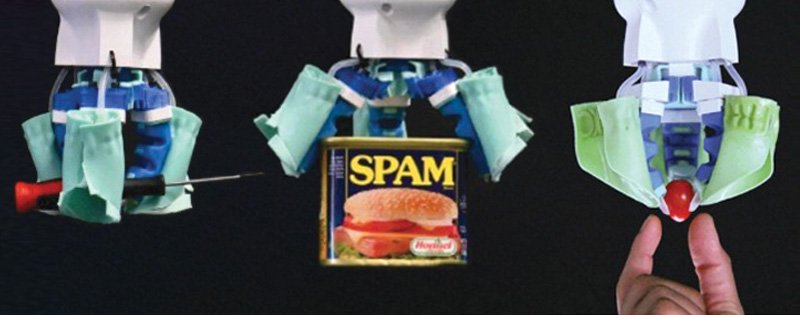
Need a hand? This robotic hand can help you pick your food items and plate your dish
From tiny grains of rice to a water bottle, the robotic hand designed by SUTD can pick and place items safely and reliably to meet the dynamic demands of food, logistics and consumer goods industries.
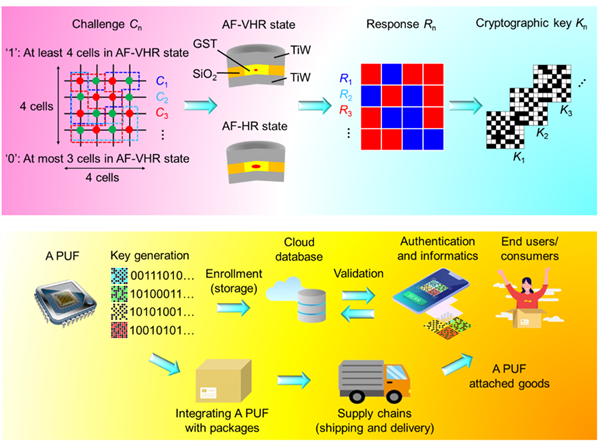
SUTD researchers developed phase-change key for new hardware security
A new type of reconfigurable, scalable, low power hardware security device with high resilience to AI attacks has been developed.
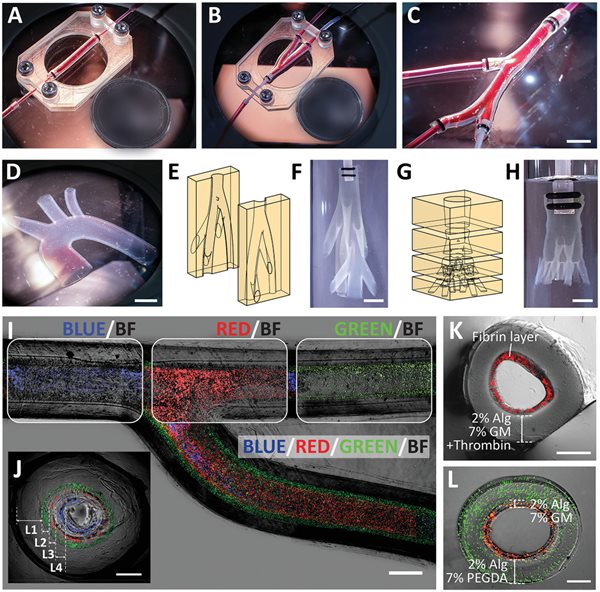
SUTD researchers turn to age-old molding technique to 3D-print cell-laden vascular models
The biofabricated vascular models will pave the way for drug development and deeper understanding of cardiovascular diseases.

Cooperation among hydropower producers could hold the answer to reviving the mighty Mekong
Scientists in Singapore show that restoring natural water availability to the Mekong’s floodplains is possible.

Improving urban growth models with fractional calculus
The mathematical tool accounts for complex systems where changes do not occur instantaneously, making it more suitable for studying cities.
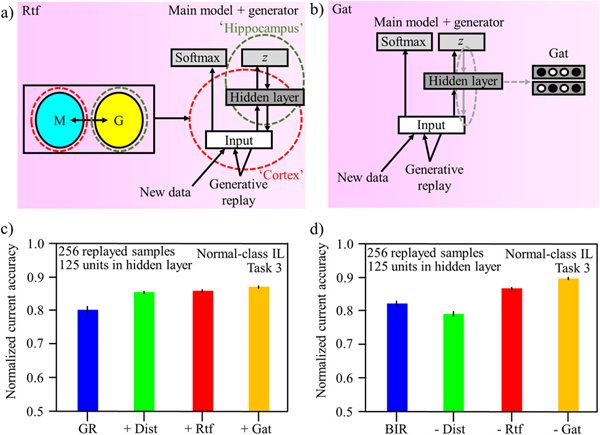
SUTD researchers develop new strategies to teach computers to learn like humans do
A new type of code to realise an energy-efficient continual learning system has been recently designed by a team of researchers.
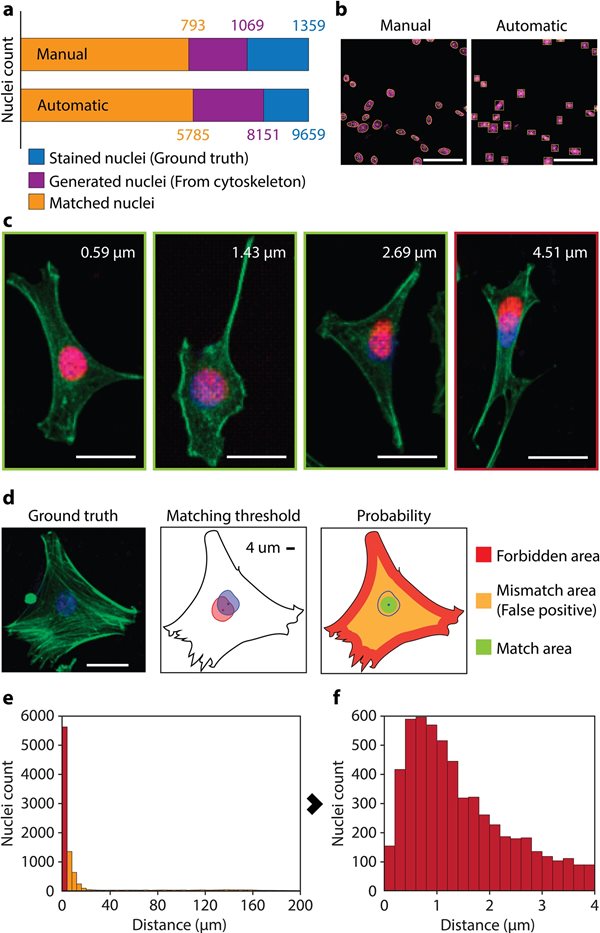
SUTD researchers unravel cell biology through artificial intelligence
Previously limited by the human interpretation of reality, one of the most basic principles of cell biology can now be demonstrated using machine learning.