Research news
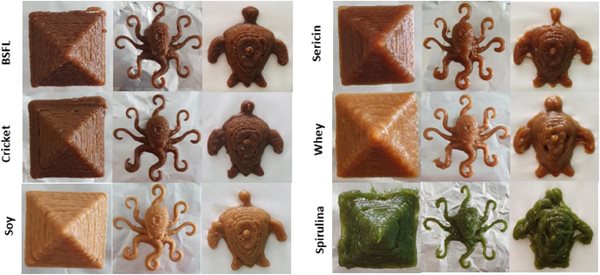
Fancy a side of 3D printed carrots and crickets with your meal?
Singapore based research team addresses food supply challenges through a more systematic and efficient 3D food printing approach to dish up alternative protein sources including algae, plant and insects.
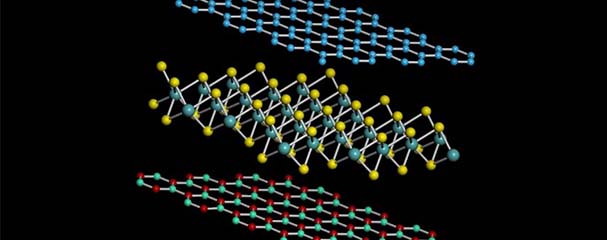
LEGO stacking of 2D materials brings us a step closer to ultracompact memory and spintronic tech
Different species of 2D materials can be ‘LEGO-stacked’ into a van der Waals heterostructure; SUTD scientists designed a novel functional 2D hybrid material for ultracompact memory and spintronic device applications.
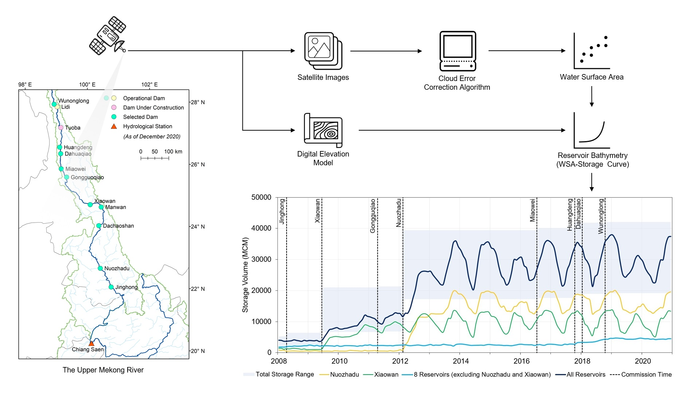
SUTD study uncovers how China’s dams are operated along the Lancang-Mekong river
Detailed knowledge about water release decisions from big hydropower dams allows for more effective transboundary water management efforts.

Teaching underwater stingray robots to swim faster and with greater precision using machine learning
Researchers developed a new approach to model the dynamics of underwater stingray-like robots, enabling more efficient swimming in complex underwater environments.
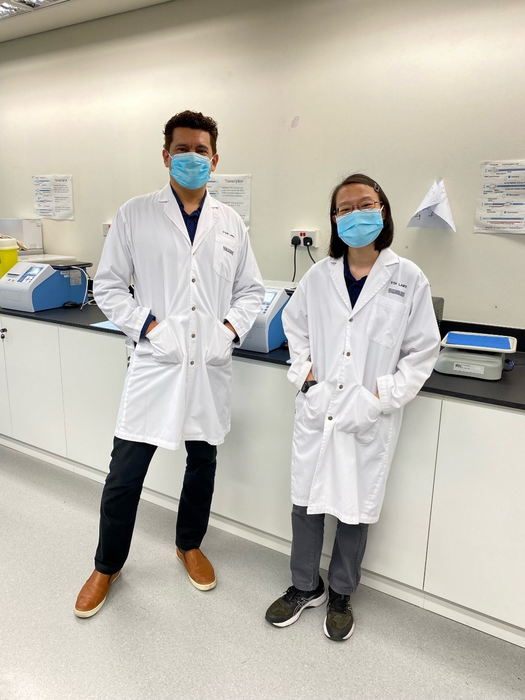
SUTD develops design-based activity to enhance students’ understanding in electrochemistry
The electrochemistry designette enables students to visually demonstrate their proficiency in electrochemistry, and allows for instructors’ quicker intervention when misconceptions arise.
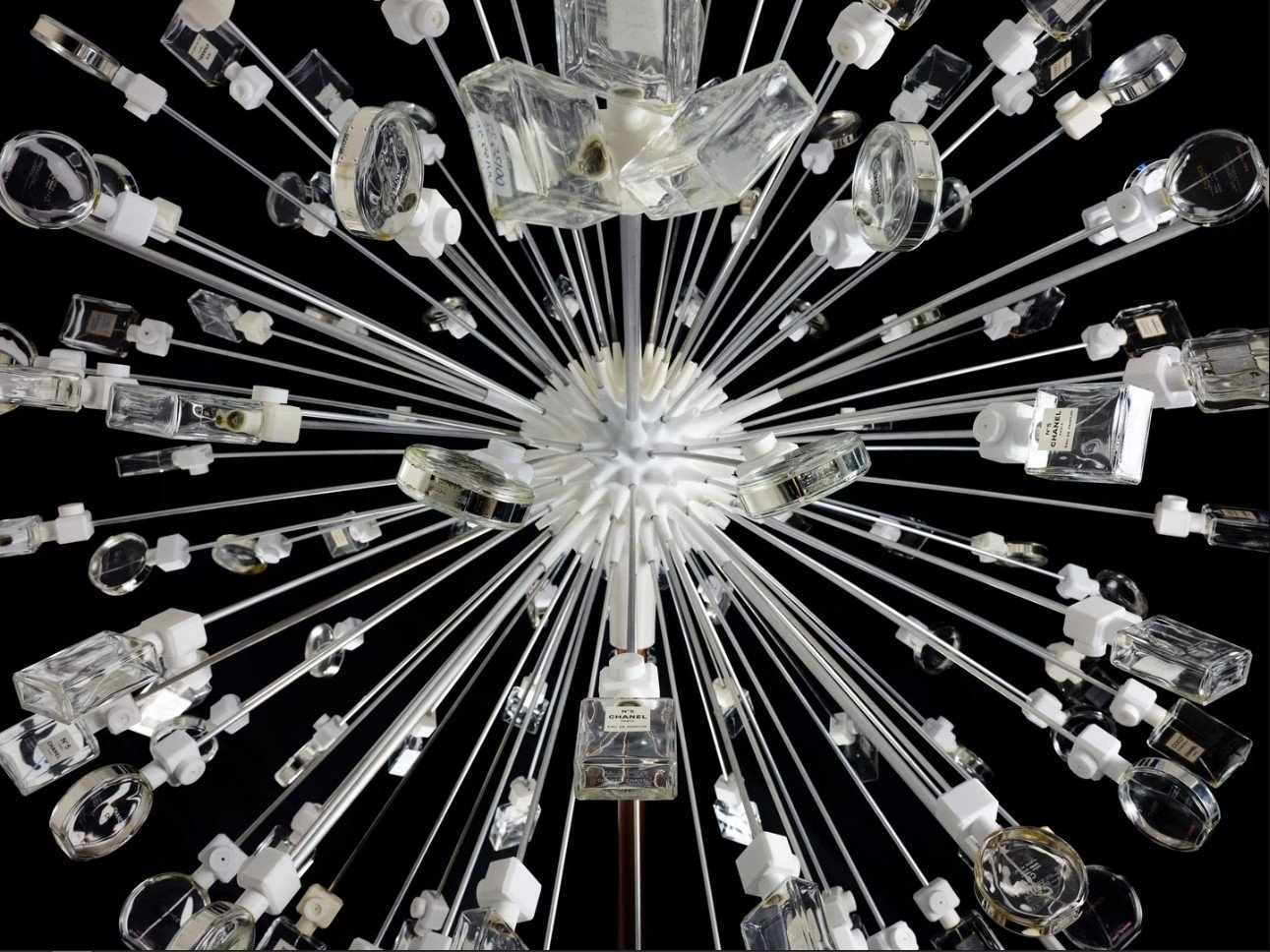
Chandelion: Chanel x AirLab SUTD for Circularity
Chandelion: Chanel x AirLab SUTD for Circularity

What is a conductive Nernst Equation, and how will it transform technology? – A 133-year electrochemical conundrum
Researchers developed first principles-based charge transport equations for electrode-electrolyte current modelling.
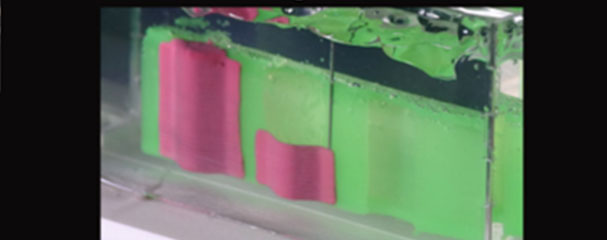
SUTD unlocks new method to 3D print complex, functional components for soft robotics
With the enhancement of Freeform Liquid 3D Printing, engineers and designers are now able to fabricate more intricate, yet stronger 3D printed soft robots.
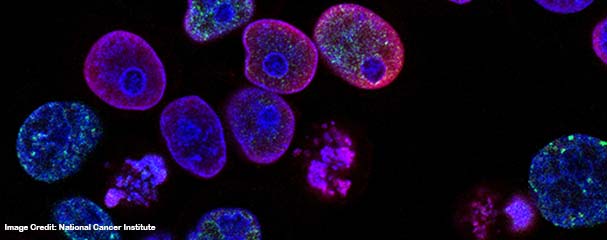
SUTD researchers develop low-cost electroporation device that could expand global access to cancer drugs
SUTD developed a microsize-gap multiple-shot electroporation (M2E) device that could improve the effectiveness of delivering cancer drugs at a lower cost, globally.
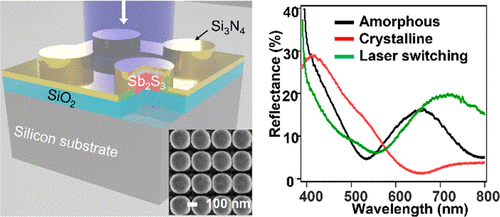
SUTD sets its sights on chalcogenide nanostructured displays
An Earth abundant material, antimony trisulphide, shows potential for high resolution video displays.