Research news

AI can observe child behaviour, but reading the signs takes a human expert
Researchers at SUTD show that AI can reliably identify behavioural cues in parent–child interactions, but interpreting what they mean remains a task for human experts.

Speaking for patients who cannot speak for themselves
SUTD researchers built an AI agent that individuals could train to voice their own end-of-life wishes, and asked what role such a system should responsibly play in rapidly ageing societies.
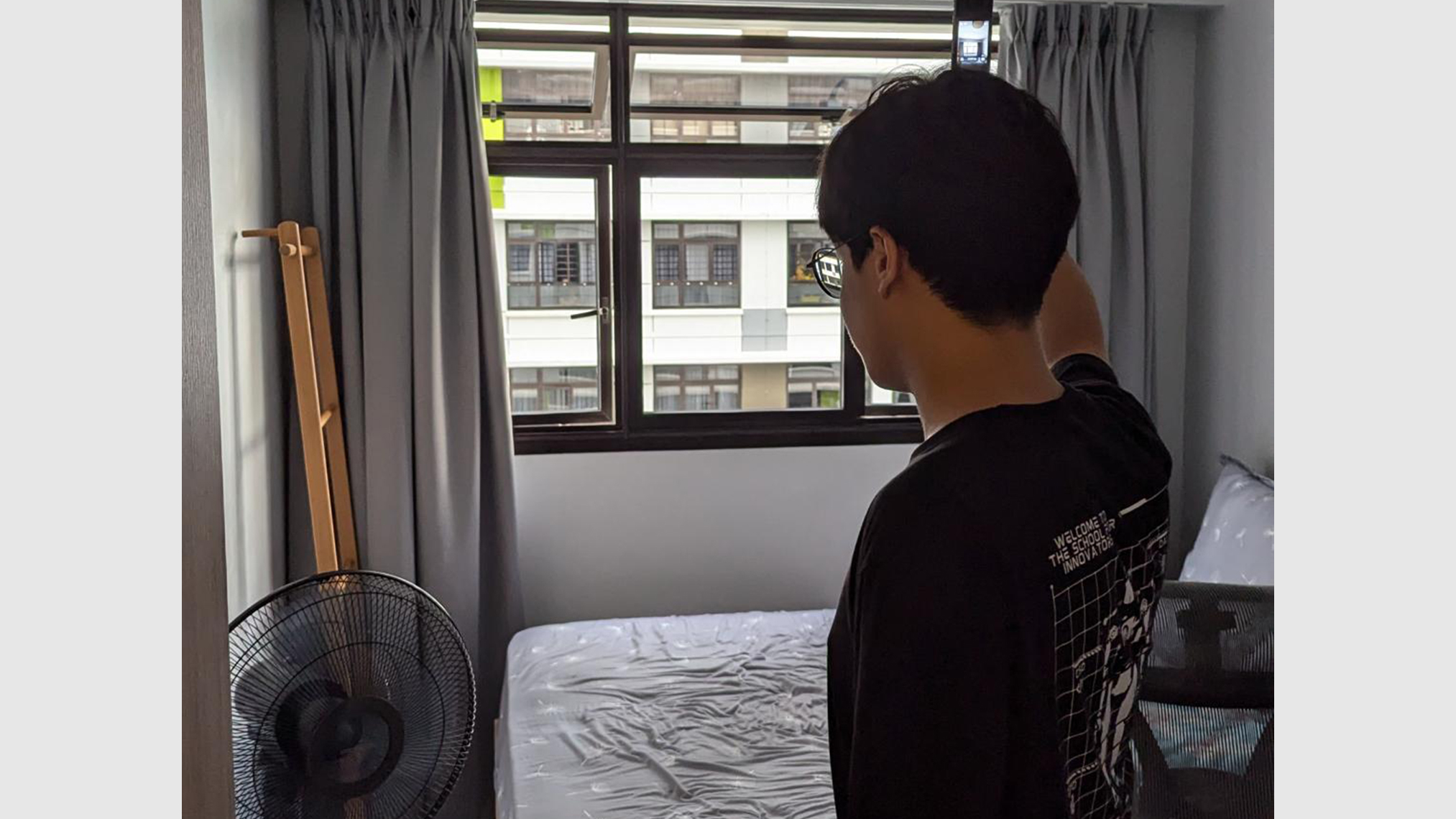
SUTD study shows why comfort at home is more than a temperature issue
Research led by the Singapore University of Technology and Design finds that comfort in Singapore homes depends not only on air-conditioning and building design, but also on airflow, daily routines and how families share their living spaces.

Modern life may be outpacing the human mind
A new conceptual review by SUTD researchers and James Cook University, Singapore, suggests that stress, loneliness and constant comparison may be linked to a mismatch between human instincts and modern environments.

Teaching AI to design optical surfaces using real-world imperfections
A study co-led by an SUTD researcher has developed an AI-powered deep-learning framework trained on experimental data rather than simulations, enabling faster and more accurate design of light-controlling nanostructures.
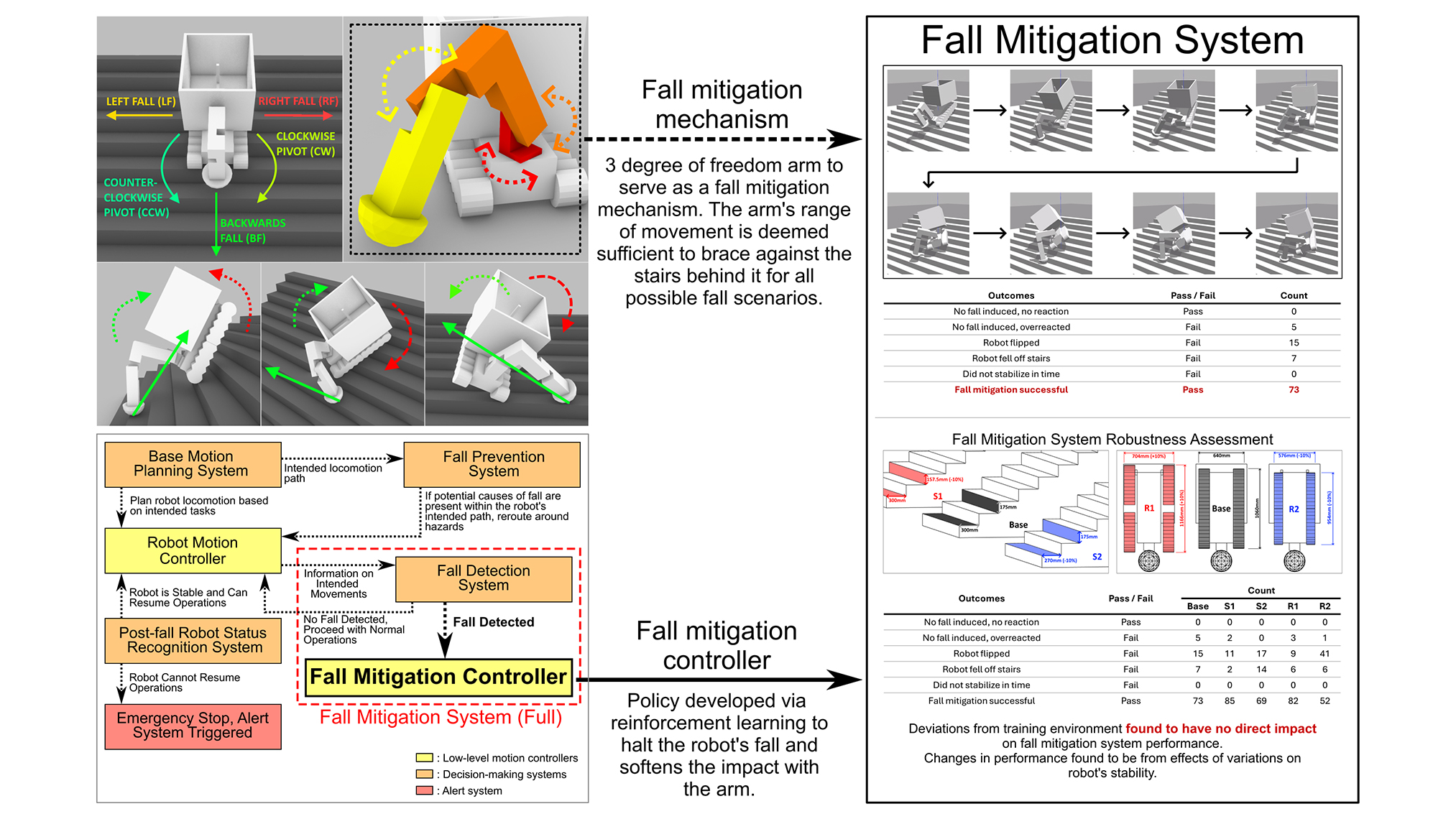
A stair-climbing robot that catches itself when it falls
SUTD researchers have developed a reinforcement-learning-based safety system that teaches a stair-traversing service robot to brace itself mid-fall, addressing one of the biggest barriers to deploying autonomous robots on staircases.
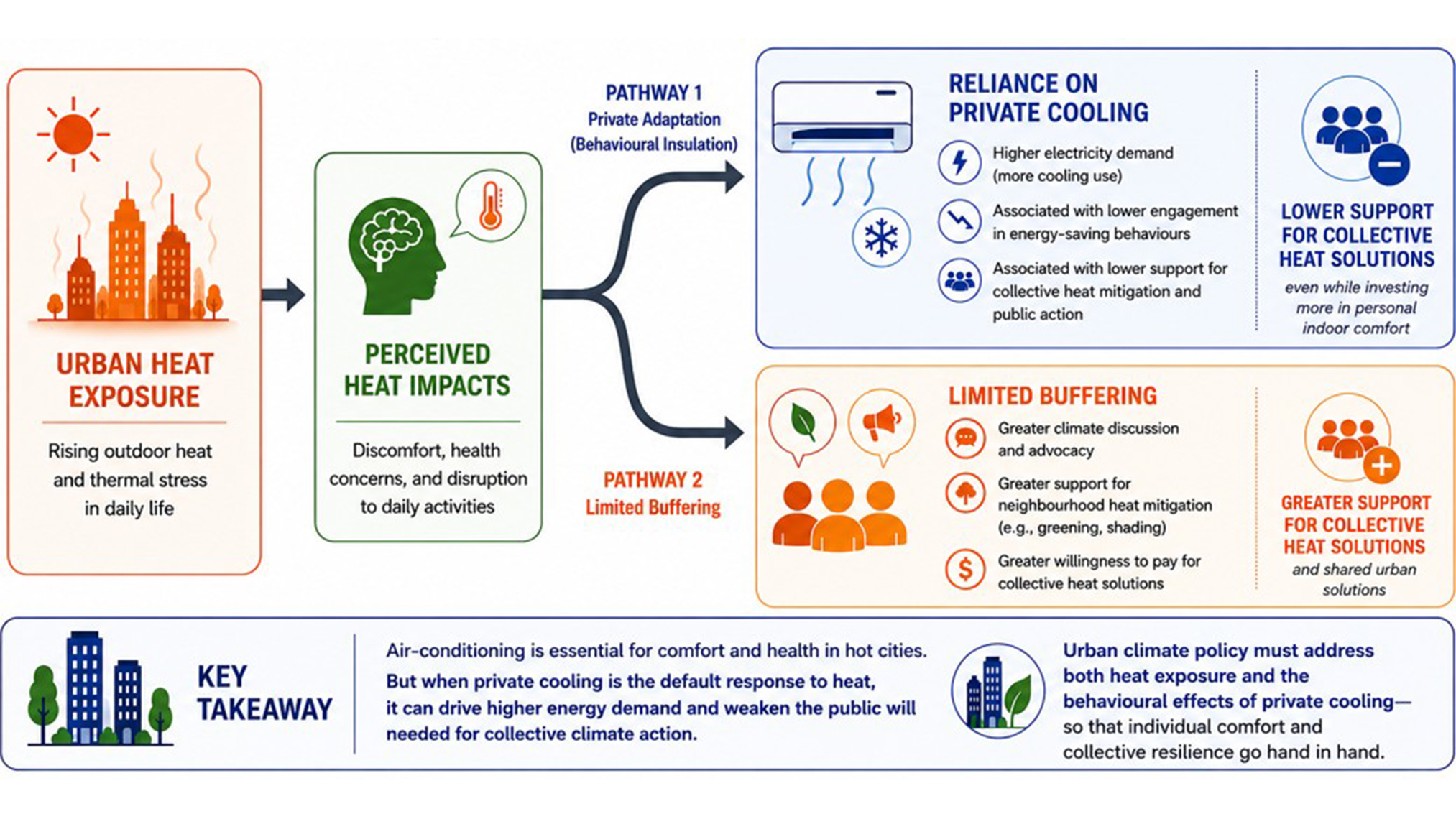
Air-conditioning cools homes but may weaken climate action
New research from Singapore University of Technology and Design and the Singapore-ETH Centre finds that private cooling may protect people from heat while reducing the perceived urgency of broader urban climate solutions — a pattern the researchers call “behavioural insulation”.
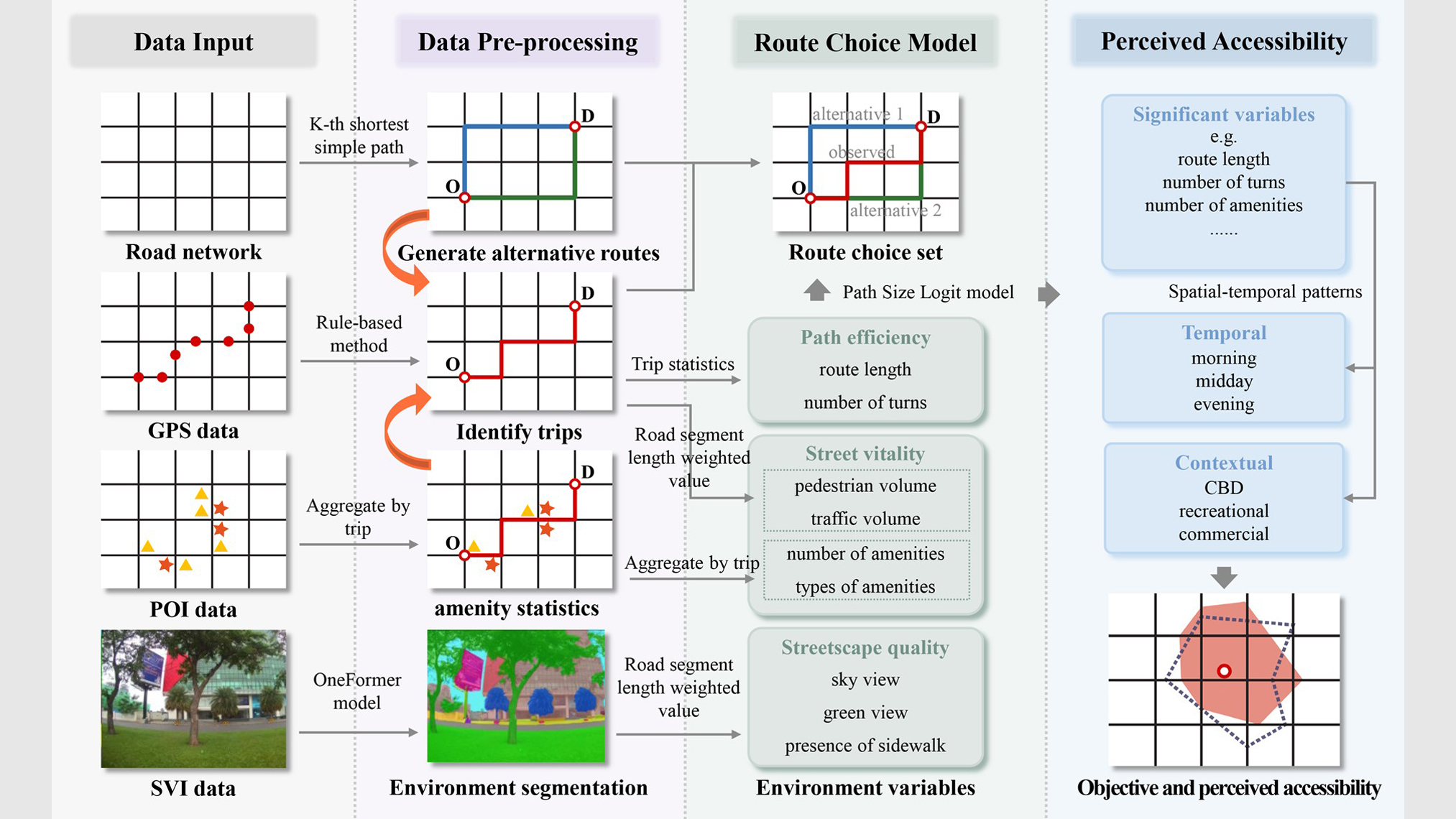
GPS data reveals why pedestrians in Phnom Penh rarely walk the shortest route
SUTD researchers used mobile phone GPS traces, street view imagery, and open-source spatial data to show that pedestrian route choices in a rapidly developing city are shaped far more by street conditions and context than by distance alone.

A new attack reshapes the rules of Bitcoin mining
A new study by Professor Zhou Jianying and his collaborators introduces a pooled mining attack that overturns a long-standing assumption about Bitcoin’s security economics.

A win-win approach to designing cities for cars and pedestrians
SUTD researchers have developed a generative urban model that upends the notion that walkable neighbourhoods must come at the expense of road access, offering a new way to balance mobility and liveability.