

Designing the Future: How SUTD Students Are Building a Smarter, Greener World
When six final-year students at the Singapore University of Technology and Design (SUTD) began their capstone project, they shared a common goal: to make it easier for architects and engineers to design low‑carbon projects. Informed by their personal experiences and research, the team of budding innovators sought to close the critical gap between national sustainability goals and the day-to-day practice in architecture and engineering firms. The result was CarbonSmart, an automated embodied carbon calculator that can generate results in a visually engaging format within minutes, instead of weeks.
“From the beginning, we knew we wanted to create something that could bring about meaningful change to architectural practice,” shared team member Vanessa Ann Lim. “Embodied carbon is one of the least understood yet most urgent sustainability aspects of the built environment. CarbonSmart is our response to that challenge.”
Existing methods of calculating embodied carbon are known to be tedious. They typically involve input from multiple stakeholders, inconsistent data formats, and manual work, taking up to two weeks for a single design iteration. Since building projects typically have multiple iterations, calculating embodied carbon is burdensome and firms struggle to prioritise it amid competing demands and tight timelines. CarbonSmart, on the other hand, addresses these pain points and frees architects and engineers to focus on design decisions rather than wrestling with data calculations. By streamlining complex assessment processes and integrating into existing regulatory and project workflows, the tool helps teams consider carbon impact at the earliest design stages, when changes are easiest and most cost-effective to make.
Turning a hard problem into an opportunity
Embodied carbon refers to greenhouse gases emitted during the extraction, manufacturing, transport, and assembly of building materials. Historically, efforts to reduce the carbon footprint of buildings were focused on operational carbon, that is, the building’s daily energy usage. However, as operational carbon became easier to manage and reduce, embodied carbon, which had been relatively neglected, came under the spotlight. Unlike operational carbon, which can be improved over time through efficiency upgrades or retrofitting, embodied carbon is permanent from day one and cannot be reversed. While this makes embodied carbon more urgent than ever to address, the reality is that calculating it has been so time-consuming and technically demanding that many design teams either delay it or skip it altogether, particularly in the early design phase.
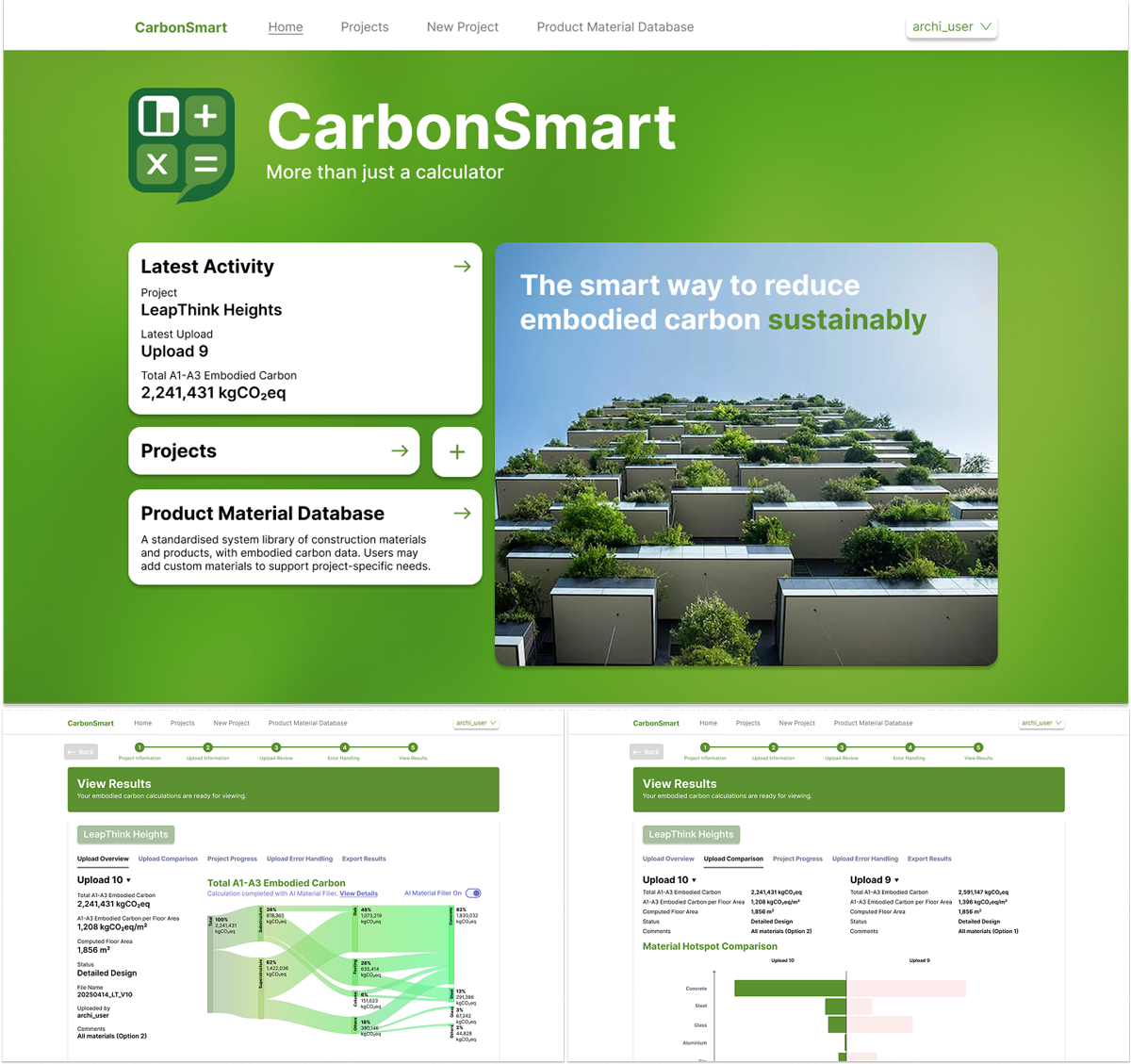
Figure 1: CarbonSmart user interface
With CarbonSmart, building teams can realistically reduce their carbon footprint upfront, which also sets the foundation for lower operational carbon over a building’s lifetime. By leveraging the openBIM Industry Foundation Classes (IFC) file format, a vendor-neutral standard used across the global building industry, CarbonSmart reads and standardises data from different software platforms without requiring stakeholders to abandon their existing tools or learn new ones. This makes adoption frictionless, allowing architects, engineers, and consultants to continue in familiar design environments. CarbonSmart also automatically detects relevant data in the IFC, reducing the need for manual input.
The platform then turns this data into visual, actionable feedback to support design iterations and collaboration. Because the underlying data is standardised, teams can compare options easily, test low-carbon material choices, and export audit-friendly documentation to support regulatory submissions. Even where material data is incomplete or contains typographical errors, CarbonSmart’s AI material filler learns from past inputs to suggest the best fit, further reducing the need for manual input while improving efficiency and accuracy.
Looking to the future, the student team designed CarbonSmart to integrate with FulcrumHQ, a cloud-first platform designed by LeapThought, which would form the foundation of Singapore’s next generation regulatory system and support the nation’s construction industry transformation. “In this way, CarbonSmart is not just an academic prototype, but a potential extension of the same ecosystem that is already transforming how Singapore builds,” Vanessa noted.
Capstone to global stage
CarbonSmart emerged from the SUTD Capstone Programme, which pairs interdisciplinary student teams with industry partners to build solutions for real-world issues. From the beginning, LeapThought regarded the six students as collaborators, giving them autonomy to shape the project while giving them guidance where needed. The high standards set by LeapThought and the trust in the student team enabled them to take ownership of their work, grow in confidence, and translate classroom learning into a solution that aligned with both project goals and national sustainability goals.
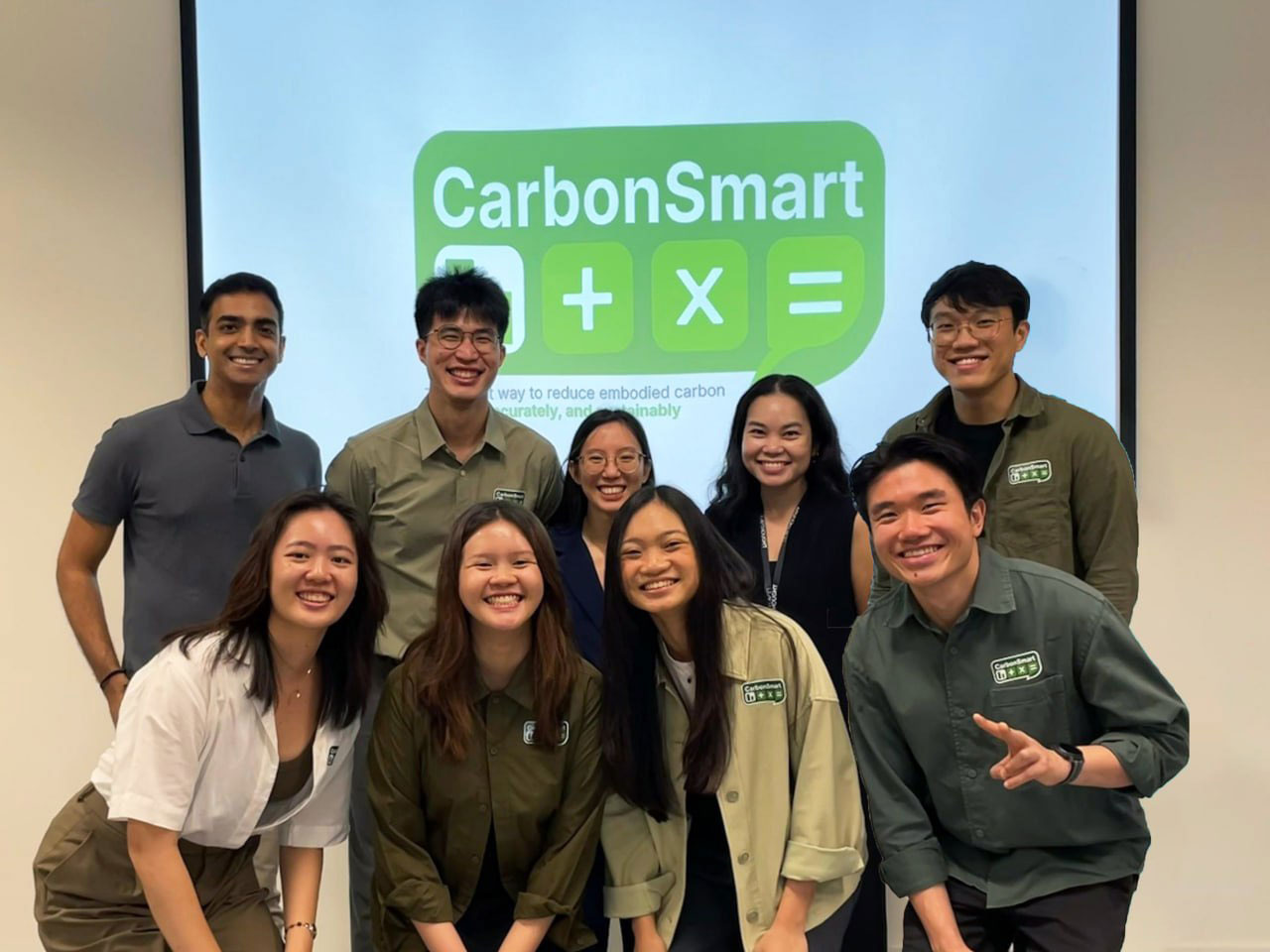
Figure 2: CarbonSmart team with LeapThought mentors
This partnership also anchored the project in real-world pain points, enabling the team to design CarbonSmart with greater relevance. Through interviews with practitioners and the team’s own work experience, they observed that sustainability assessments were often treated as a late-stage checklist rather than a strategic design tool. This enabled CarbonSmart to achieve the level of user validation that propelled it to the openBIM Awards by buildingSMART.
In fact, CarbonSmart first gained recognition at InspireCon 2025, where SUTD students’ final-year capstone projects were showcased to peers, faculty, and industry visitors. After receiving enthusiastic feedback from users and LeapThought, the student team became confident that CarbonSmart could benefit firms that already work with or are transitioning to openBIM. This led to the team entering the international openBIM Awards by buildingSMART.
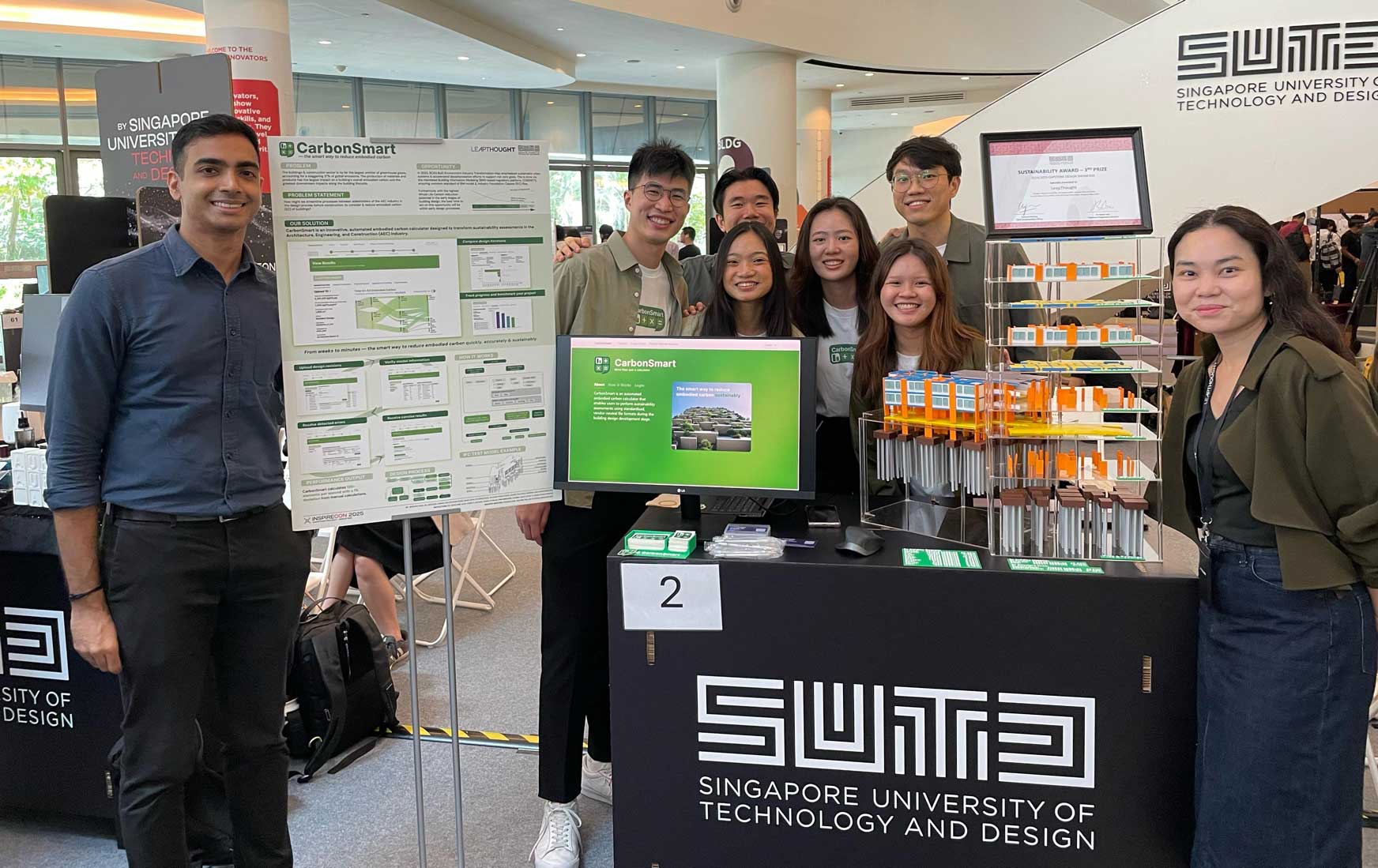
Figure 3: CarbonSmart team at InspireCon 2025
CarbonSmart was selected as one of 22 global finallists, representing not just SUTD but Singapore at the buildingSMART International Summit in Berlin. The competition gave the team invaluable exposure to diverse workflows, use cases, and perspectives on building practice all over the world. Most importantly, it solidified their belief that Singapore can play a leading role in shaping how the global built environment addresses decarbonisation through open standards and data-driven design, via CarbonSmart and FulcrumHQ.
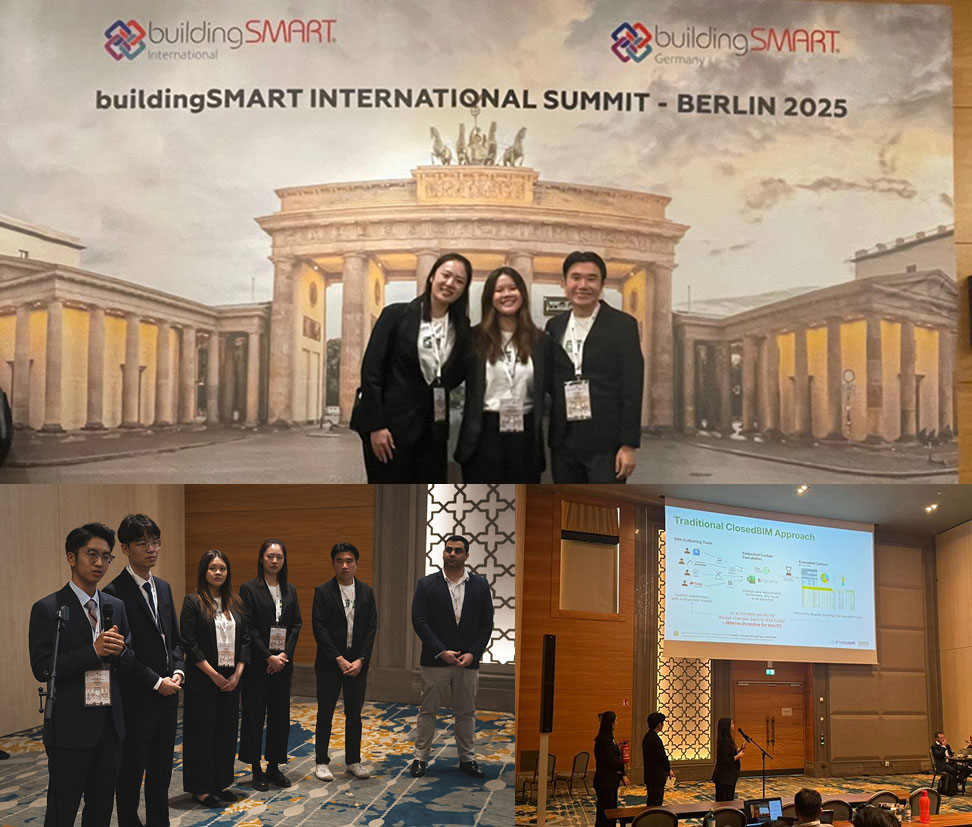
Figure 4: CarbonSmart team at openBIM Awards 2025
The bigger picture: Why donor support matters
Although the CarbonSmart project has been fully handed over to LeapThought for further evaluation, and the student team has since moved on to further studies and professional roles, the impact of their journey continues. In the short term, the students focused on consolidating CarbonSmart into a usable, testable package: cleaning up the codebase, strengthening documentation, and preparing a version that LeapThought can review in its own ecosystem to assess real-world potential. Looking ahead, they see this experience as a foundation and a bridge between academia and practice that will shape how they speak about openBIM, data-driven workflows, and early-stage sustainable design in their careers.
For partners who care about sustainability in the built environment, CarbonSmart clearly shows what happens when student ambition connects with the right expertise. While this student team advanced their capstone project through their own initiative and an industry collaboration with LeapThought, their journey to the openBIM Awards stage in Berlin shows how structured support, whether funding or mentorship, can help many more student innovators turn promising ideas into practical tools for a more sustainable built environment.
As SUTD looks ahead to the ASD Class of 2026 Bachelor’s and Master’s Graduation Showcase at Millenia Walk, there will be many more chances for students to present innovative, sustainable architectural work to the public. For donors and partners, every gift fuels the next breakthrough. In empowering students like the CarbonSmart team, donors are not just supporting education; they are investing in a smarter, greener future that these young designers are already beginning to build.