Human creativity in the age of AI
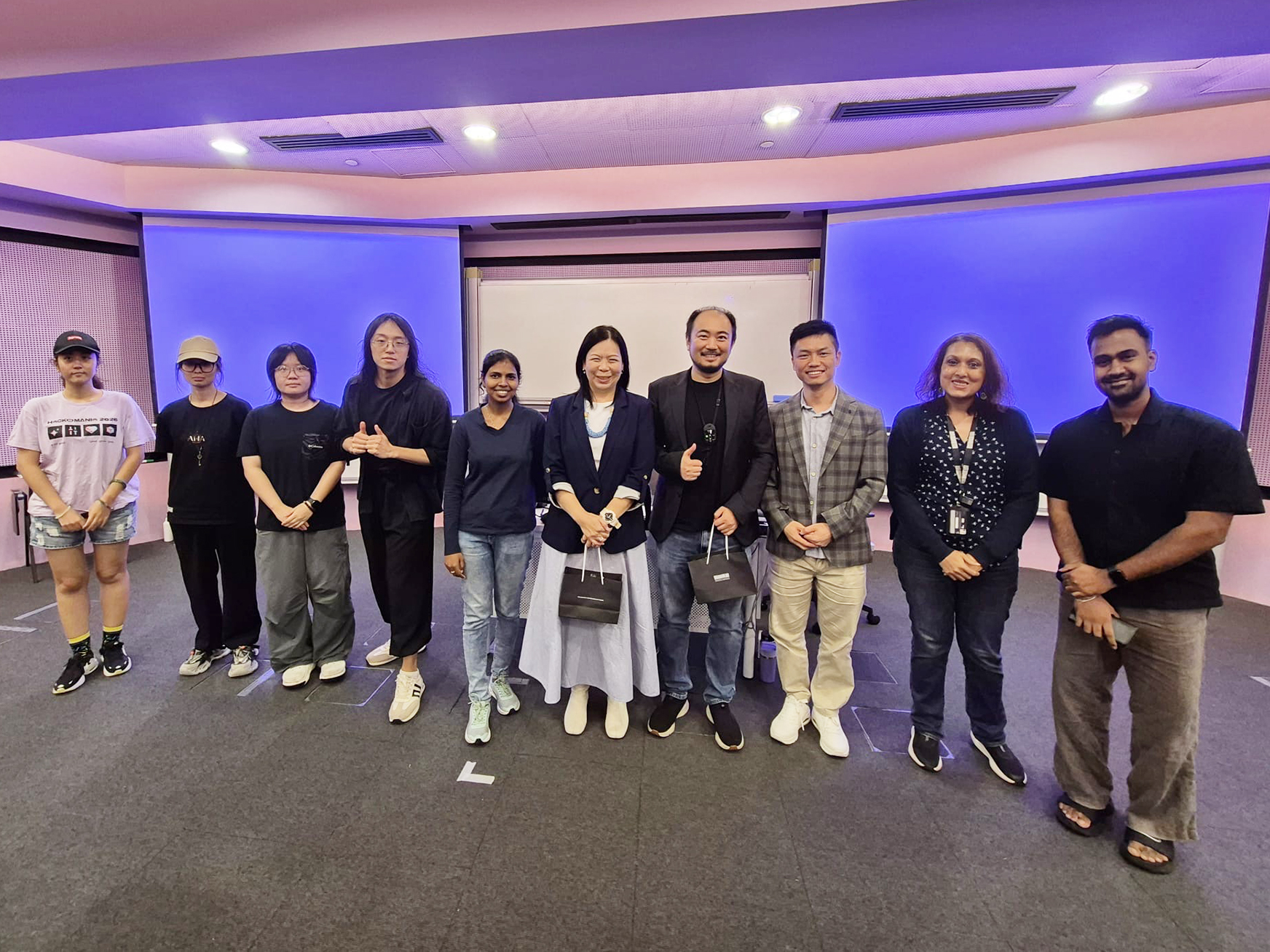
The Master of Science in Technology and Design (Human-Centred Design) programme recently hosted a “Dialogues with Leaders” session on the future of creative production. It was a privilege to feature two experts who are redefining the intersection of human-centred design and AI.
AI Didn’t Direct Itself: Human-Centred Design in the Age of Generative AI Production
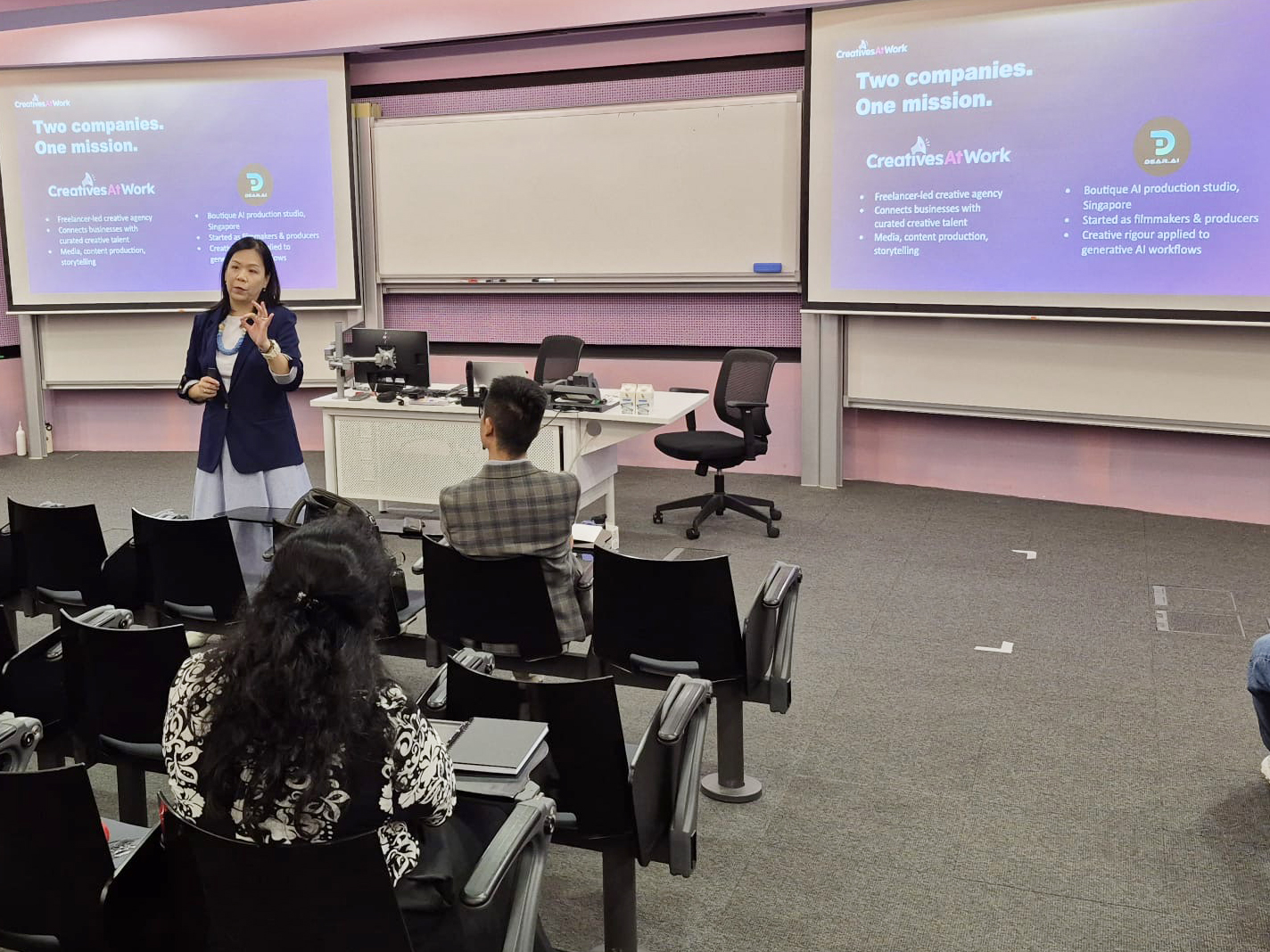
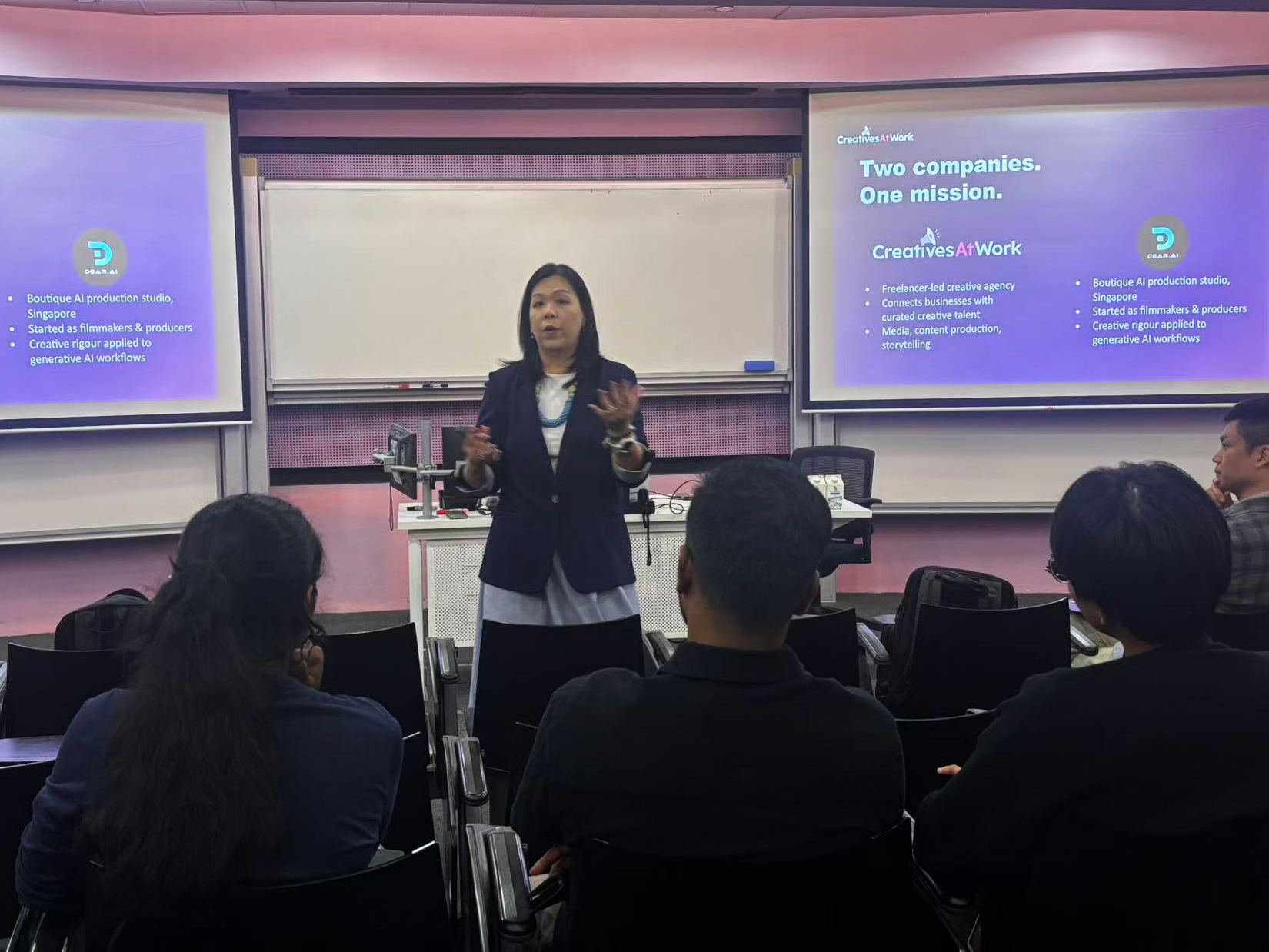
Jayce Tham (co-founder of CreativesAtWork & DEAR.AI)
Jayce shared how her team bridges the gap between generative AI and human-centred creative production. Drawing on real projects with Mediacorp — from a photorealistic car crash sequence to a full AI animation for SCTV’s Somat, to visual content for the Star Awards — she demonstrated that AI can deliver broadcast-standard results without losing the rigour of a properly directed production. Central to her sharing was the idea that great AI production follows the same human-centred design process as any creative work: empathising with the audience, prototyping through demos, and testing every output against real human response. For Jayce and her team at DEAR.AI and CreativesAtWork, the client experience remains a true production process — one where human judgment, not prompting, determines whether the work succeeds.
Agentic Creativity: The Future of Human Creativity in the Agentic Era
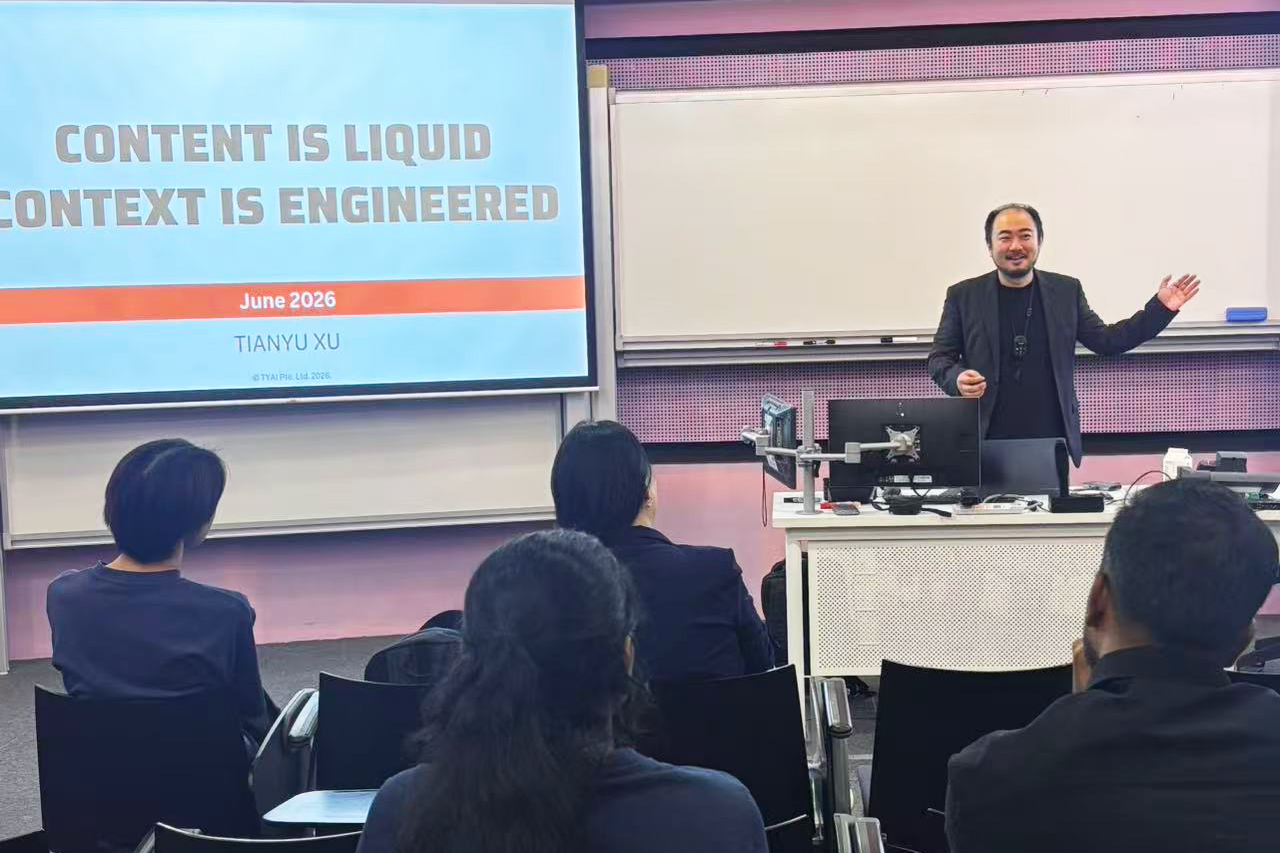
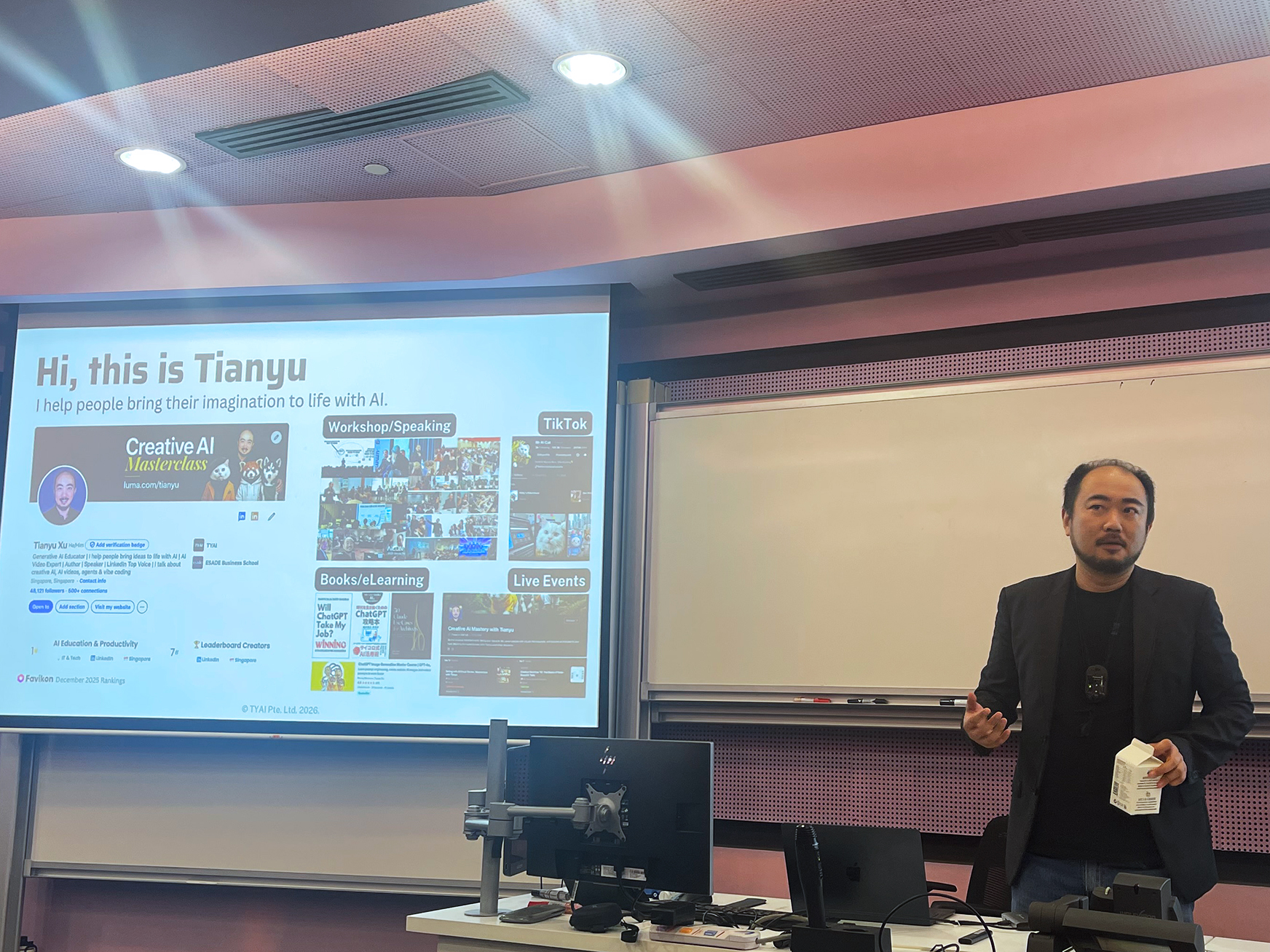
Xu Tianyu (Creative AI educator, LinkedIn Top Voice, AI video expert)
Xu highlighted the shift toward the “agentic era”. He emphasised that while “content is liquid,” true value now lies in how we architect and engineer context. He showcased a model of combining 20 hours of human “raw ingredients” with 200 hours of AI-augmented work to produce high-level professional results.
Tianyu also demonstrated how to leverage existing reference materials to rapidly generate student recruitment and marketing collateral, clearly proving the powerful potential of AI in driving highly efficient content production.
Key takeaways
- Designers must focus on creating better systems around AI, not just using the tools.
- Human rigour remains the final arbiter of creative quality.
- Every stage of the production workflow should map to core design principles like empathy and iterative testing.
The Dialogues with Leaders series is an initiative to strengthen connections between the Human-Centred Design Master’s program and industry, in hoping to enrich student learning through first-hand professional perspectives. We are welcoming more distinguished guests to SUTD in future sessions.