
Fungal-like adhesive materials
Technology title
Fungal-like adhesive materials
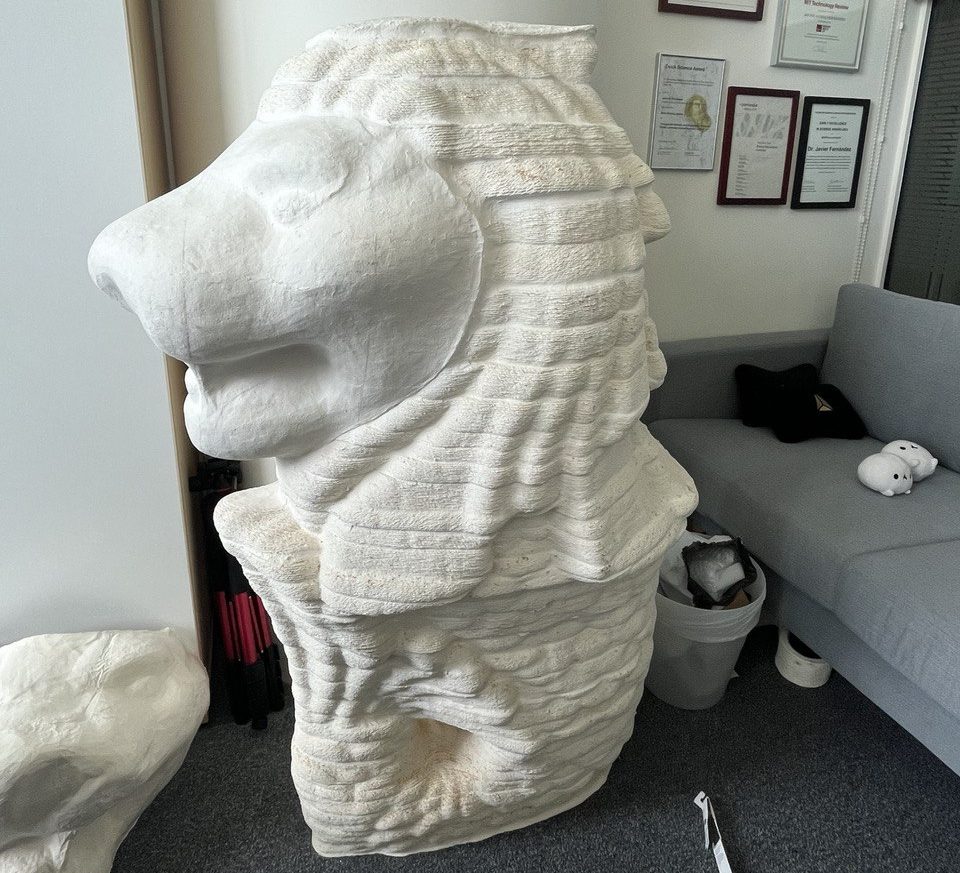
Technology overview
Fungal-like Adhesive Materials (FLAM) represent an innovative family of materials inspired by the cell walls of fungus-like oomycetes. FLAMs are engineered by organising the two most abundant and widely available natural molecules in their native configuration, resulting in a material that is lightweight, durable, and highly cost-effective. This groundbreaking composite is fully biodegradable, eliminating the need for organic solvents or synthetic materials, making it an eco-friendly alternative. FLAM can be locally produced as part of natural ecological cycles, contributing to sustainable manufacturing and ensuring long-term resource security for industries. In addition to its sustainability benefits, FLAM’s versatility allows it to be easily molded or processed with traditional manufacturing techniques, opening the door to a wide range of applications across various industries.
Technology specifications
- Good strength-to-weight ratio: Inspired by the cell walls of fungus-like oomycetes, combining cellulose and chitin to create a lightweight yet strong material.
- Biodegradable: A fully biodegradable composite with no synthetic additives.
- Non-toxic: The addition of small amounts of chitinous molecules enables the use of cellulose without any chemical modification and without the use of harmful solvents.
- Easy processing: Compatible with woodworking machinery and traditional manufacturing methods.
Sector
Materials – Bio Materials
Market opportunity
The technology presents a strong market opportunity as a sustainable and cost-effective alternative to wood and synthetic composites. It enables large-scale 3D printing of natural, biodegradable materials at up to ten times lower cost than conventional methods.
Applications
FLAM can replace the use of wood in most applications, including furniture, architectural components, general and food packaging, daily household items, and even large industrial parts such as windmill blades and impact resistors.
Customer benefits
- Eco-friendly: Non-toxic, biodegradable material.
- Lightweight and strong: Able to replace wood and plastic material in most applications.
- Cost-effective: Comparable to high density polyurethane foam.
Technology readiness level
TRL 7
Ideal collaboration partner
Collaboration in test-bedding.
Collaboration mode
We are happy to provide R&D collaboration as required by the potential customers.