News
Singapore's Balancing Act – Trade-offs of a Global City-state
In this CNA documentary, Prof Cheong Koon Hean (Chairmain, Lee Kuan Yew Centre for Innovative Cities) shared how Singapore optimises land use and balances competing needs while creating a quality living environment using the example of the new Bidadari Town.
Birthday, a new beginning
Professor Yow Wei Quin’s commentary on birthdays and how it affects different people.
MRT, LRT ridership surpasses pre-Covid-19 levels for first time in 2024
Straits Times published an article on the ridership figures of public transportation released by the Land Transport Authority. LKYCIC’s Dr Samuel Chng was quoted in the article.
Signs of social cohesion coming under strain in Singapore: IPS director
Straits Times covered the Institute of Policy Studies’ annual Singapore Perspectives conference. LKYCIC’s Prof Chan Heng Chee, who was moderating the panel discussion, mentioned SUTD as one of the local universities that teaches critical thinking.
Want to be healthy? Start singing!
Professor Yow Wei Quin continues her commentary on how singing can help improve mental well-being, boost cognitive function, and promote social connections among the elderly.
Chan Heng Chee – Lessons from a City-State on Trust, Tech, and Resilience
The Century of Cities podcast features Prof Chan Heng Chee (LKYCIC), who shared lessons from Singapore on trust, technology and resilience.
Former HDB chief Cheong Koon Hean joins Surbana Jurong’s board
Professor Cheong Koon Hean (Chair, LKYCIC) has been appointed as a board member of Surbana Jurong Group (SJ). She was previously chief executive of the Housing and Development Board from 2010 to 2020
Singapore water polo player Heather Lee quits job for World Aquatics scholarship with Greek club
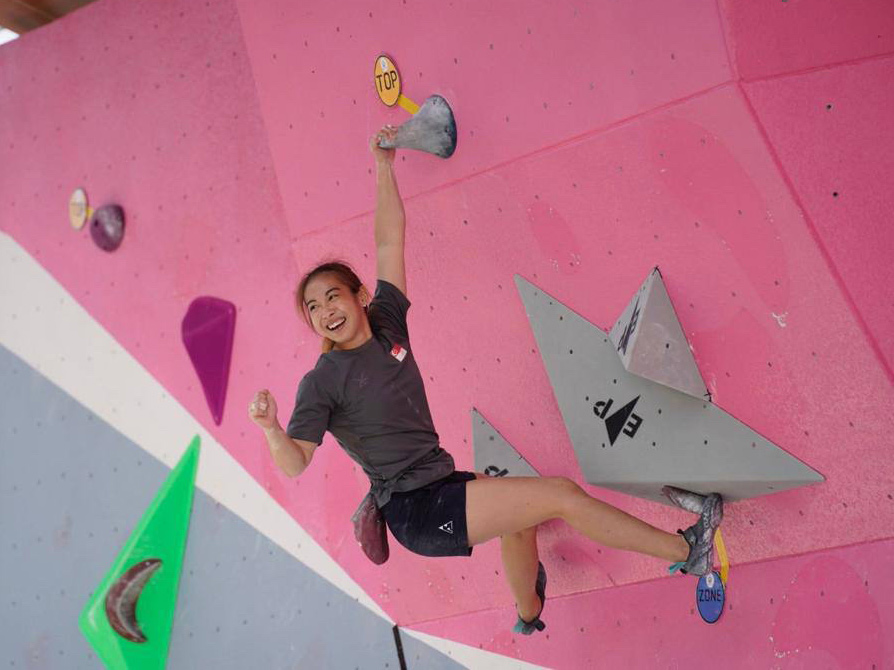
An SUTD ESD alumna, Singapore water polo player Heather Lee has been selected for the World Aquatics scholarship programme with Greek club ANC Glyfada.
This AI Paper from NVIDIA and SUTD Singapore Introduces TANGOFLUX and CRPO: Efficient and High-Quality Text-to-Audio Generation with Flow Matching
Researchers from SUTD and NVIDIA introduces TANGOFLUX, an advanced text-to-audio generation model that is is designed for efficiency and high-quality output, achieving significant improvements over previous methods.
Southeast Asia voters grapple with explosion of AI images
Assistant Prof Roy Lee was quoted in this article which shines a spotlight of how AI, social media, and electoral politics have become enmeshed.