
Designing human-AI communications for observability, predictability, and (re)directability
Recent advances in so-called AI have endowed machines with human-like abilities to reason and plan. Understandably, we are granting them autonomy and the unsupervised authority to act on our behalf. In my talk, I will share previous and ongoing research on how we have focused on designing interfaces for supporting communications and mutual awareness between human operators and automated systems. Examples range from automation and notification design in automated vehicles, the supervision of aerial robot swarms, assembly work, and language learning. In addition, I will present work that demonstrates how AI can augment human abilities and, in particular, enable individuals with impairments in otherwise inaccessible environments.
Speaker’s profile
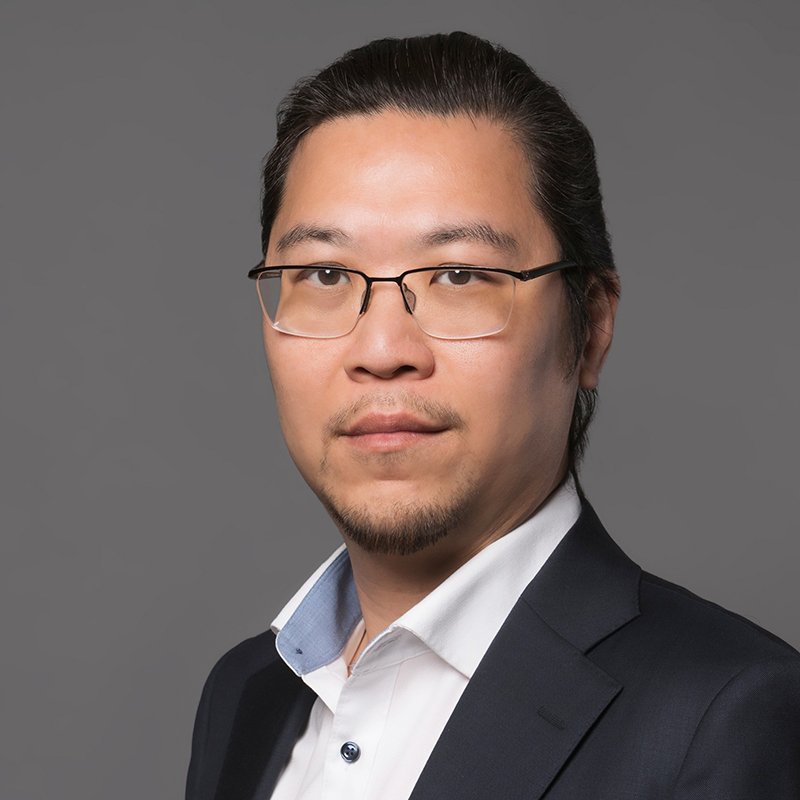
Lewis Chuang
Professor
Chemnitz University of Technology, Germany
Lewis Chuang is the full professor for Humans and Technology at the Chemnitz University of Technology, Germany. He participates actively in industry, national and EU projects on critical safety and mobility (e.g., Roll-I, SHAPE-IT, and myCopter). Prior to his current appointment, he lectured at the School of Computing, LMU Munich and lead a research group at the Max Planck Institute for Biological Cybernetics, Tübingen. He received his PhD in neuroscience from the Eberhard Karl University of Tübingen in 2011. In 2018, he co-founded the section for Engineering Psychology within the German Society for Psychology and serves on the editorial boards of several multidisciplinary journals, including the International Journal for Human-Computer Studies. His active research interests in Human-Computer Interaction include: attention and interruption management, digital learning and literacy, and assistive technology. His expert methods include: psychophysics, psychophysiology, and interaction design. More info: https://mytuc.org/pymd.