
Master of Science in Technology and Design (Architectural Design Computation)
Master of Science in Technology and Design (Architectural Design Computation)
About programme
The Master of Science in Technology and Design (Architectural Design Computation) programme is a forward-looking programme designed for graduates and professionals seeking to advance your technological expertise in the built environment. It provides an unparalleled opportunity to specialise in technology-driven roles in the architecture, engineering, and construction (AEC) industry.
Building on SUTD’s renowned design computing curriculum, this programme integrates cutting-edge topics and industry-relevant challenges to equip students with the skills needed to excel in the evolving AEC sectors. Students will gain hands-on expertise in key areas such as computational design, digital fabrication, digital design delivery, and creative artificial intelligence. Through immersive learning experiences, you will master advanced computational techniques, explore innovative fabrication technologies, and develop a deep understanding of digital project delivery and AI-driven design solutions. This practical, technology-focused approach ensures that graduates are not only prepared to meet current industry demands but are also positioned to drive future innovation in the built environment.
The final term is dedicated to a Design Technology Project that directly addresses current industry challenges, while offering opportunities for students to interact with thought leaders from both academia and industry through engaging seminar. With a focus on both theoretical foundations and practical skills, this programme equips students with the computational design expertise needed to drive transformation in the built environment.
Message from the academic programme director
Over the past two decades, technology has profoundly reshaped the building industry. From digital modelling and parametric design to automation, data analytics, and artificial intelligence, new tools are transforming how we conceive, construct, and manage the built environment. Yet digital adoption across the broader industry remains lagging. This reveals the need for leaders who can bridge design, engineering, and technological innovation.
The Master of Science in Technology and Design (Architectural Design Computation) programme is designed to address this gap. Our objective is to nurture the next generation of design technology leaders to accelerate the transformation. Our graduates will not only master advanced tools, but will also deploy them strategically to drive innovation, productivity and sustainable change.
The programme combines both strong technical foundations with application-oriented, hands-on learning. Whether you seek to deepen your technical mastery, transition into innovation-focused roles, or lead digital strategy within your organisation, this programme offers a platform for purposeful growth.
We welcome architects, engineers, construction professionals, and graduates from related disciplines who are motivated to expand their expertise and future-proof their careers.
The building industry stands at a pivotal moment. Those who integrate design intelligence with technological fluency will shape its next chapter. We invite you to join us in redefining what is possible in technology-enabled design.
We look forward to welcoming you to SUTD.
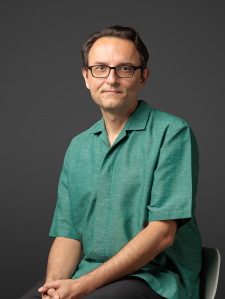
Associate Professor Stylianos Dritsas
Associate Head of Pillar (Education), Architecture and Sustainable Design