


Blog
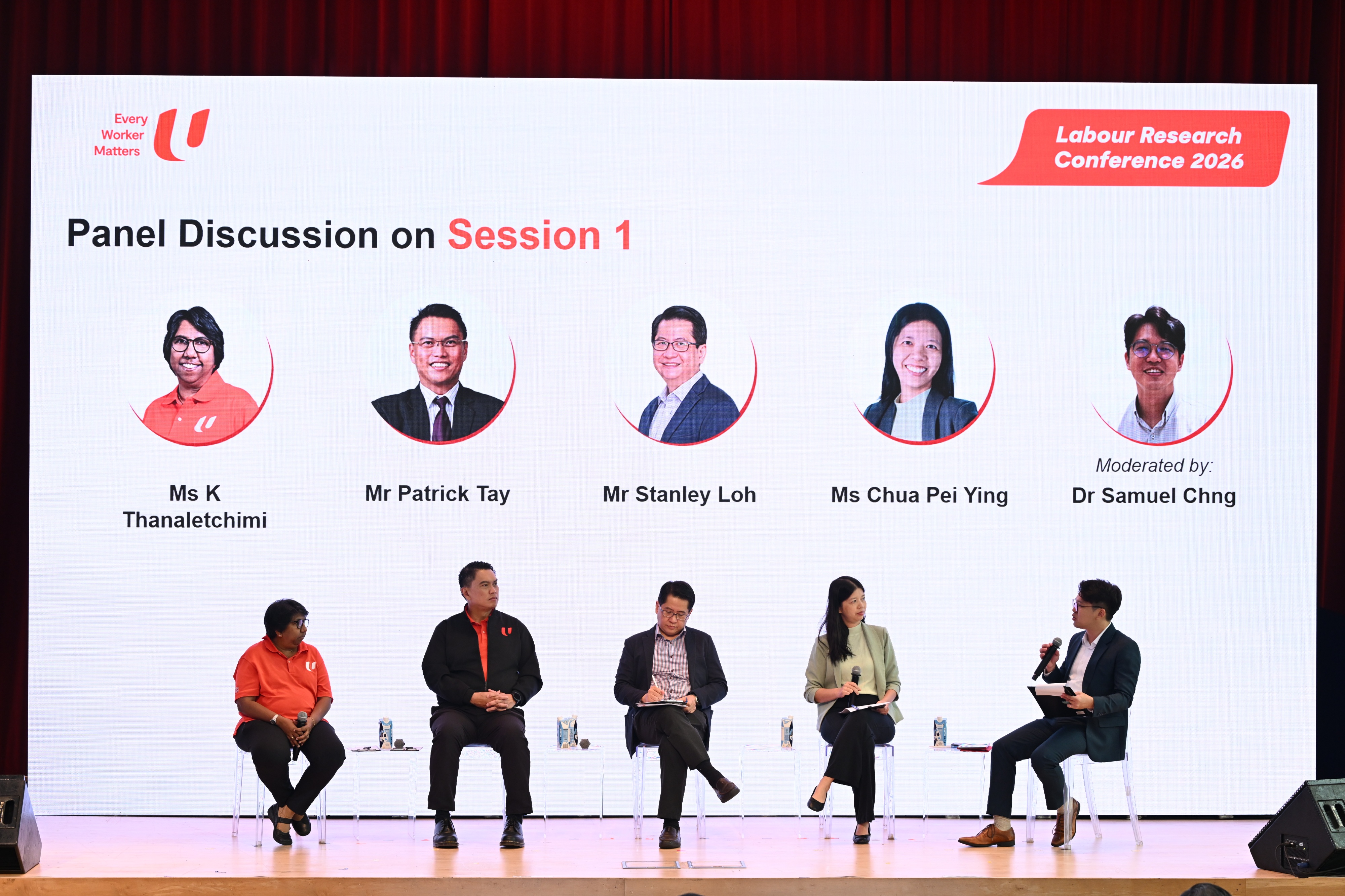
LKYCIC at the NTUC Labour Research Conference 2026
On 1 October 2026, researchers from the Lee Kuan Yew Centre for Innovative Cities (LKYCIC) participated in the sixth NTUC Labour Research Conference, themed Today’s Hopes, Tomorrow’s Possibilities. The conference brought together policymakers, academics, union leaders and industry practitioners to examine emerging issues shaping the future of work and how workers can be supported through technological and workplace transitions.
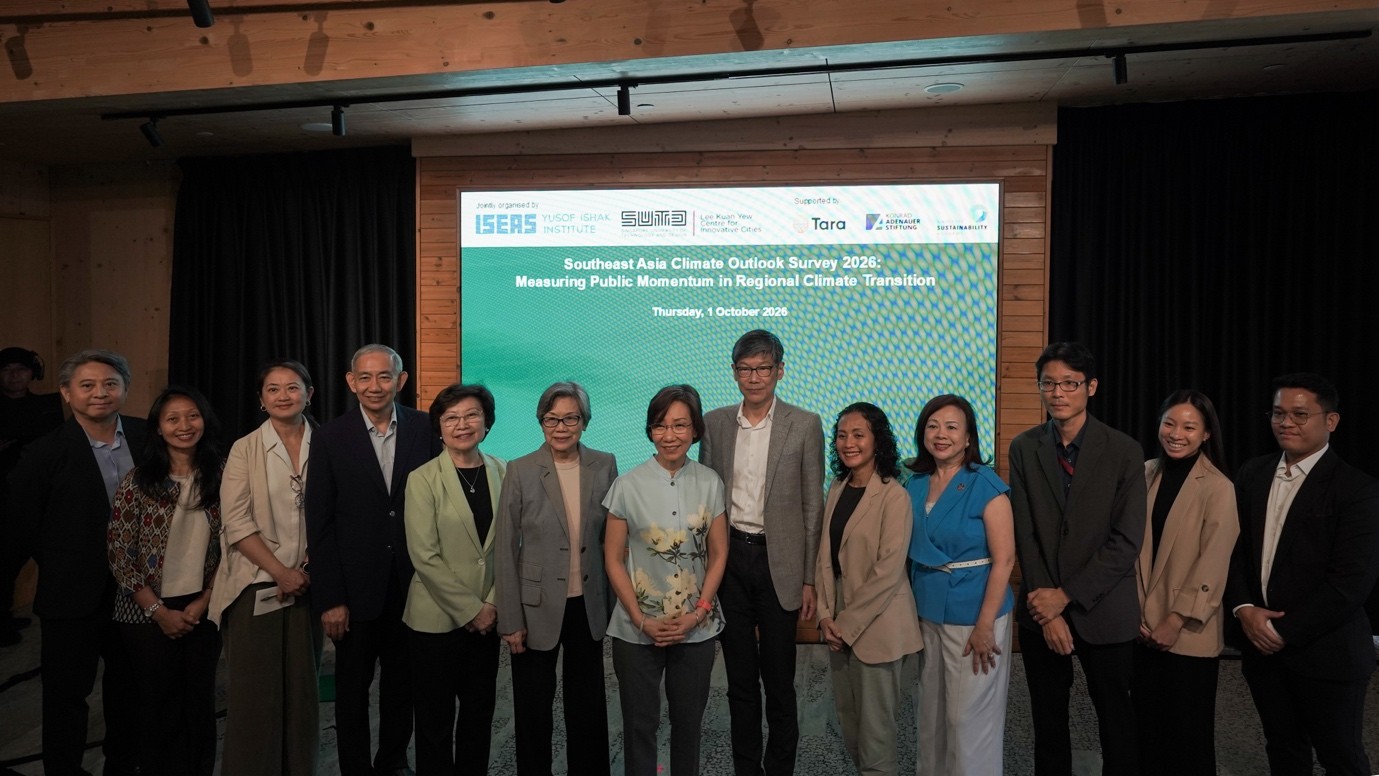
LKYCIC and ISEAS Launches Sixth Southeast Asia Climate Outlook Survey Report
On 1 October 2026, the Lee Kuan Yew Centre for Innovative Cities (LKYCIC) and the ISEAS-Yusof Ishak Institute (ISEAS) co-organised an event titled “Measuring Public Momentum in Regional Climate Transition” to launch the sixth Southeast Asia Climate Outlook Survey Report.
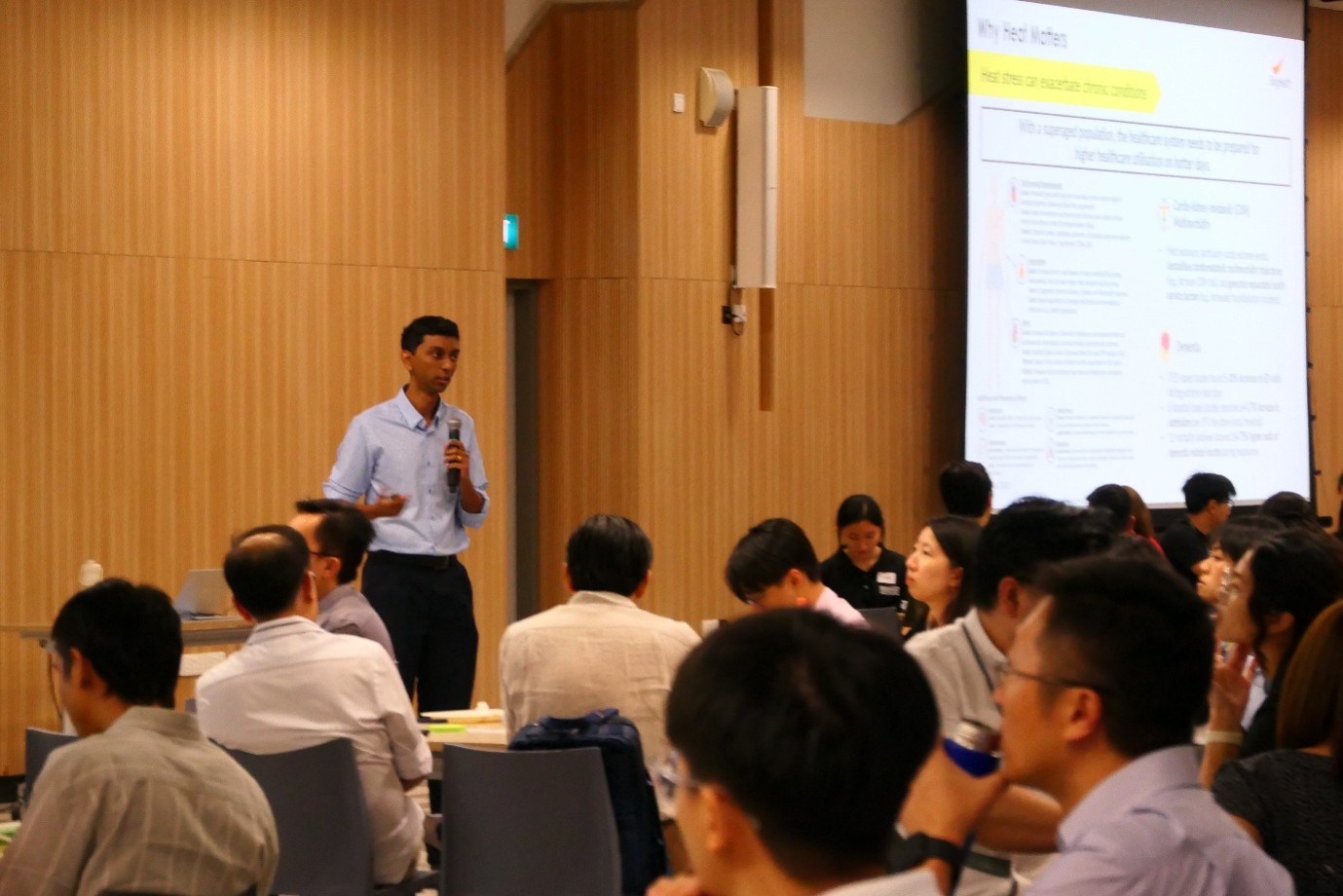
Climate Resilience Learning Journey
The event was held in collaboration with the National Climate Change Secretariat (NCCS), bringing together over 100 participants from public service agencies to learn about current heat resilience research.
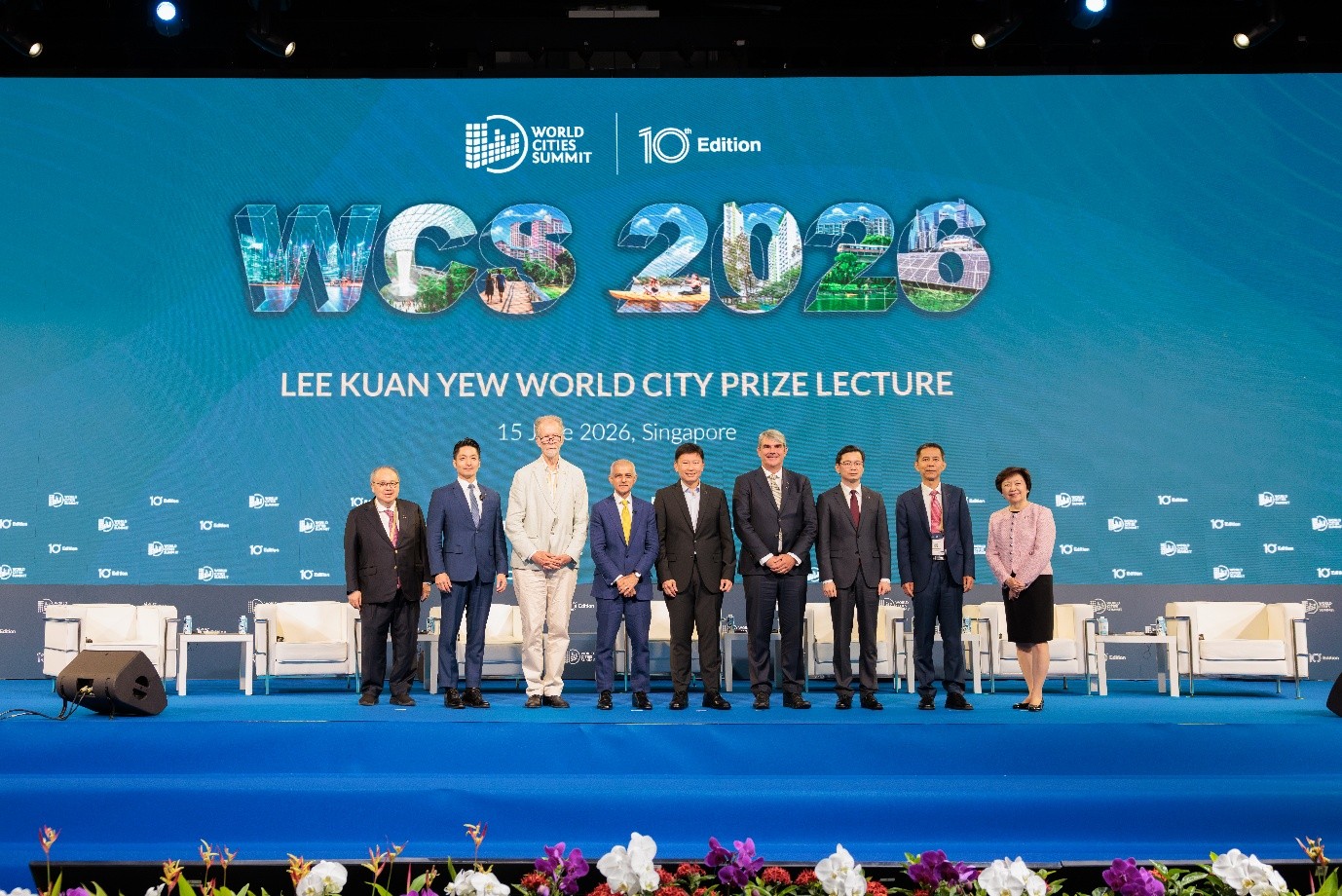
From Global Leadership to Collective Action: LKYCIC at the Forefront of Urban Dialogue at World Cities Summit 2026
At the World Cities Summit 2026, the Lee Kuan Yew Centre for Innovative Cities (LKYCIC), Singapore University of Technology and Design (SUTD) contributed to discussions examining how cities are responding to these shared urban challenges.
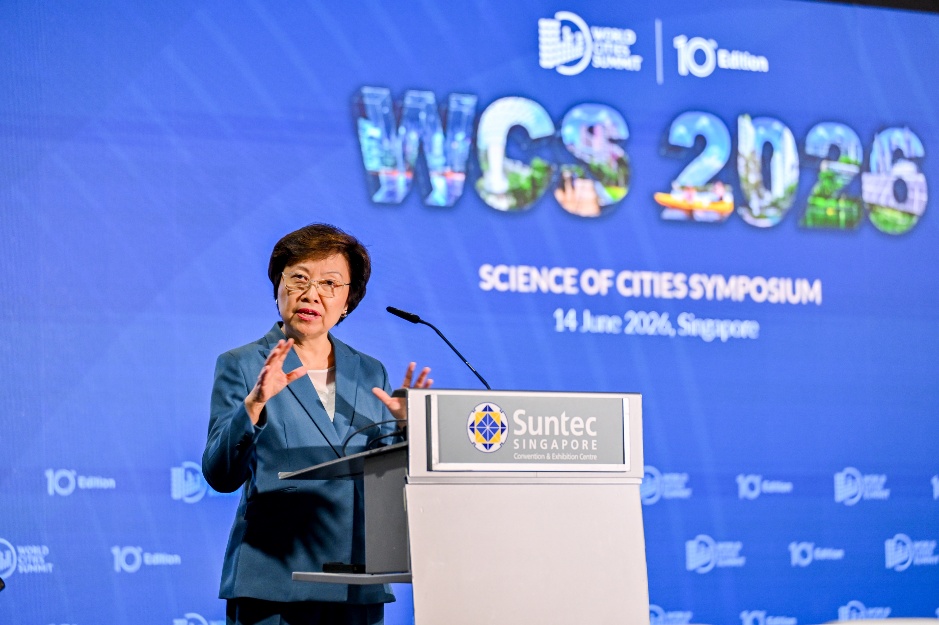
LKYCIC Showcases Research on Responsive Cities at the Science of Cities Symposium 2026
Researchers from the Lee Kuan Yew Centre for Innovative Cities (LKYCIC) contributed to the Science of Cities Symposium (SOCS) at the World Cities Summit (WCS) 2026, sharing research and insights on how cities can become more responsive, resilient, and people-centred.
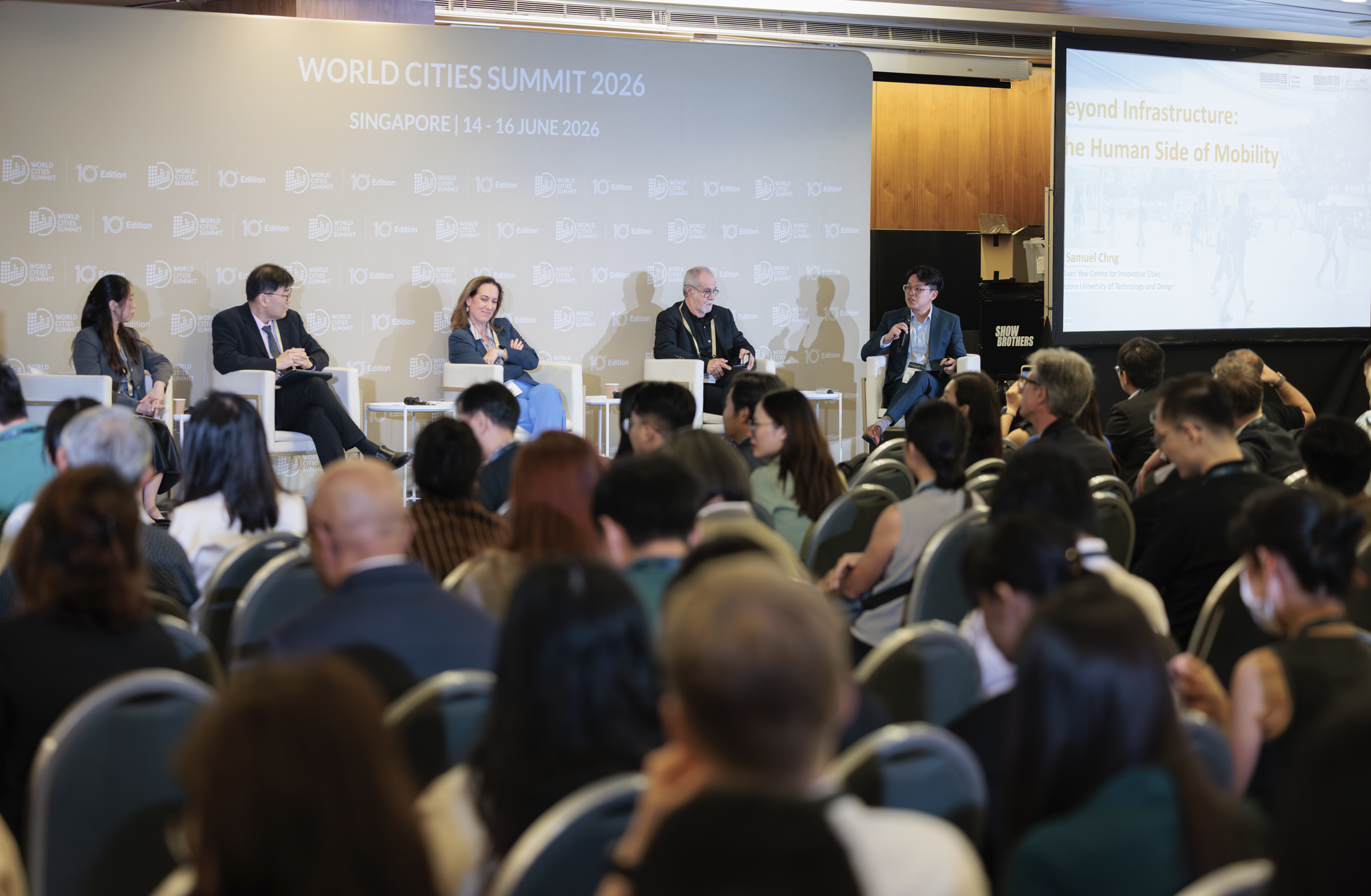
From Mobility to Regeneration: LKYCIC Researchers Share Insights at World Cities Summit 2026
At the World Cities Summit (WCS) 2026, researchers from LKYCIC and the SUTD’s Architecture and Sustainable Design pillar explored this question through presentations on mobility, health, and regenerative urban development. Across three sessions, they highlighted a common message: creating better cities requires looking beyond infrastructure and efficiency to focus on people’s everyday experiences, wellbeing, and social connections.
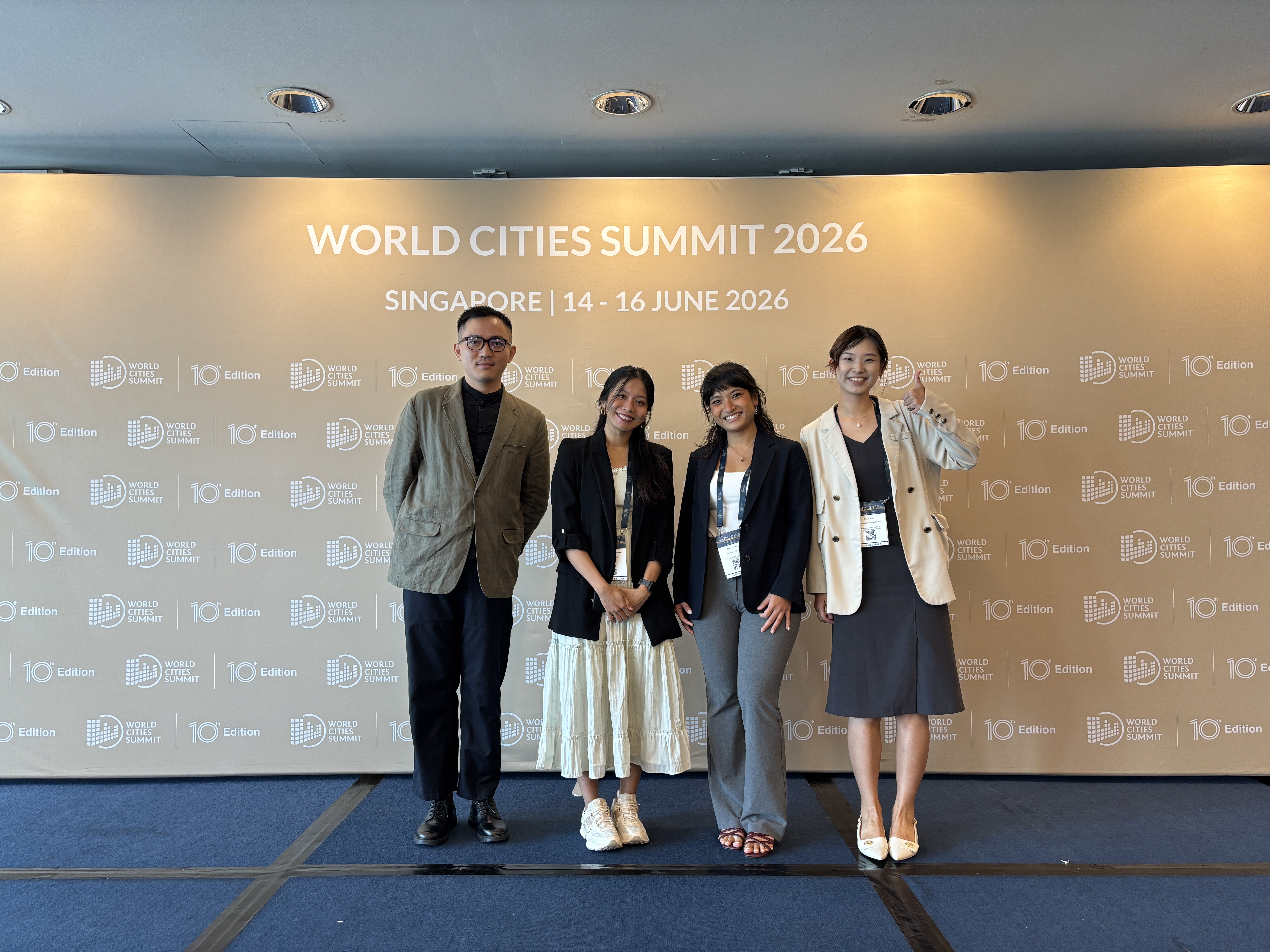
LKYCIC Young Leaders Join Global Dialogue on the Future of Cities at WCS 2026
Five researchers from the Lee Kuan Yew Centre for Innovative Cities (LKYCIC) were selected to participate in the World Cities Summit (WCS) Young Leaders Programme 2026, joining a global network of emerging urban leaders committed to shaping more resilient, inclusive, and sustainable cities.
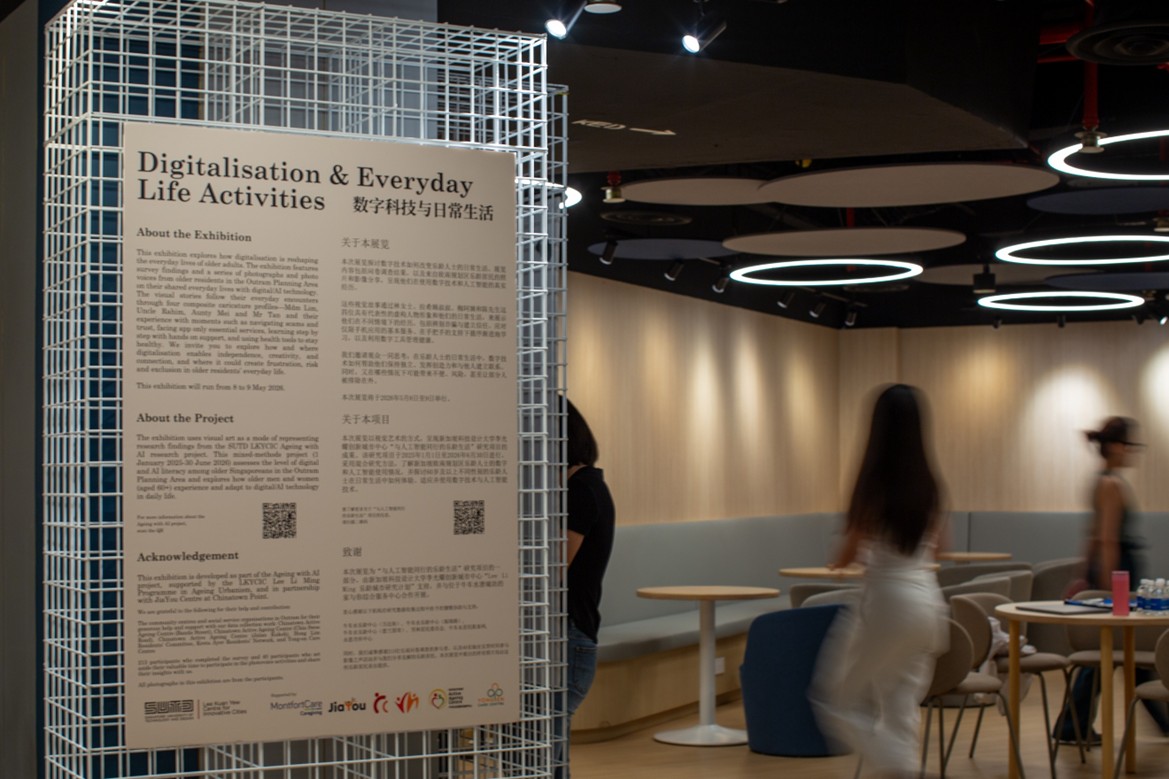
Digitalisation and Everyday Life Activities: Ageing with AI Exhibition
How is digitalisation reshaping the everyday lives of older adults? This question drove the exhibition Digitalisation and Everyday Life Activities, held on 8 and 9 May 2026 at Chinatown Point’s JiaYou Centre.

CoHabit: Eco-social artmaking for sustainable human-nature co-existence
How do we live alongside nature—not as distant observers, but as co-inhabitants sharing space, resources, and daily encounters?
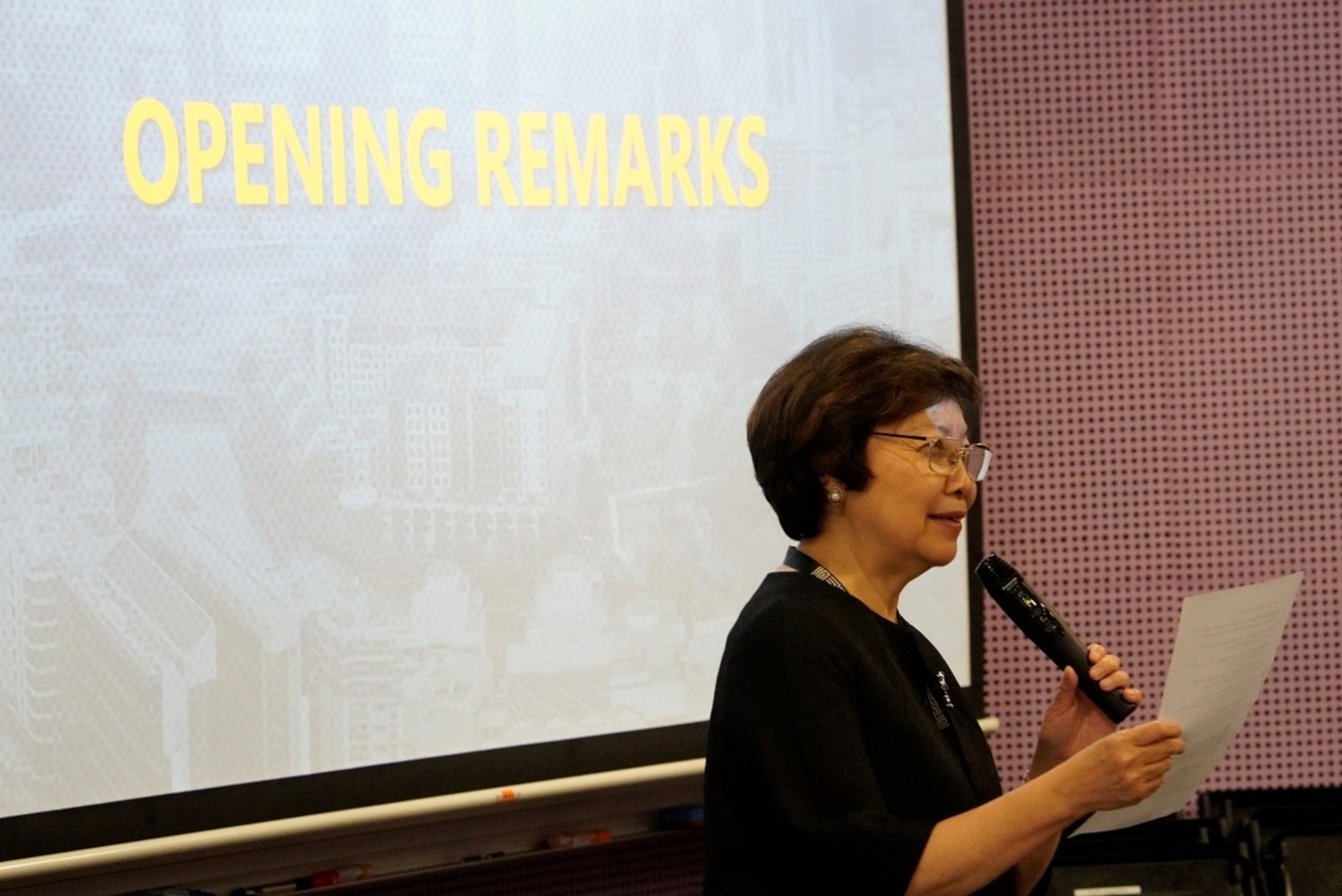
Urban Resilience in 3 Acts: A Collaborative Showcase of Research from LKYCIC
As part of Ideas Festival 2026 supported by the Social Science Research Council (SSRC), LKYCIC organised a seminar on 13 March looking at Singapore’s urban resilience from three interconnected lenses.